What to Do and See in the Okavango Delta?
Picture a river that runs for 1,700 kilometres, then simply stops. No sea, no coastline. The Okavango flows from the mountains of Angola towards the southeast, spreads across a plain in northern Botswana, and eventually evaporates into the Kalahari air.
This is the Okavango Delta, one of the world’s largest inland deltas and possibly the strangest body of water on the African continent. In the middle of a desert lies a wetland, and that wetland is home to pretty much everything you could hope to see on safari.
Top tips from our team
- Water levels are highest between June and August
- Moremi is the best area for wild dogs and leopards
- Combine a mokoro trip with a game drive on dry land
- Wear long clothing after sunset, as the delta is a malaria area
Where is the Okavango Delta?
The delta lies in northwestern Botswana, in the Ngamiland region, on the edge of the Kalahari. And that’s exactly what makes it so special. The land around it is bone-dry, but in the middle, the water reaches your knees.
Your trip starts in Maun. It’s often called Botswana’s tourism capital and makes a great base for exploring the Okavango Delta, Chobe National Park, the Makgadikgadi Pans or Moremi Game Reserve. You’ll hear all kinds of languages mixed together. On the way from the airport, goats simply wander across the road, and no one bats an eyelid.
From here, you have two options. Drive for a few hours to Moremi Game Reserve in your 4×4, with your tent on the roof. Or hop on a small plane and reach a camp deep in the delta within twenty minutes, on a tiny island accessible only by air. That’s your first highlight right there: before you’ve even landed, you’ll see the channels spreading out beneath you.
Water That Takes Six Months to Reach Its Destination
The water in the delta doesn't come from Botswana. It falls as rain in the highlands of Angola, sometime between December and February. Up there, the river is still called the Cubango. It flows downstream, becomes the Kavango in Namibia, and eventually enters northern Botswana as the Okavango. The journey takes months.
The result is a world turned upside down. Just when Botswana is at its driest, the river bursts its banks and fills the delta. July is a desert month with high water.
And the delta grows with it. Depending on the flood, the area ranges from around 6,000 to 15,000 square kilometres, meaning the delta nearly triples in size every year. What is a channel in May becomes a grass plain where antelope graze in November. So you'll never visit the same delta twice.
Our accommodation in the delta has to move regularly for the same reason. Nature doesn't wait for anyone. Because there's virtually no industry along the river, the water is so clean that you can drink it straight from the source.
Things to do in the Okavango Delta
The delta offers three completely different perspectives, and the best part is that you can combine them all in a single trip.
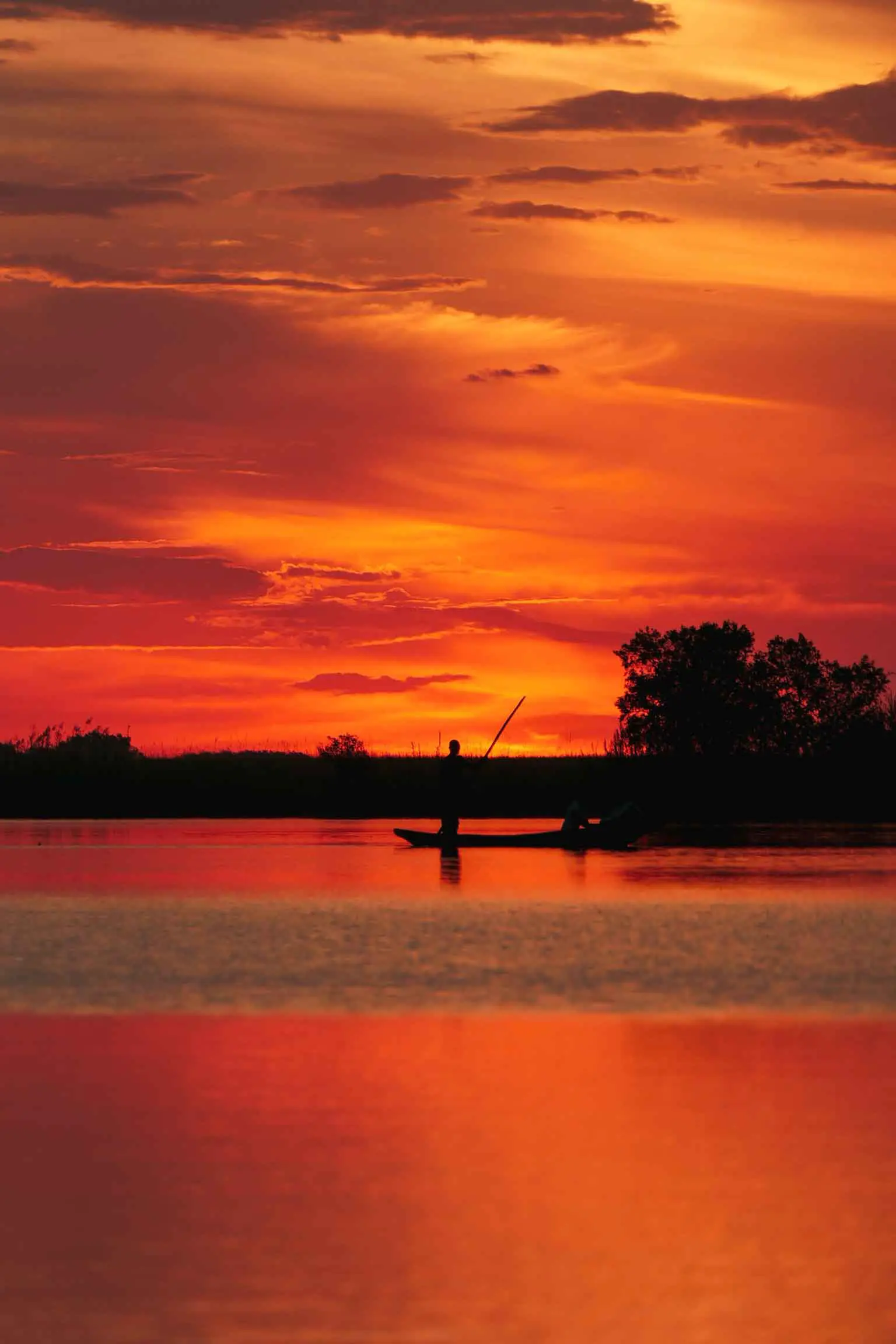
On the water, you’ll travel by mokoro or small motorboat. You’ll be at eye level with hippos, gliding through the reeds so quietly that the birds won’t even take flight.
On land, you’ll drive through Moremi in an open 4x4. You’ll go from dense woodland to open plains and sometimes straight through water that reaches halfway up the doors. This is where you’ll spot elephants, lions and wild dogs.
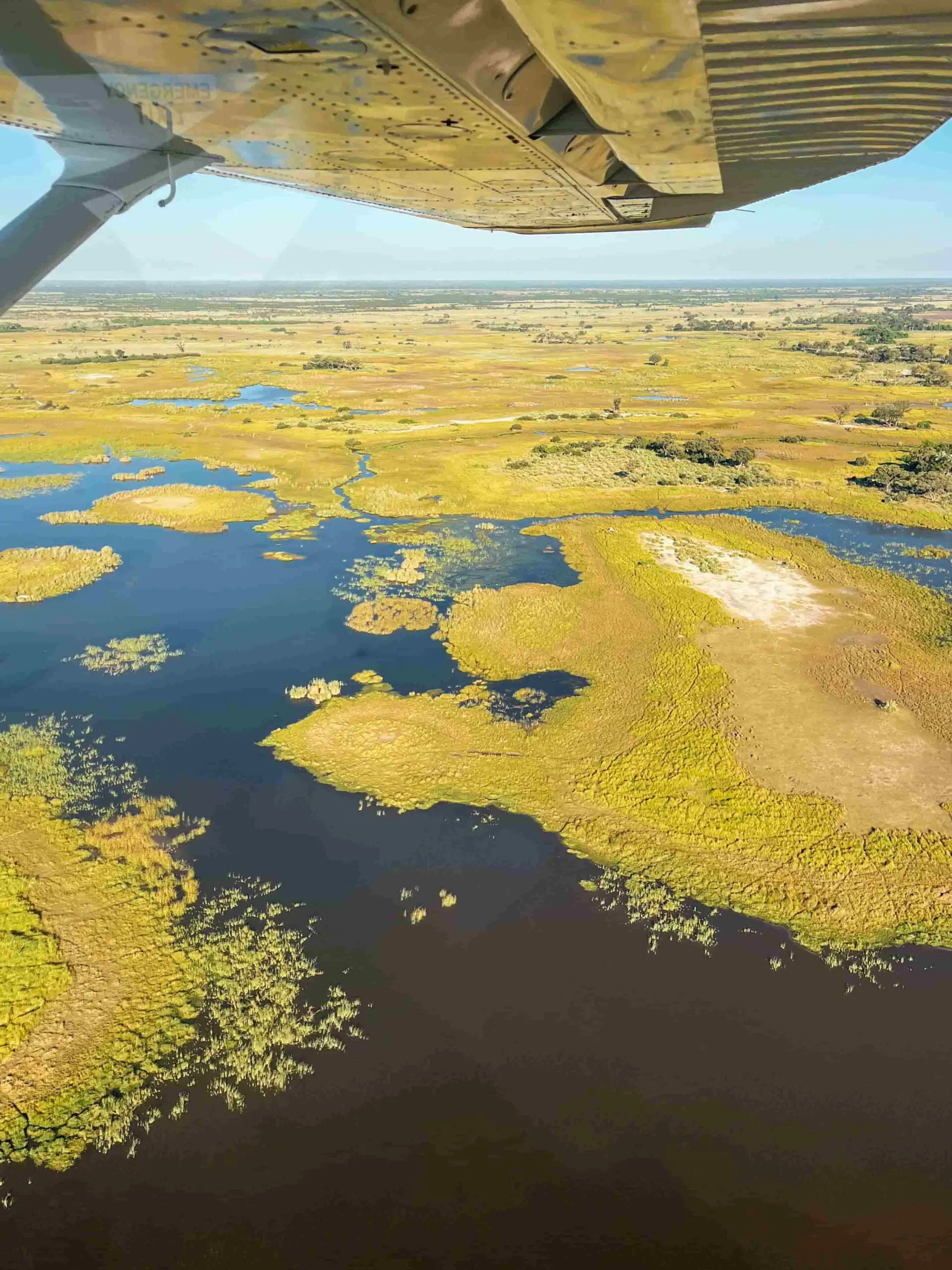
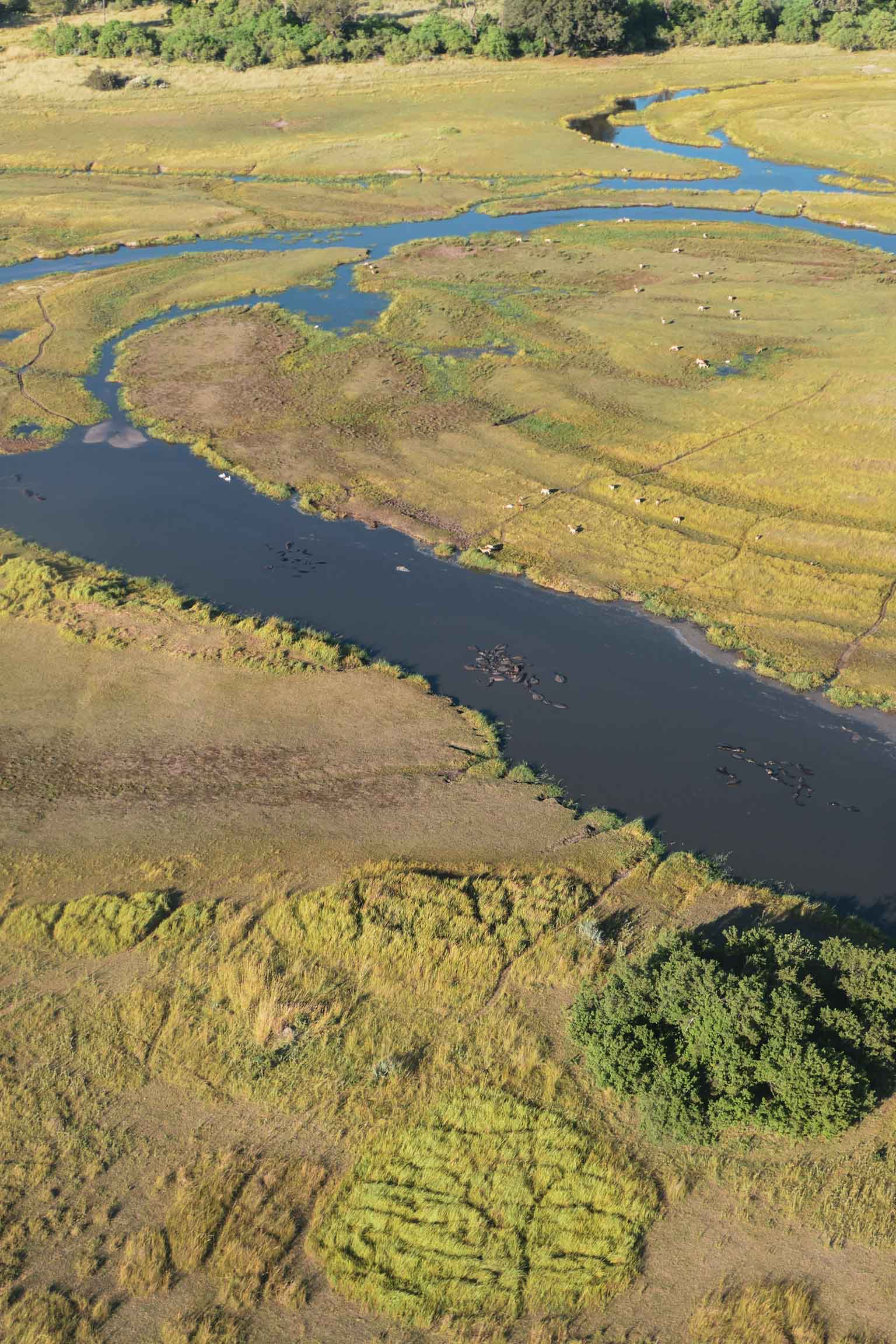
From the air, you’ll take a small plane from Maun. It’s only from above that you can see the full pattern of channels, lagoons and thousands of palm-covered islands, and understand how vast this area really is.
Each perspective gives you a different feeling for the same place. Experience all three and you’ll see the delta exactly as it was meant to be seen.
Also check out our adventure trips through Botswana to see how you can combine this with Chobe and the salt pans.
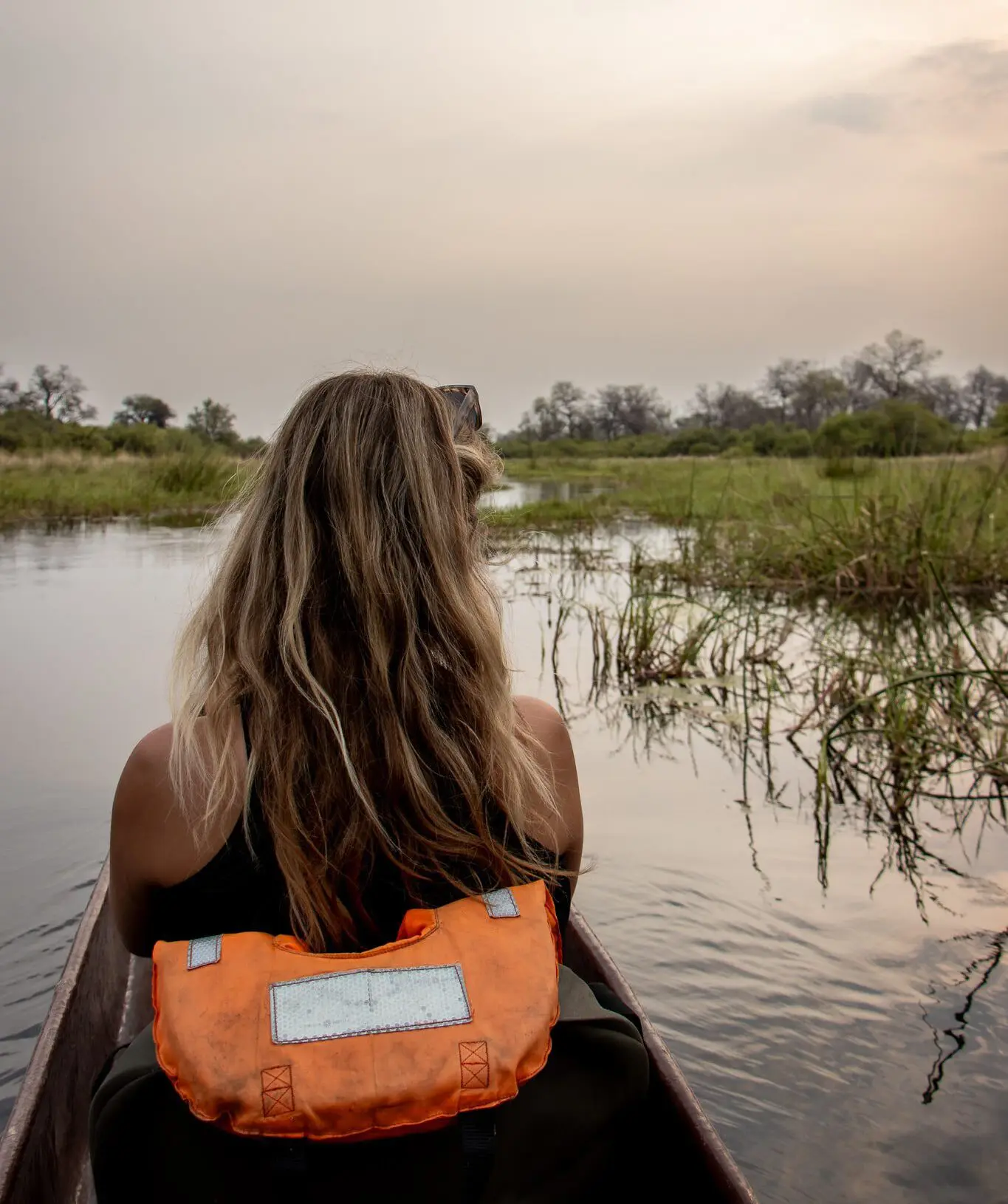
Gliding through the water lilies in a mokoro
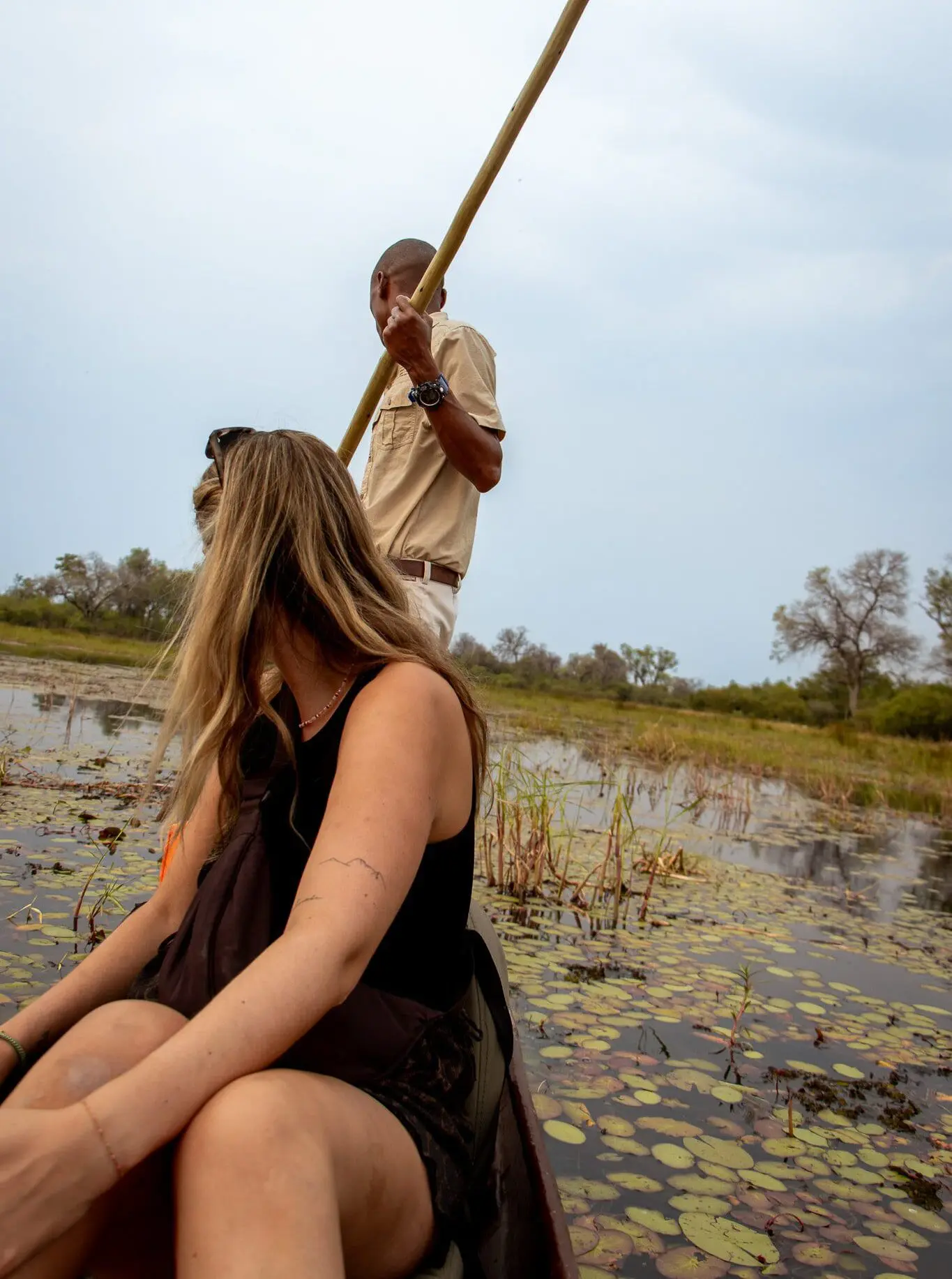
A mokoro is a long, narrow canoe that your guide propels with a pole from the back. Traditionally, it was hollowed out of a tree trunk, usually ebony or sausage tree wood. Today, most mokoros are made of fiberglass, so the delta’s old trees can remain standing. They move through the water in exactly the same way and last much longer.
You sit low. Very low. Your hips are roughly level with the water, so the reeds tower above you as you glide through green corridors barely wider than the boat itself.
It’s the sounds that stay with you. The gentle splash of the pole, frogs, a bird whose call you can’t place.
At some point, your guide pushes you into an open patch of water, with a water lily here and there among the reeds. Be sure to look down too: the water is so clear you can see the bottom, and tiny frogs the size of your thumbnail sit among the leaves.
On safari in Moremi Game Reserve
Moremi Game Reserve is the only officially protected part of the delta, covering around 5,000 square kilometres on its eastern side. It was established in 1963, following an initiative by the local Batawana, who were concerned about declining wildlife numbers. This was one of the first times in Africa that a community had protected its own land. The reserve is named after their leader, Chief Moremi III.
Only around 30 per cent of Moremi is dry land, with the rest lying within the delta itself. That means the landscape is constantly changing. One moment you're driving through woodland, and ten minutes later you're at the water's edge, with herons and fish eagles perched in the trees. The view never stays the same for long.
Chief’s Island is the largest island in the delta and is known for its high concentration of predators. Around Xakanaxa, you'll find lagoons that offer some of the best birdwatching. If you're driving yourself, you'll need a 4×4 with a high air intake and some experience driving through deep sand. That's exactly what makes the drive so much fun.
The delta from above
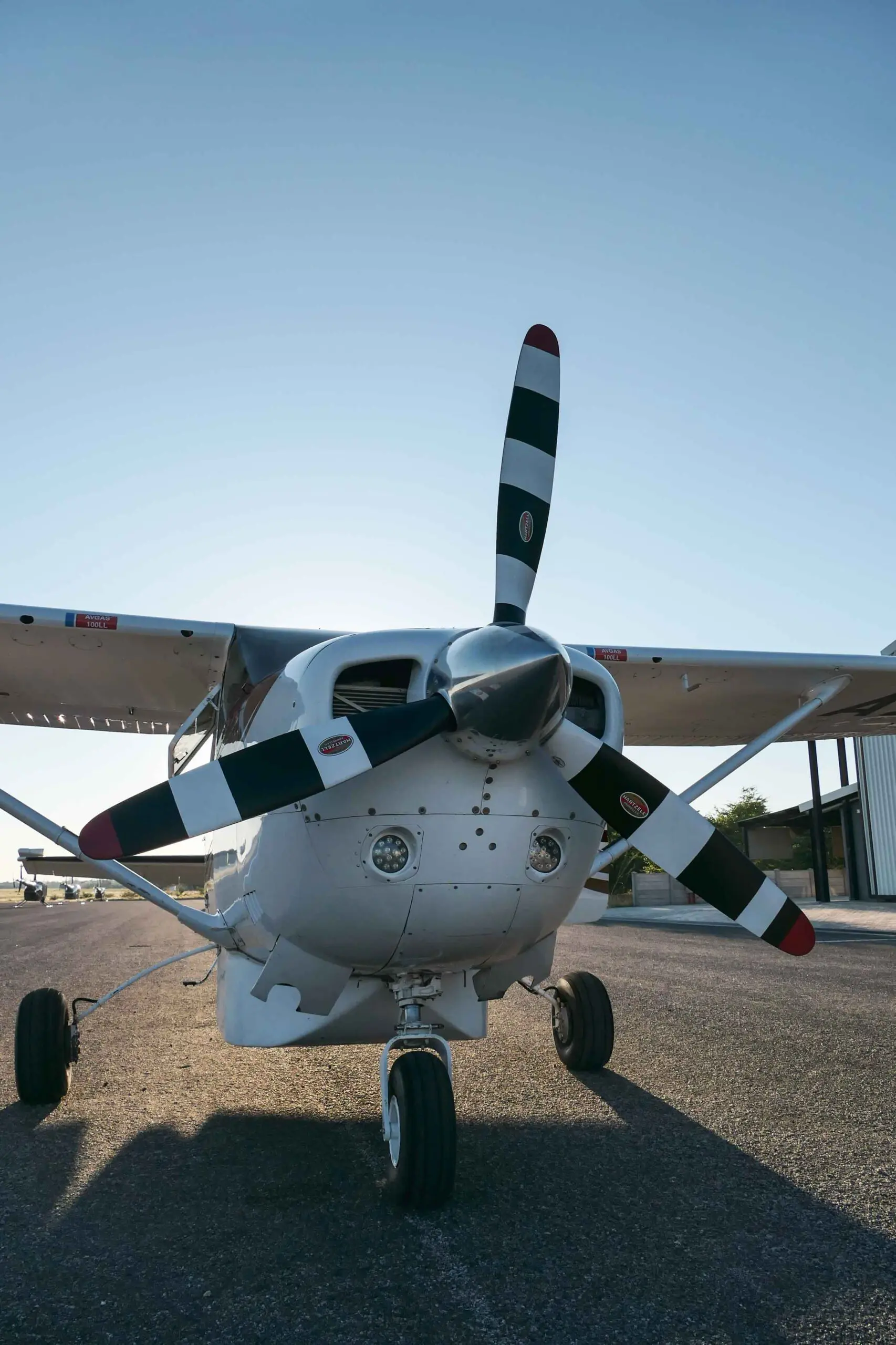
From Maun, several operators offer scenic flights in small aircraft, usually a Cessna carrying five or six passengers. You fly low, at around 150 metres, and that's exactly the point.
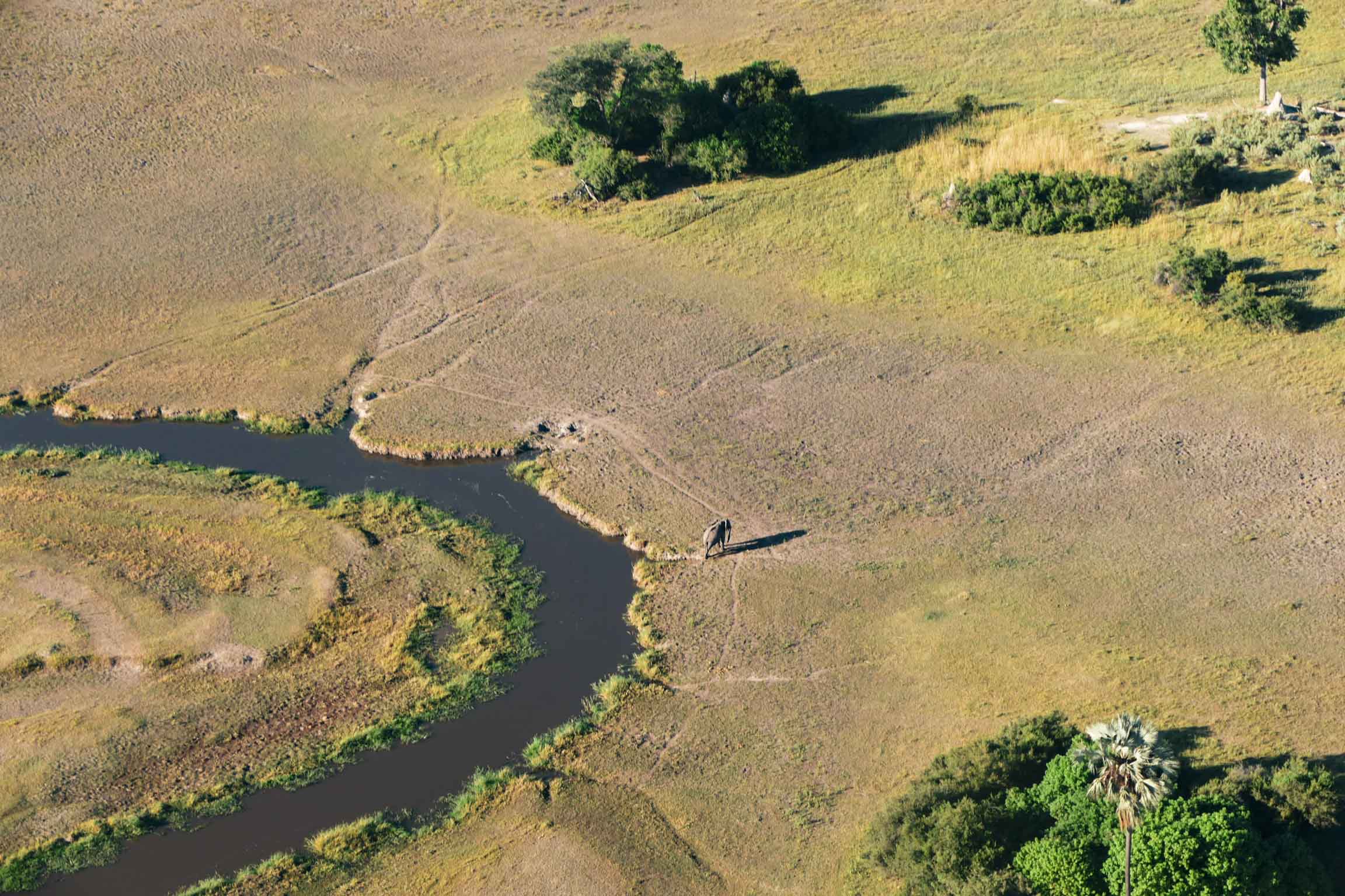
From the ground, the delta is a collection of separate scenes: a channel, an island, a herd. From the air, everything falls into place. You can see the waterways spreading out like the veins of a leaf, dotted with thousands of palm-covered islands. Many of these islands formed around a termite mound, after which a palm seed growing in elephant dung took care of the rest.
You can also see the elephant paths, kilometre-long lines through the grass that have been used for generations.
Ask for a window seat and set your camera to a fast shutter speed, because you're flying faster than the landscape might suggest.
The Wildlife of the Okavango Delta
Water draws everything in. During the dry season, around 260,000 mammals gather around the delta.
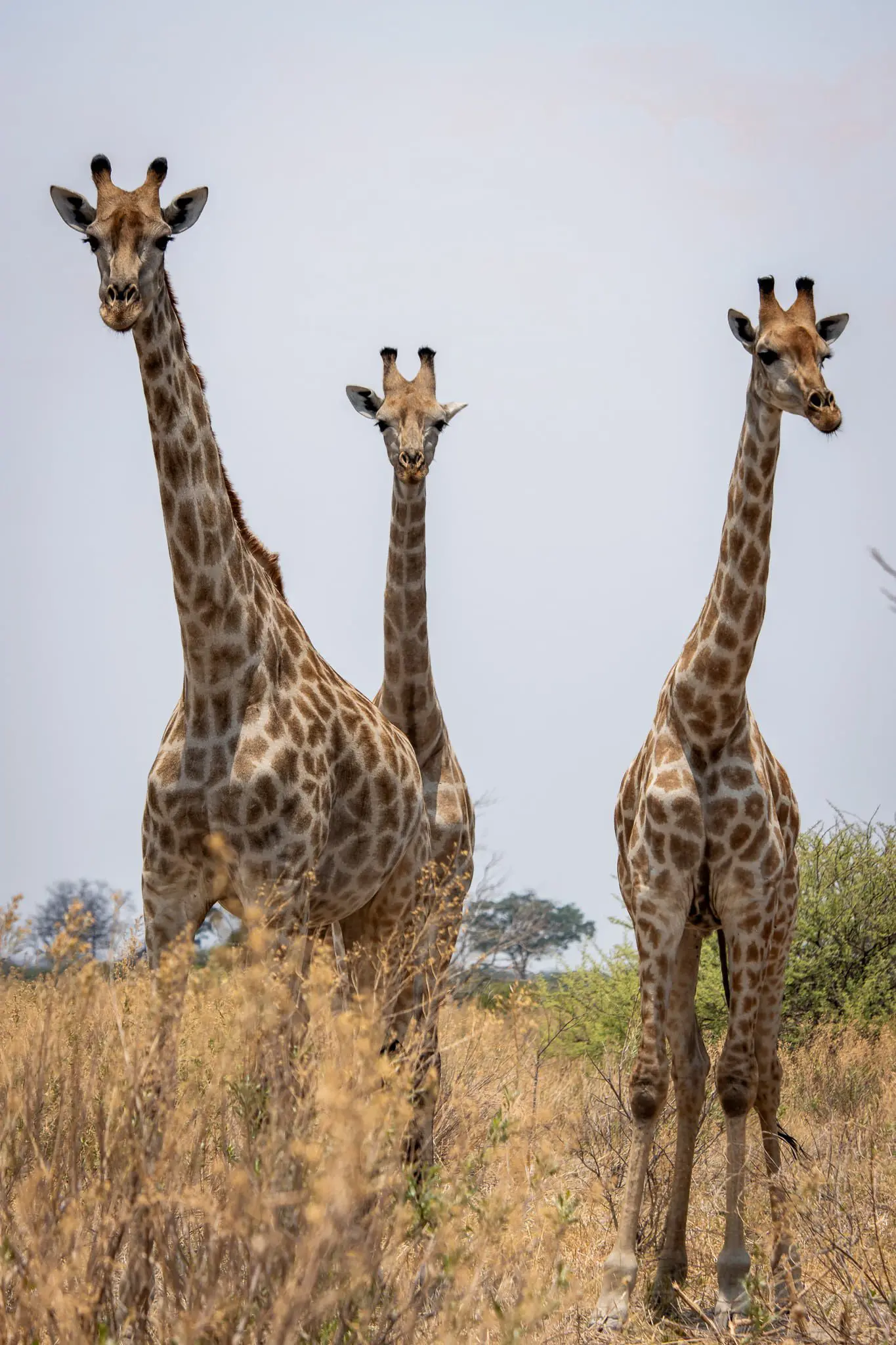
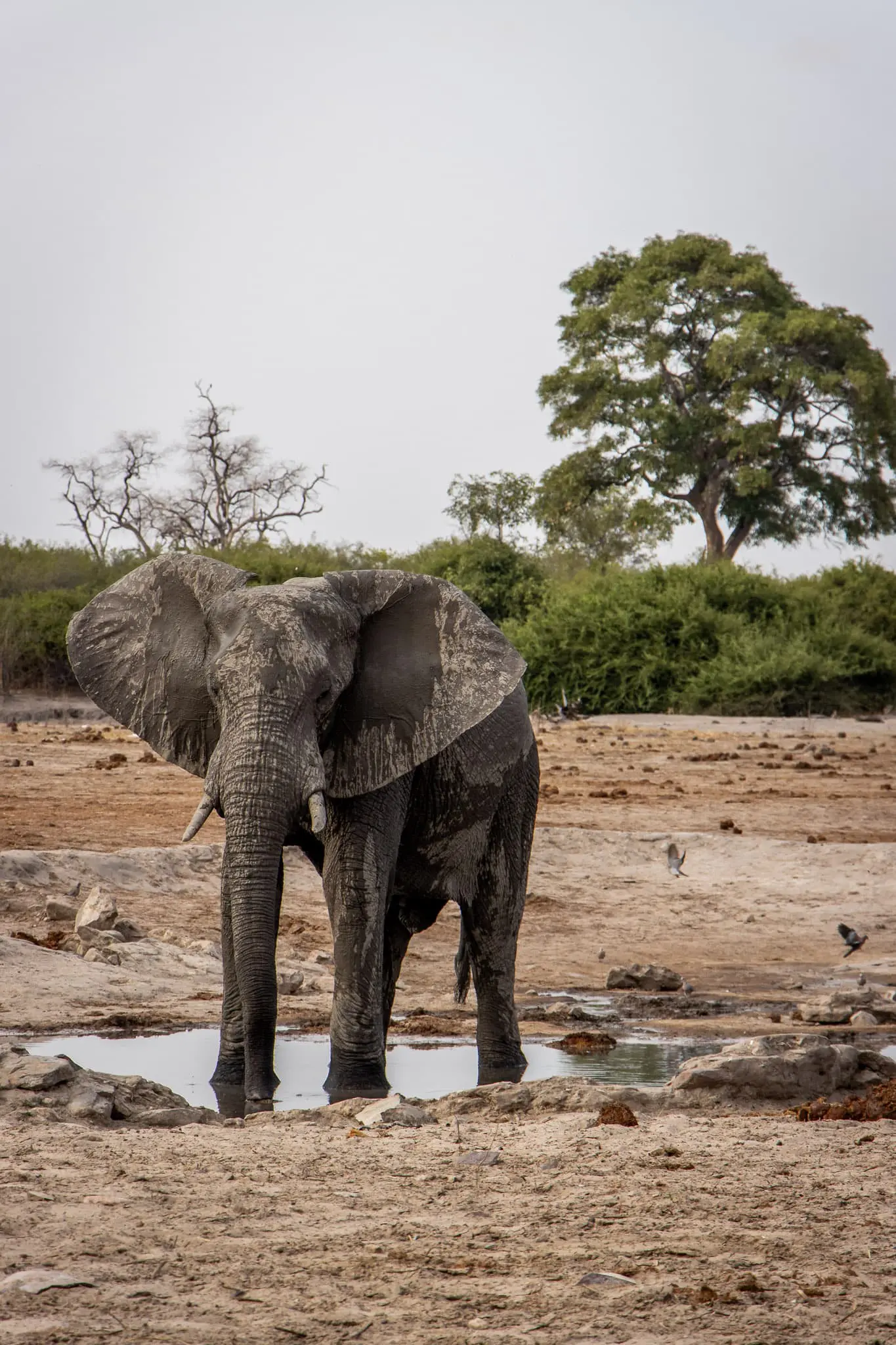
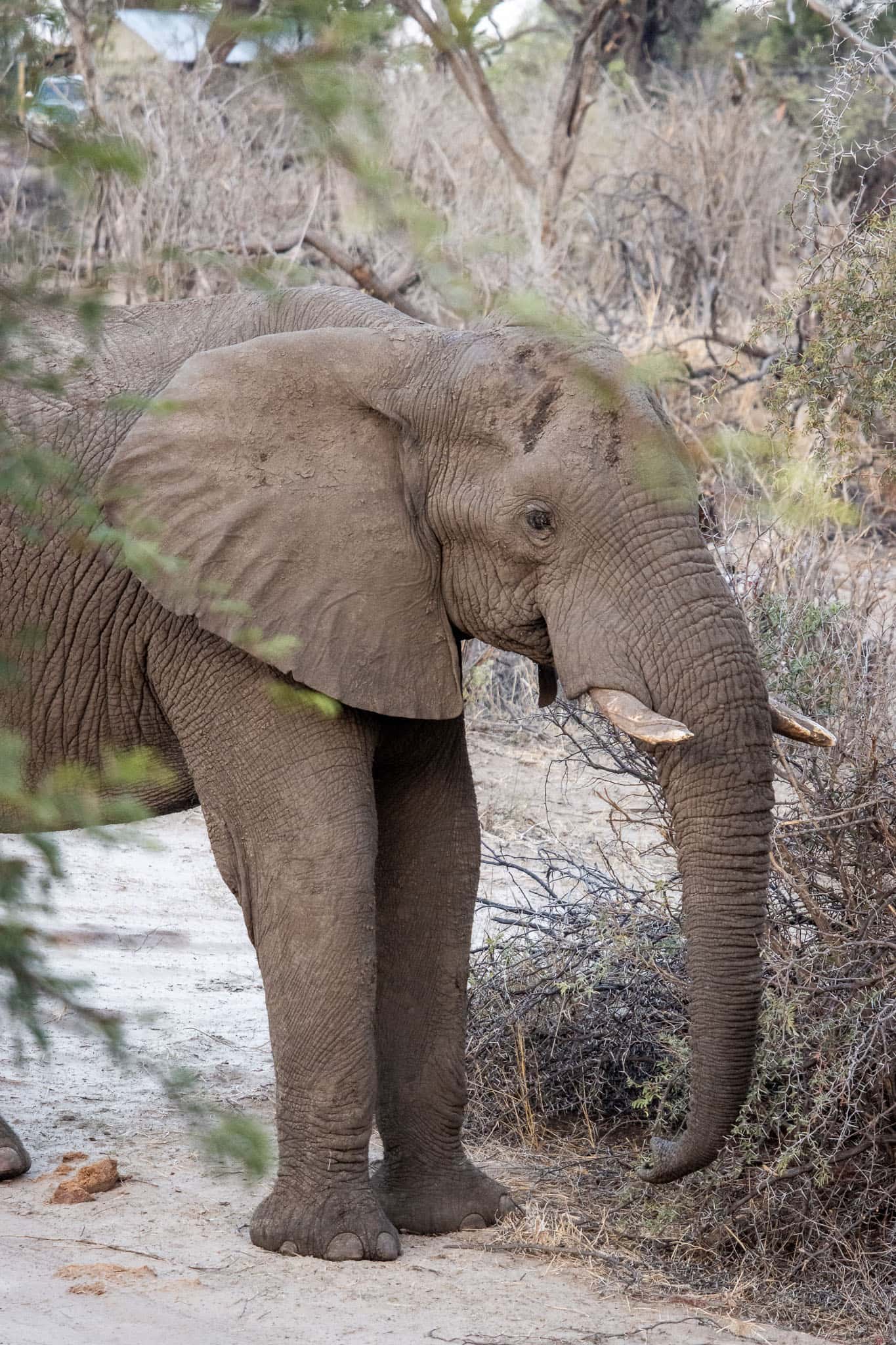
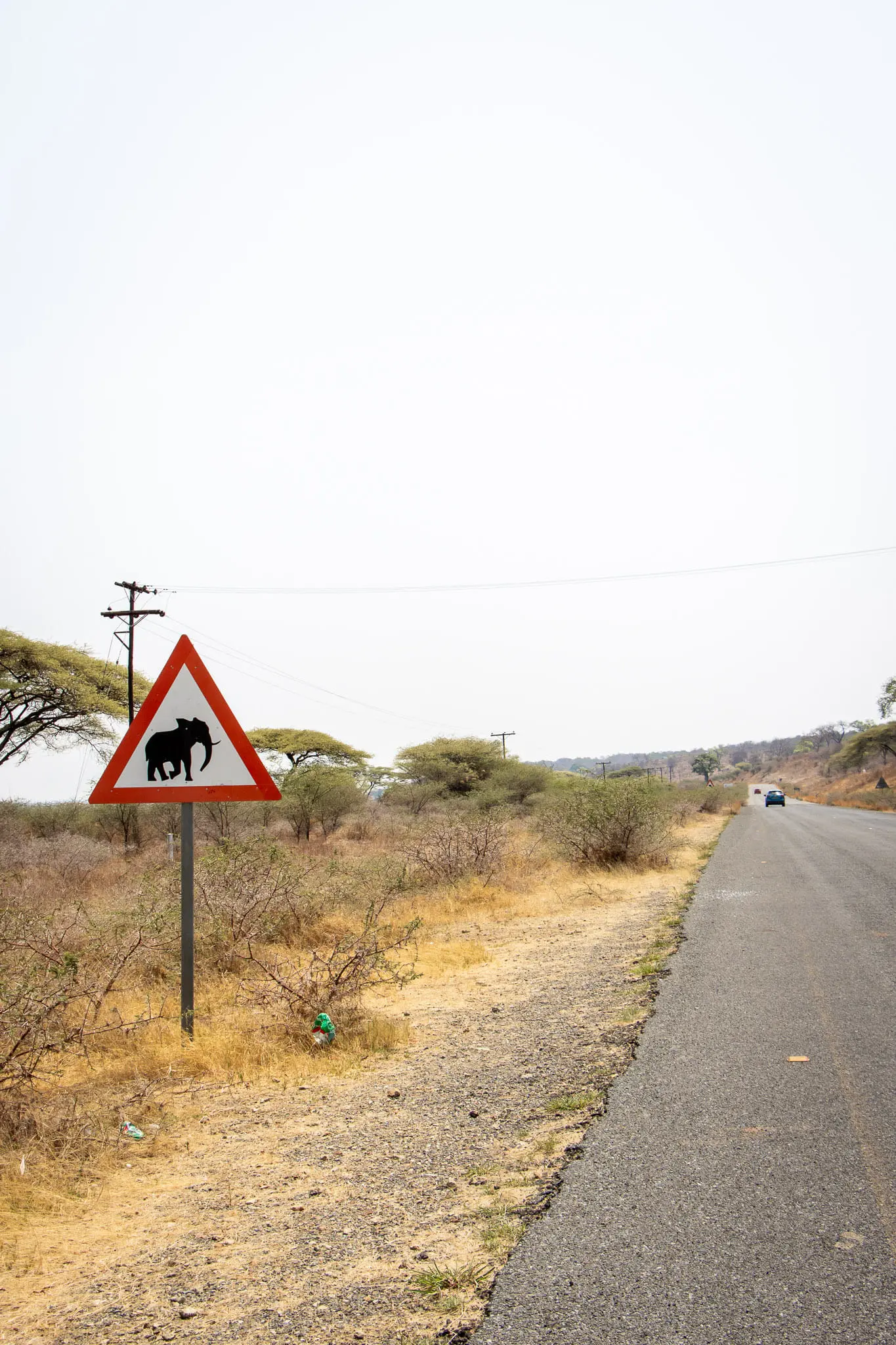
Elephants are the animals you’ll see most often, and that’s no coincidence: Botswana is home to Africa’s largest elephant population. They often wade across the water with only their trunks poking above the surface like snorkels. Hippos keep the deeper channels open simply by trudging through them, quite literally helping to shape the delta. And Nile crocodiles lie on the sandbanks looking like they’re made of stone, until suddenly they’re not.
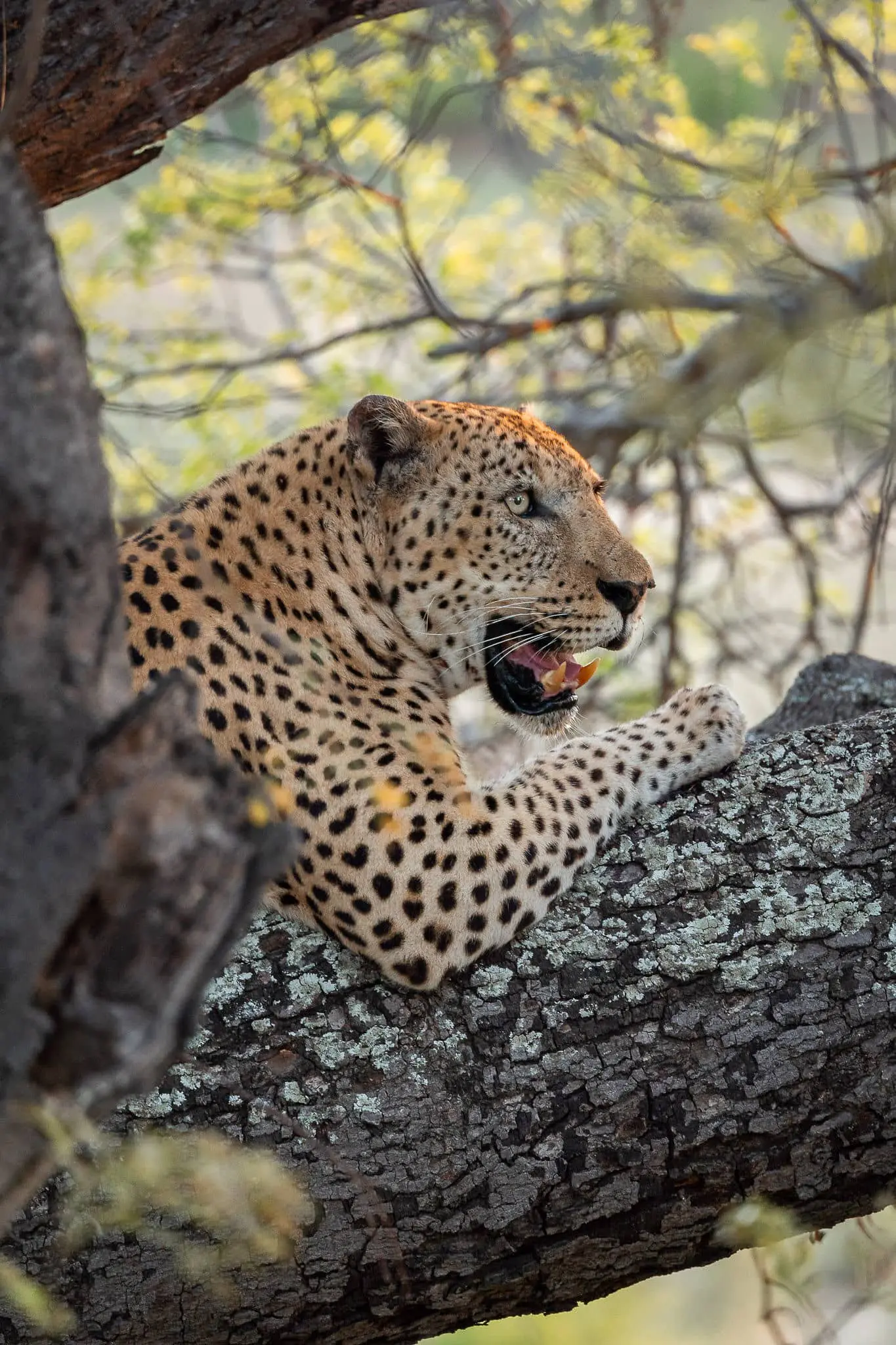
Less famous but found everywhere is the red lechwe, an antelope with longer hind legs that let it sprint through shallow water at incredible speed. You’ll also find lions, leopards, cheetahs and one of the world’s strongest populations of African wild dogs.
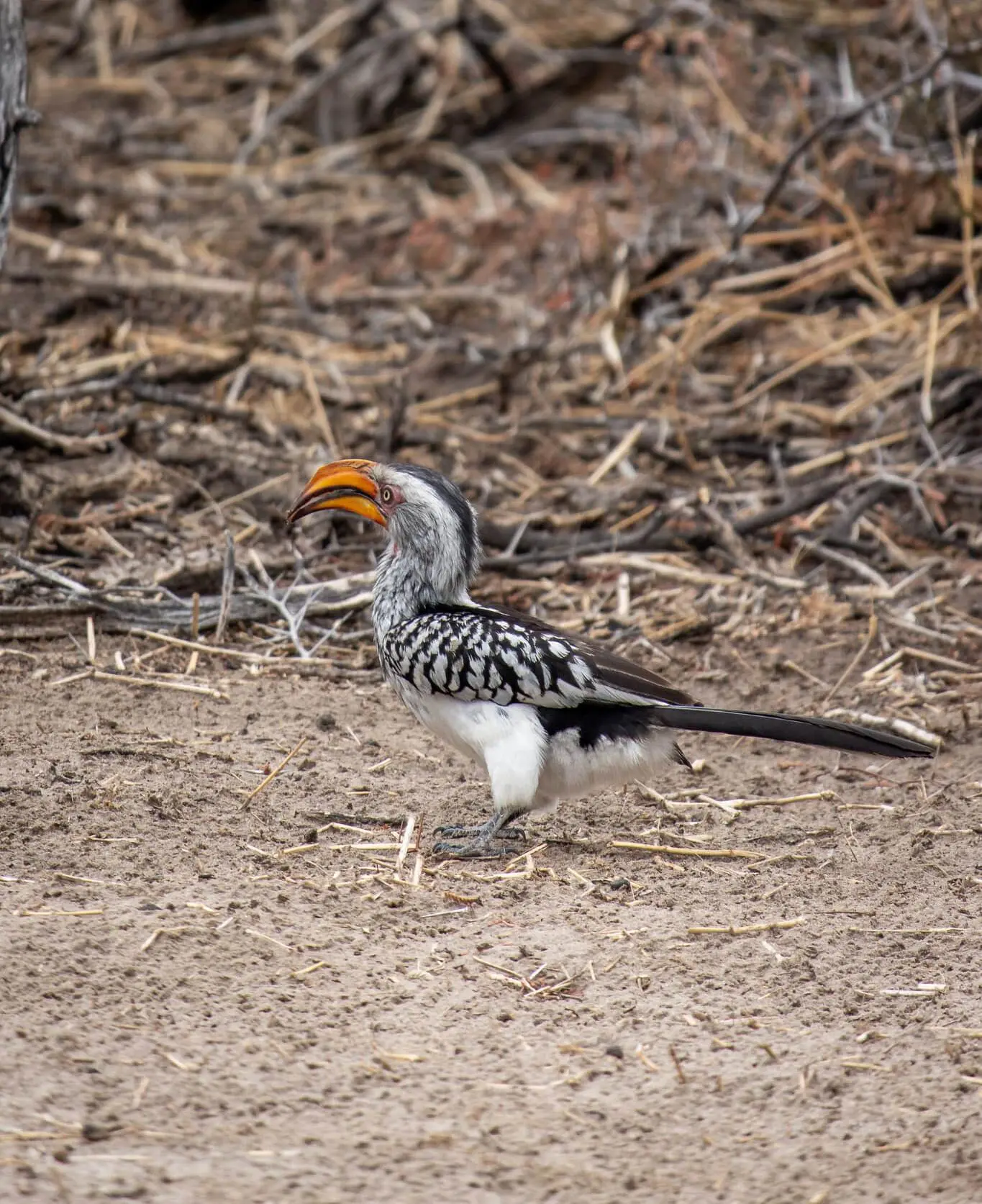
For birdwatchers, there are more than 400 species. The African fish eagle, with the call that opens every African wildlife documentary, and the African jacana, which runs across water lily leaves without sinking.
Best time to visit the Okavango Delta
The short answer: June to August. High water levels, fewer mosquitoes, comfortable temperatures, and animals gathering around the water.
The longer answer: from June to August, the water is high, making it the best time for canoeing. September and October get hot, sometimes reaching over 35 degrees, and the heat drives animals to gather even more around the water. If you're looking for the largest herds and the most activity at the watering holes, this is the time to go.
November to March is the rainy season, and it feels like a completely different place. The landscape turns green, thousands of migratory birds arrive, and young animals are born everywhere. Water levels in the delta are low during this period, so you'll spend more time on dry land and less on the water. For birdwatchers and photographers, it's the richest time of year.
Just keep the mornings in mind. Even during the warmer months, a 6 a.m. game drive in an open vehicle can feel chilly. Make sure to bring enough warm clothing.


Practical information
Visa: If you hold a Dutch or Belgian passport, you don’t need a visa for stays of up to 90 days. Your passport must be valid for at least six months on arrival and have two blank pages.
Tourist tax: Since 2025, Botswana has charged a Tourism Development Levy, payable on arrival. Check the current amounts before you leave.
Health: The delta is a malaria area, with the highest risk during the rainy season. Book an appointment with the GGD or a vaccination centre well before departure for personalised advice. Vaccinations aren’t mandatory, but DTP and hepatitis A are recommended. Lodges in the delta provide mosquito nets.
Getting around: Maun International Airport is your starting point, usually reached via Johannesburg or Cape Town. Within the delta, you’ll travel by bush plane, boat or 4×4.
Driving: Self-driving in Moremi requires some experience. Expect deep sand and stretches where you’ll have to drive through water. Plan your days so you reach your camp before sunset.
Camping: The campsites in Moremi are located in the middle of the reserve and have no fences. Book well in advance, as they’re often fully booked months ahead during the high season.
Your Okavango adventure with Botswana Nomads
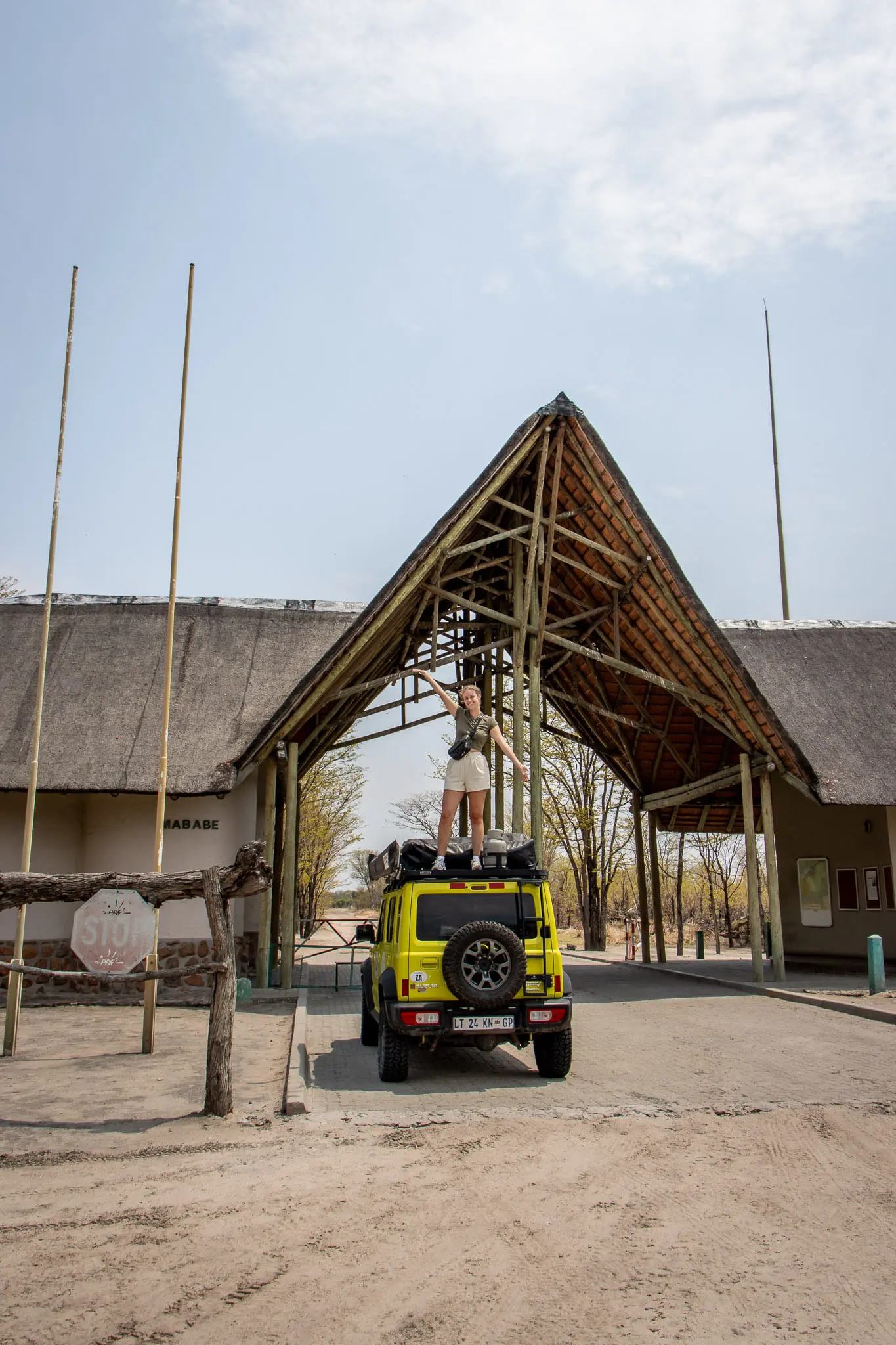
Want to see the delta without anyone else deciding your route? With Botswana Nomads, you’ll explore Botswana in ten or eleven days in your own 4x4 with a rooftop tent.
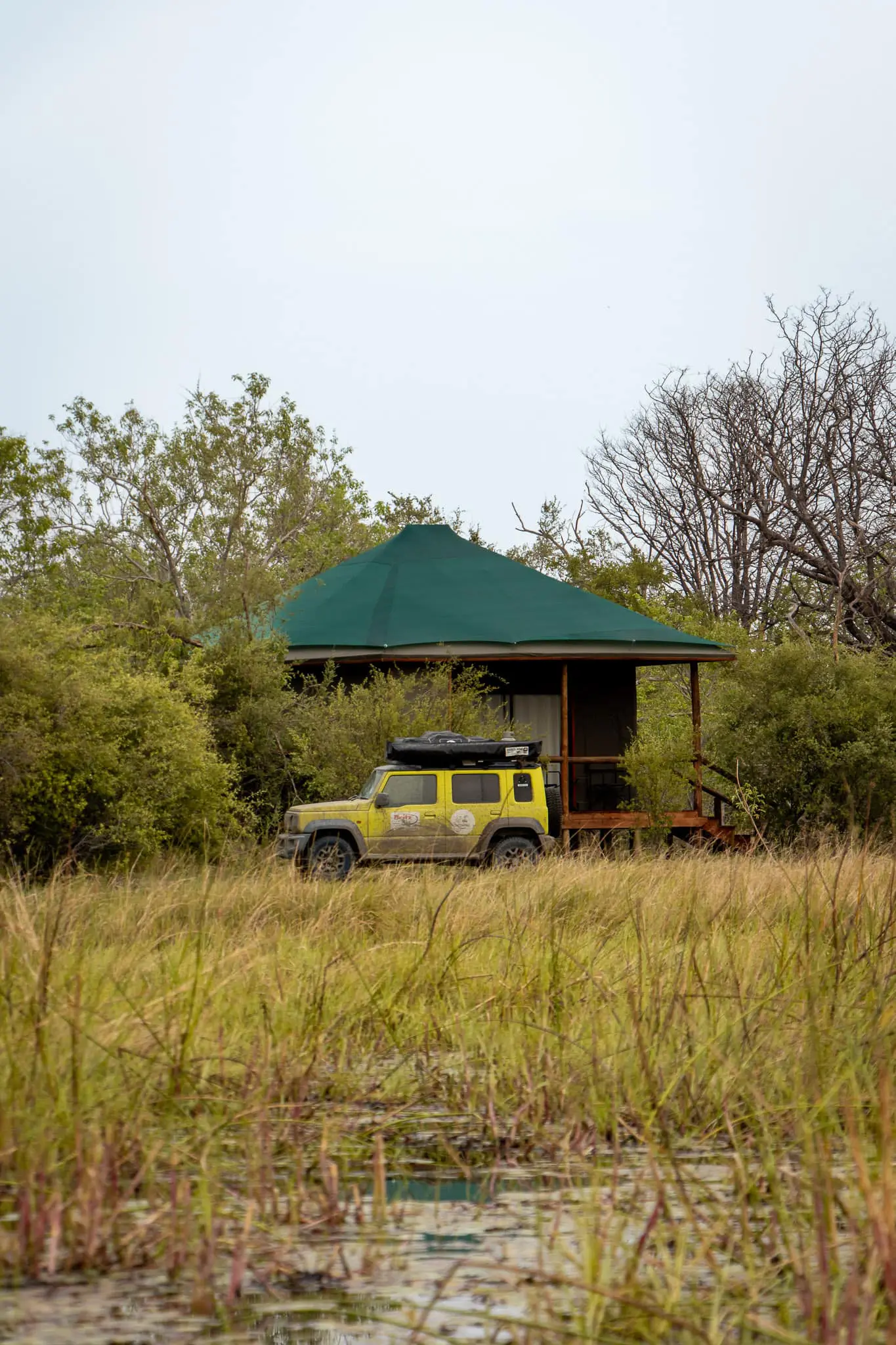
You’ll drive a Suzuki Jimny, automatic and fully equipped with camping gear. The rooftop tent unfolds in just a few minutes and comes with a double mattress, warm sleeping bags and pillows. So you’ll literally sleep on top of your car, with just the tent fabric between you and the starry sky.
The route starts in Maun, taking you to highlights such as the Makgadikgadi Pans, Chobe National Park and Victoria Falls in Zimbabwe. Along the way, you’ll camp in the middle of nature and set up your tent in some of the most special spots at the end of each afternoon.
You’ll head out on your own, but never unprepared. You’ll get a roadbook and app explaining what to expect each day, along with tips for the road. You’ll also join a group chat with the other travelers and someone from Travelbase, who shares daily updates and answers your questions. Freedom with a safety net, you could say.
This road trip is always for two people, so grab your travel buddy and check out the full route and departure dates at Botswana Nomads.