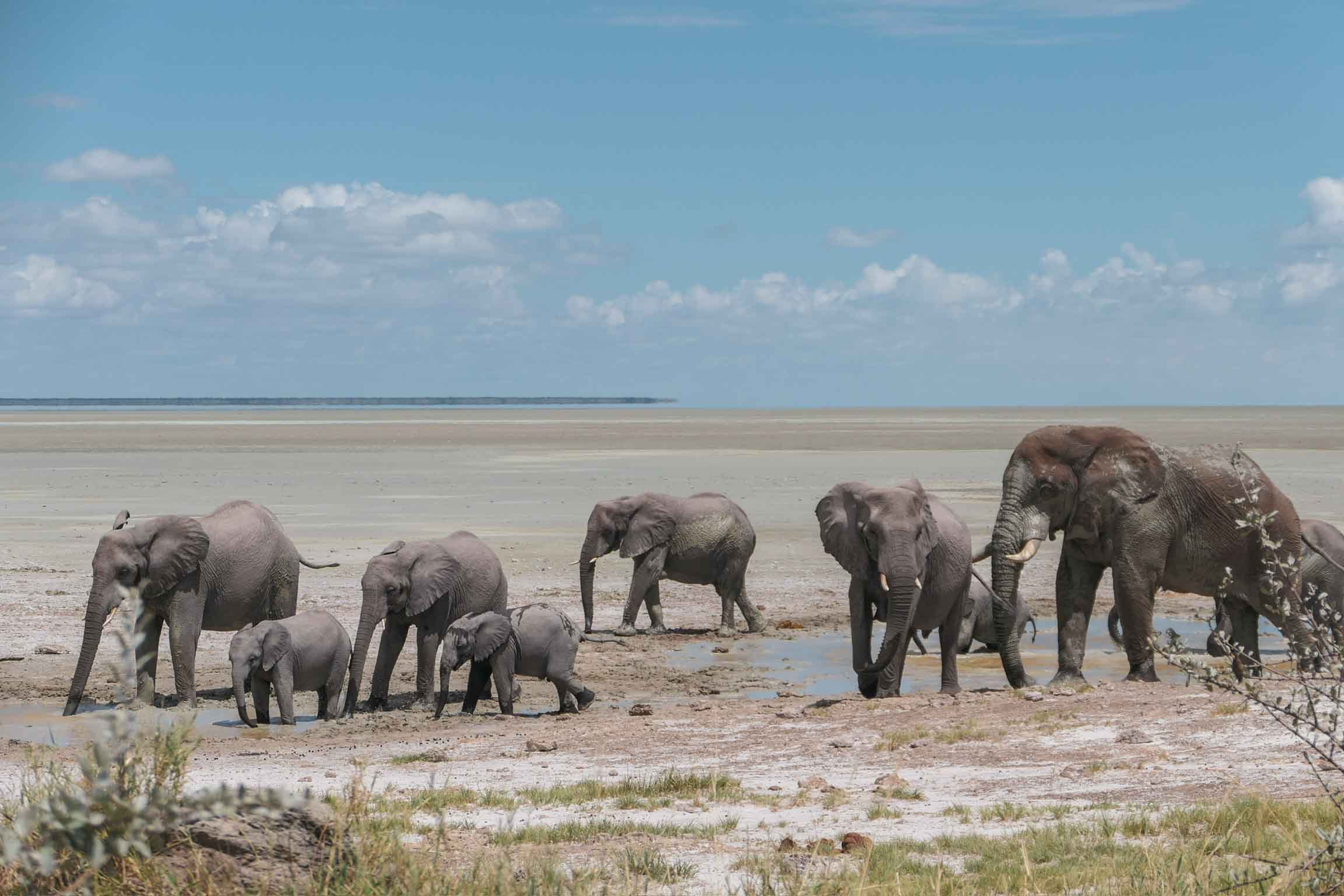
Makgadikgadi Pans Botswana: everything you need to know about Africa's largest salt flat.
There are places in the world that you just can't explain. The Makgadikgadi Pans National Park is one of those places. An endless white expanse in the middle of Botswana, where there are no trees, no hills, and the only sound is the wind. It's one of the largest and most bizarre landscapes on Earth, and undoubtedly one of the most unexpected highlights of a trip through Southern Africa.
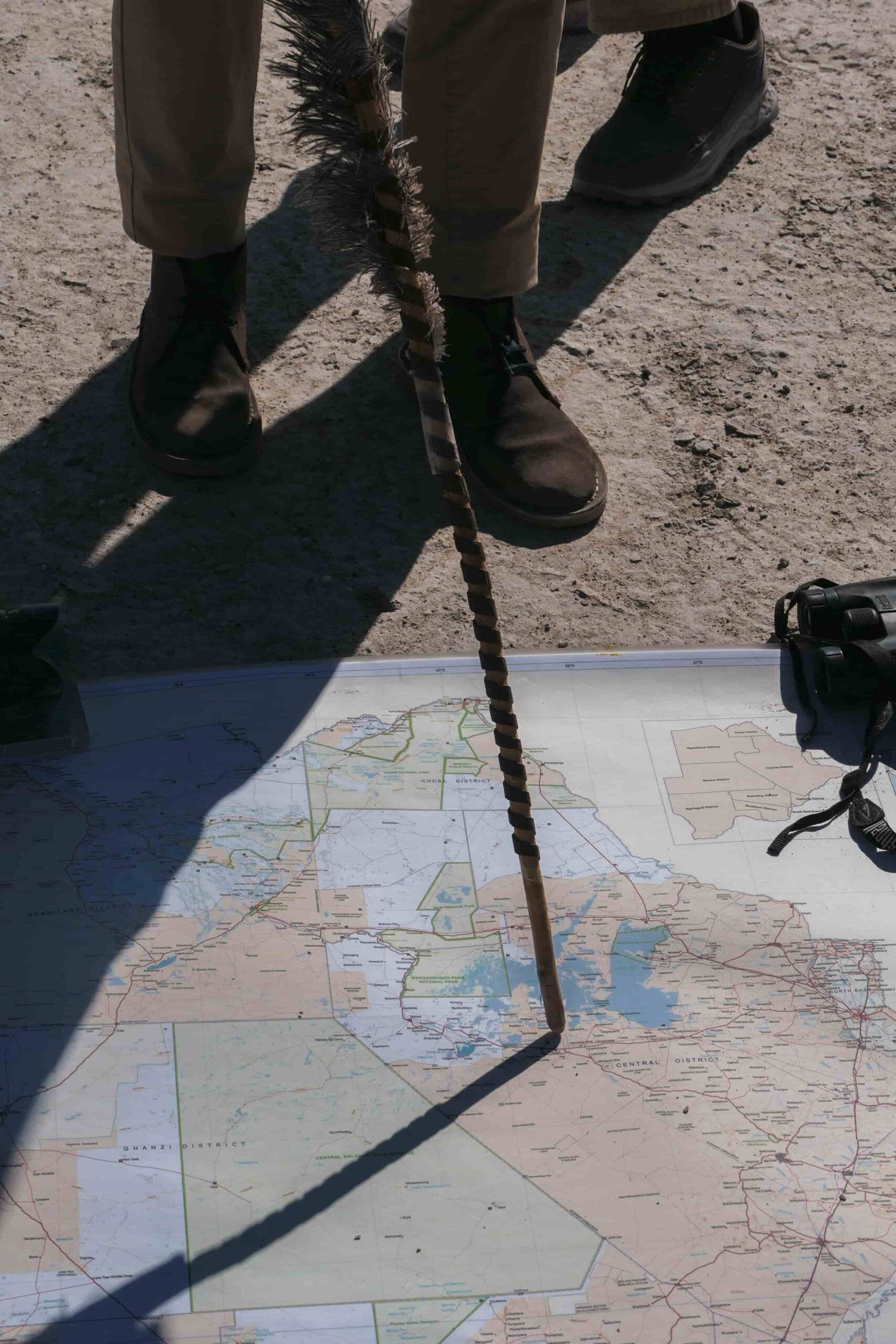
The Makgadikgadi Pans are the remnants of a prehistoric lake that was once larger than all of Switzerland. That lake dried up thousands of years ago, leaving behind a vast network of salt flats in northeastern Botswana. The two largest are the Sua Pan and the Ntwetwe Pan. Together, they form one of the largest salt flats in Africa, covering a total area of over 12,000 square kilometers.
Top tips from our team
- Avoid the rainy season (December-March)
- Bring your camera or binoculars
- Always drive with a guide or in a 4x4 over the pans
- Bring enough water
- Also visit the Nata Bird Sanctuary
What exactly are the Makgadikgadi Pans?
The Makgadikgadi salt pans are what’s left when a lake slowly disappears. What remains after the ancient Makgadikgadi lake dries up are thin layers of salt and minerals that make the surface almost mirror smooth. In the dry season, the landscape is completely bare: a dazzling white expanse without any vegetation. No animals in sight. No shade. Just silence and heat.
As soon as the first rains fall, the Makgadikgadi transforms into something completely different. Water gathers in shallow pools, and almost overnight, thousands of flamingos appear. At the same time, zebras, wildebeests, and other grazers come from the surrounding areas to the pans in search of fresh grass and water. It’s one of the largest zebra migrations in Africa, largely unknown to the general public.
Sua Pan and Ntwetwe Pan are the two largest sections of the Makgadikgadi system. Sua Pan, in the east, is more famous for its flamingos. Ntwetwe Pan, in the west, is the more remote of the two and the place where you really get a sense of total solitude. Both pans are part of the Makgadikgadi Pans National Park, which was officially established in 1992.
Stargazing at the Makgadikgadi Pans
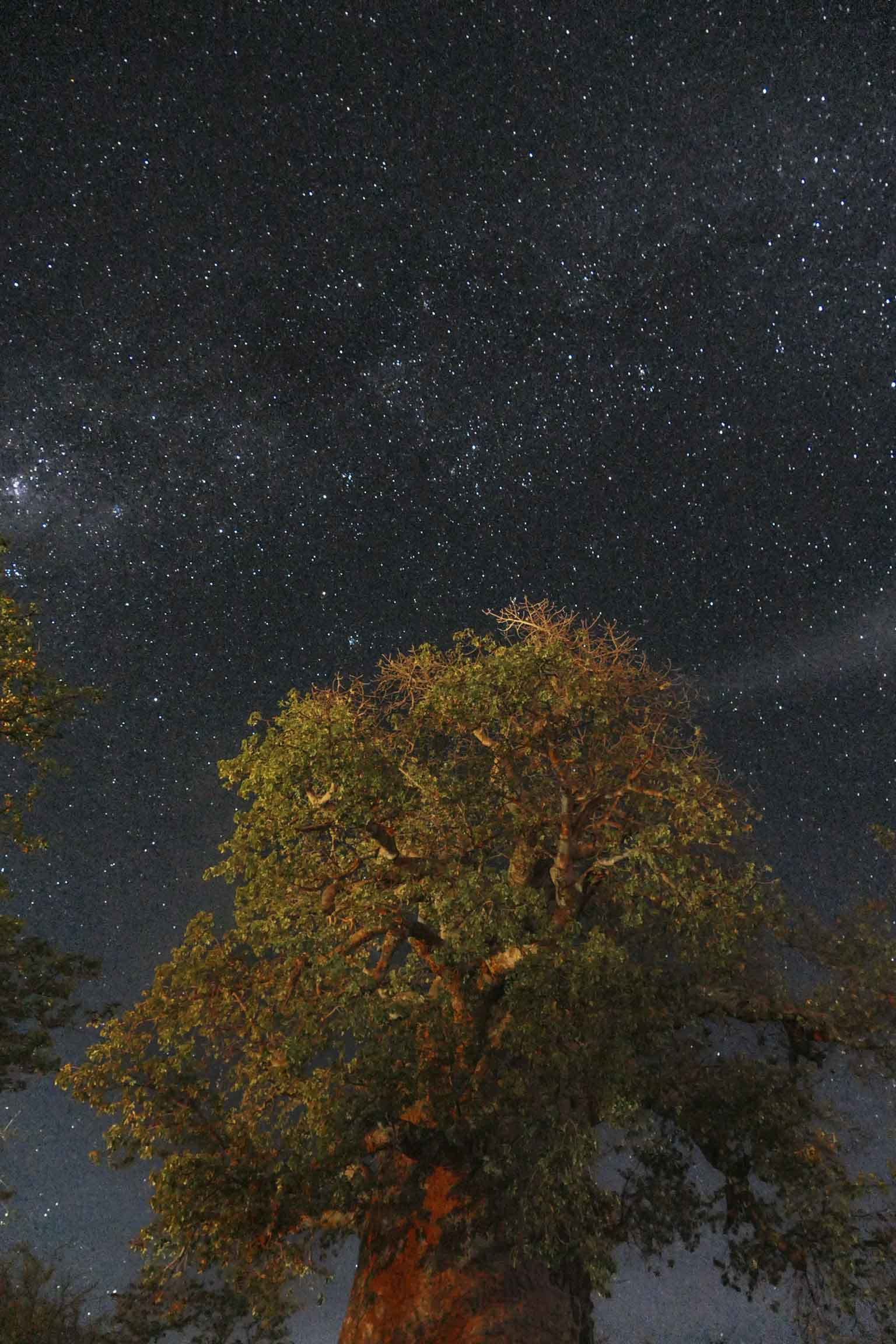
There are few places on Earth where you can see the Milky Way as clearly as on the Makgadikgadi salt pans. With hundreds of kilometers around having hardly any light pollution, the night sky unfolds just as it's meant to be seen. Thousands of stars, the Milky Way, and if you're lucky, several shooting stars.
Many travelers consider the nights near the pans to be one of the highlights of their entire trip through Botswana. Not the elephants, not the safari, but just lying in your rooftop tent and looking up.
Wildlife in and around the Makgadikgadi Pans
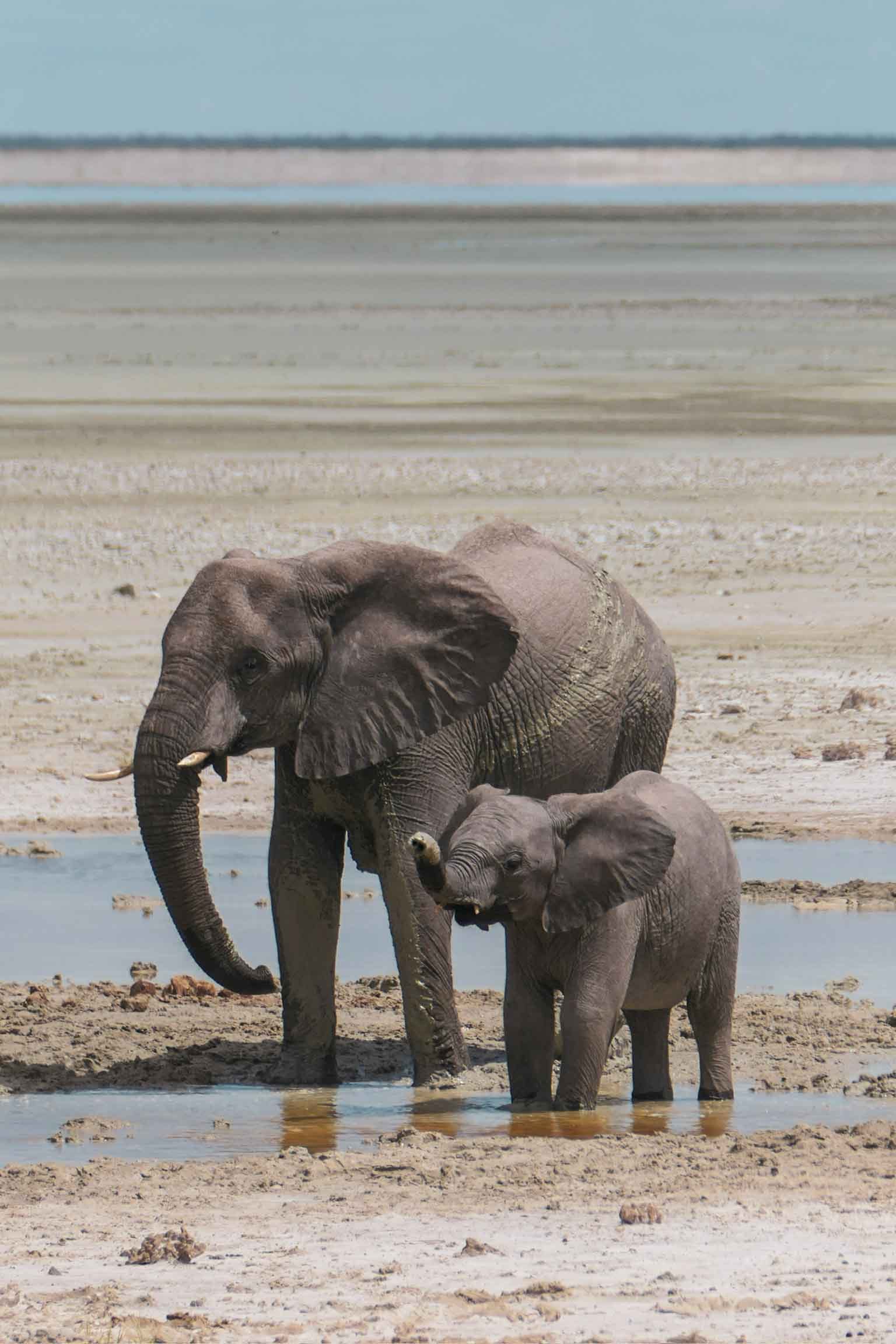
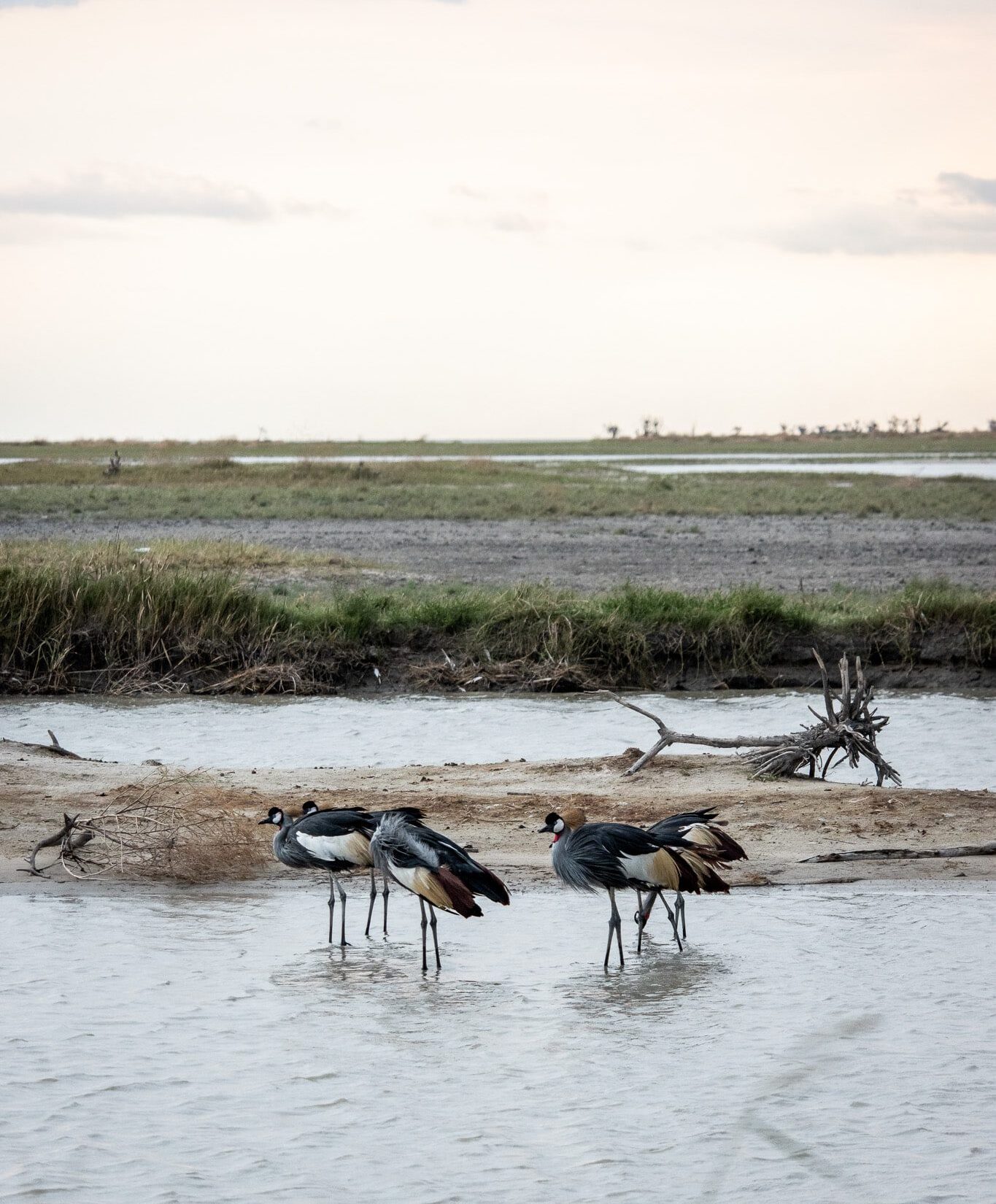
The Makgadikgadi Pans may seem lifeless at first glance. But if you look closely, you'll discover that the area is home to a surprising amount of wildlife, especially in and around the Makgadikgadi Pans National Park.
Zebras and the Great Migration
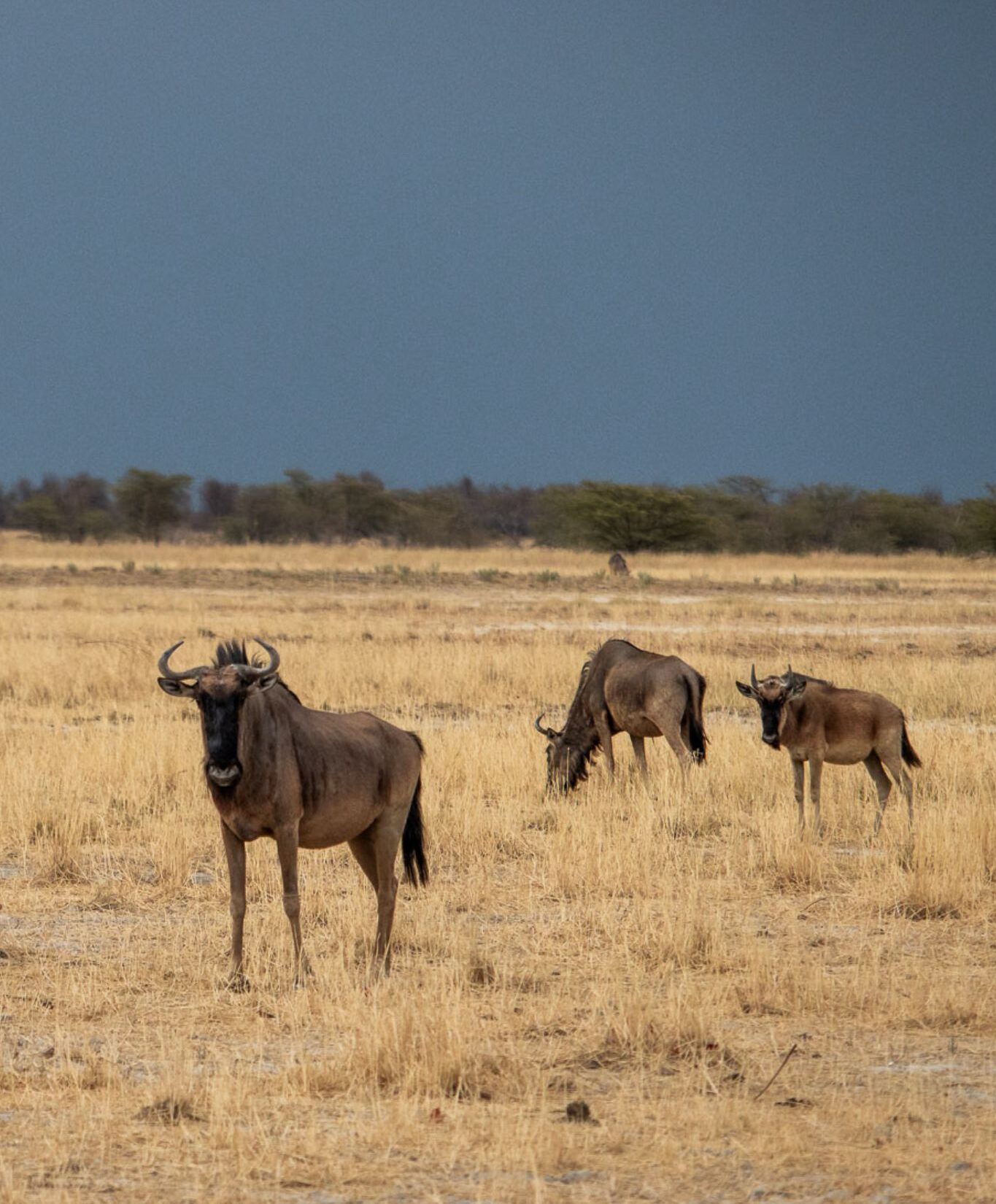
Between November and April, tens of thousands of zebras and wildebeests migrate from the Kalahari to the pans. It's the second-largest mammal migration in Africa, after the famous wildebeest migration in the Serengeti, but much less visited. You sometimes literally drive through herds, while the zebras calmly continue grazing as if you weren't there.
Flamingos at Sua Pan
When there's enough rainwater, both lesser and greater flamingos gather at Sua Pan in large numbers. On good days, the water turns pink all the way to the horizon. It's one of the most photogenic scenes in all of southern Africa.
Brown Hyenas and Lions
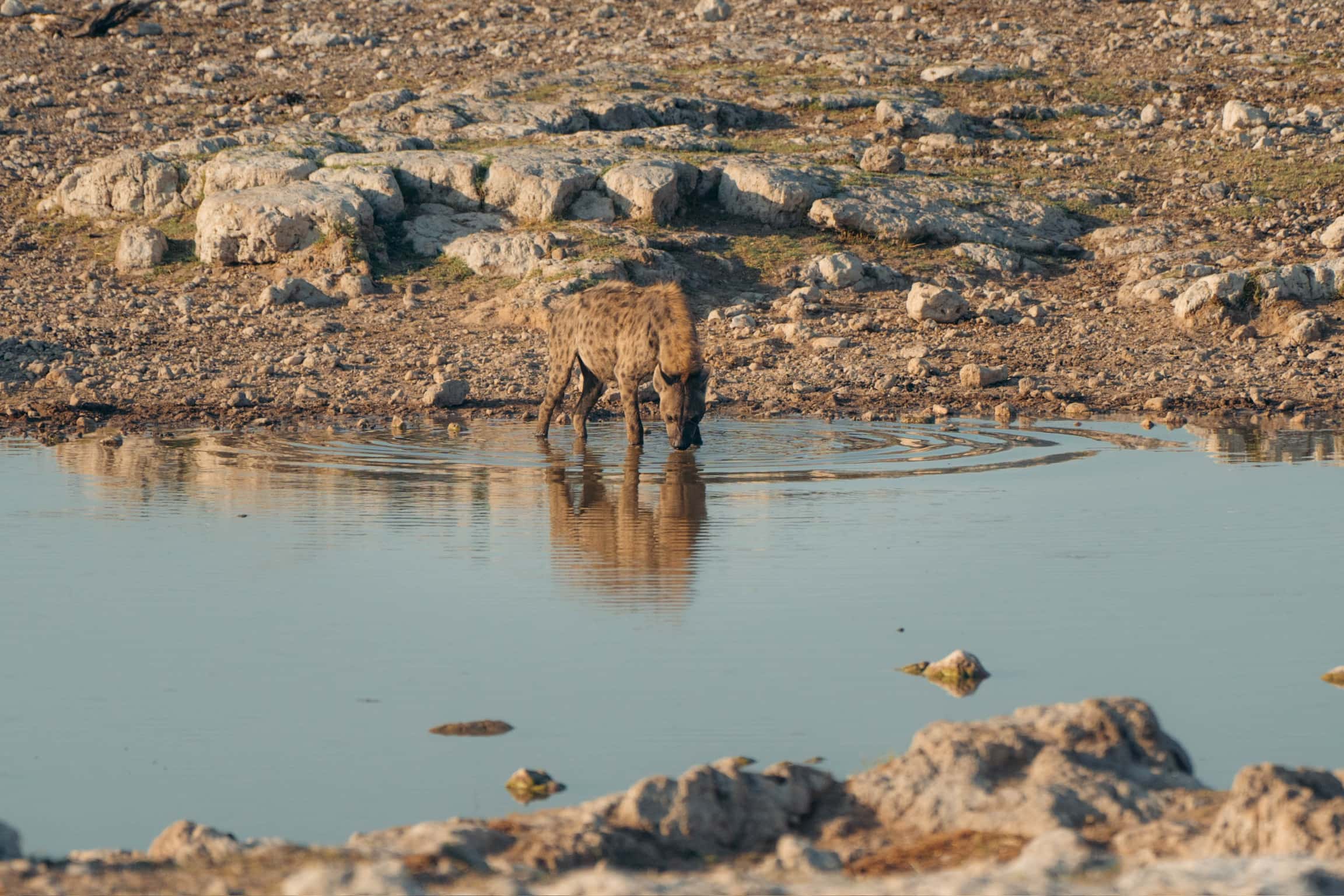
During the dry season, when the prey animals have retreated, the predators remain. Brown hyenas are relatively easy to spot here, and lions that specialize in hunting on the plains are frequently seen. They are different from lions elsewhere: larger, tougher, and adapted to the harsh life on the pans.
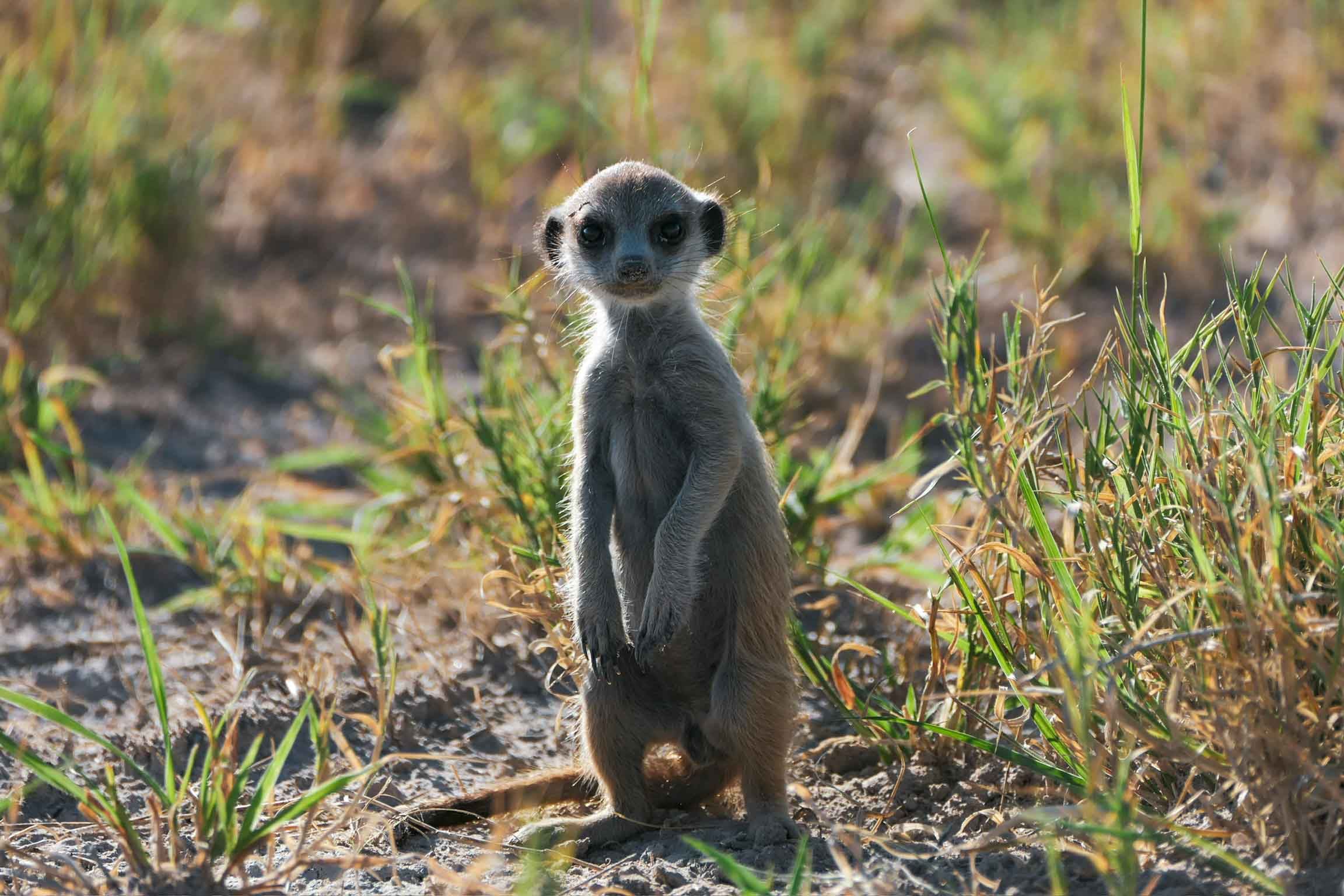
Meerkats
Just outside the pans, on the sandy edges of the Makgadikgadi area, colonies of meerkats live. It's possible to observe them up close, but only at exclusive lodges.
The Makgadikgadi Pans as part of your Botswana adventure
You don't just pop by the Makgadikgadi Pans. It's best to combine your visit with other highlights that Botswana has to offer. Think of the elephants in Chobe National Park, the deep tranquility of the Okavango Delta, or the impressive Victoria Falls on a day when you cross the border into Zimbabwe.
With the Botswana Nomads trip, you can experience all of this in 15 days. From Johannesburg, you'll travel through the heart of Botswana, along the Makgadikgadi Pans, through Moremi and Khwai, past Chobe and Kasane, with a day trip to the Victoria Falls, and back to Johannesburg. You'll stay at campsites and lodges in the heart of nature, traveling with like-minded adventurers.
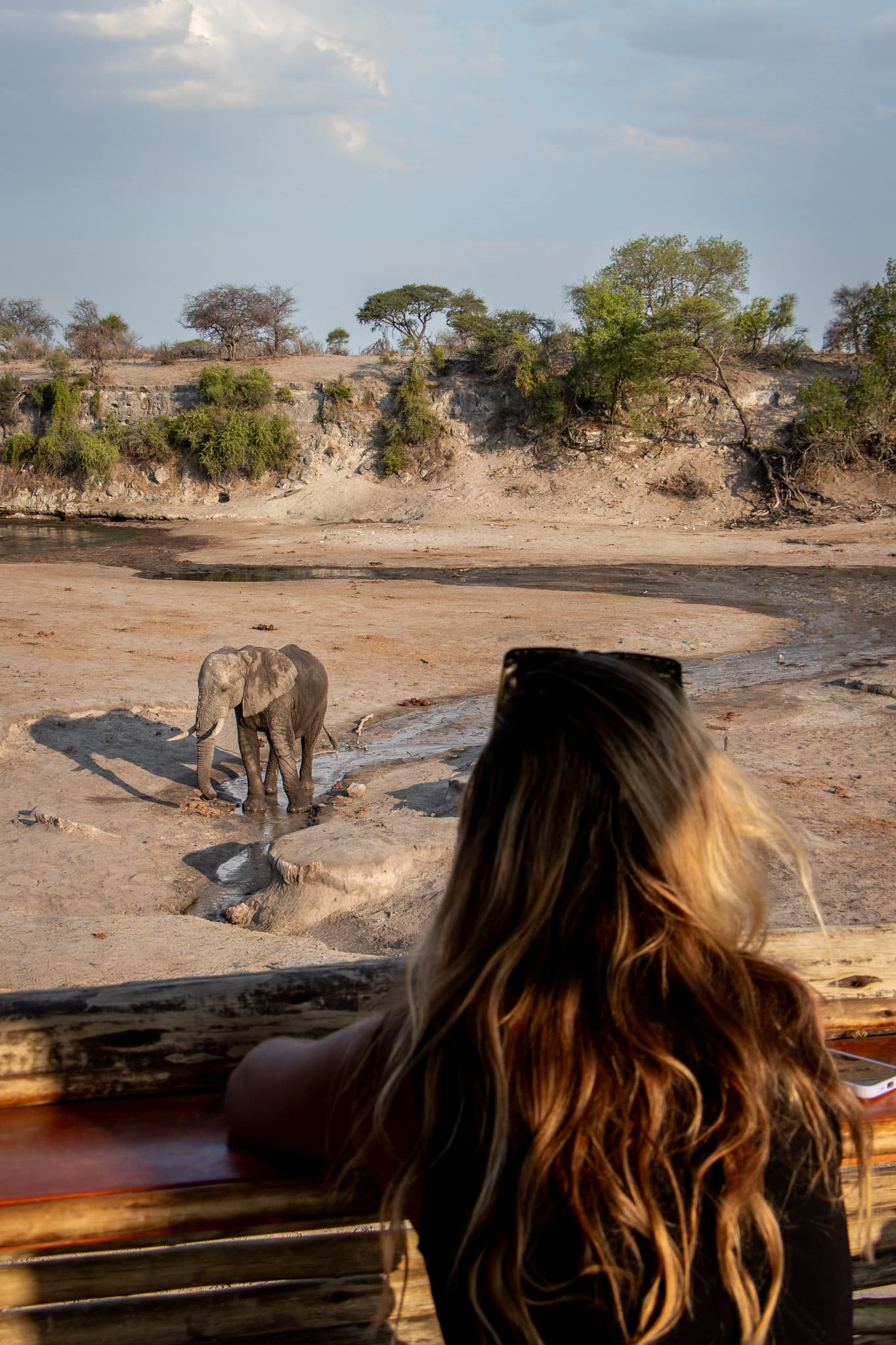
The stop at the Boteti River, near the Makgadikgadi Pans, is one of the most special nights of the entire trip. In the evening, you can hear the animals across the water, and in the morning, as you wake up, you'll see the riverbank slowly come to life.