What to do and see in Chobe National Park?
Imagine this: you’re in your 4x4 and suddenly there are hundreds of elephants all around you. Mothers with their calves, majestic creatures with huge tusks, entire families heading toward the river. This isn’t a fantasy; it’s just a typical afternoon in Chobe National Park. With the highest elephant density in the world, this park in northern Botswana is an absolute highlight for any wildlife lover. Besides elephants, you can spot lions, leopards, buffalo, and during a boat safari along the Chobe River, you’ll come face to face with hippos and crocodiles. In this article, we’ll guide you through the park, tell you where to spot which animals, and provide practical tips for your safari adventure.
Top tips from our team
- Best time: May to October (dry season)
- Elephants gather by the river during the dry season
- Go on both a safari and a boat cruise
- Savuti is the best area for predators
- Bring enough fuel with you
- Bring binoculars for birdwatching along the river
Chobe National Park: Botswana's elephant paradise
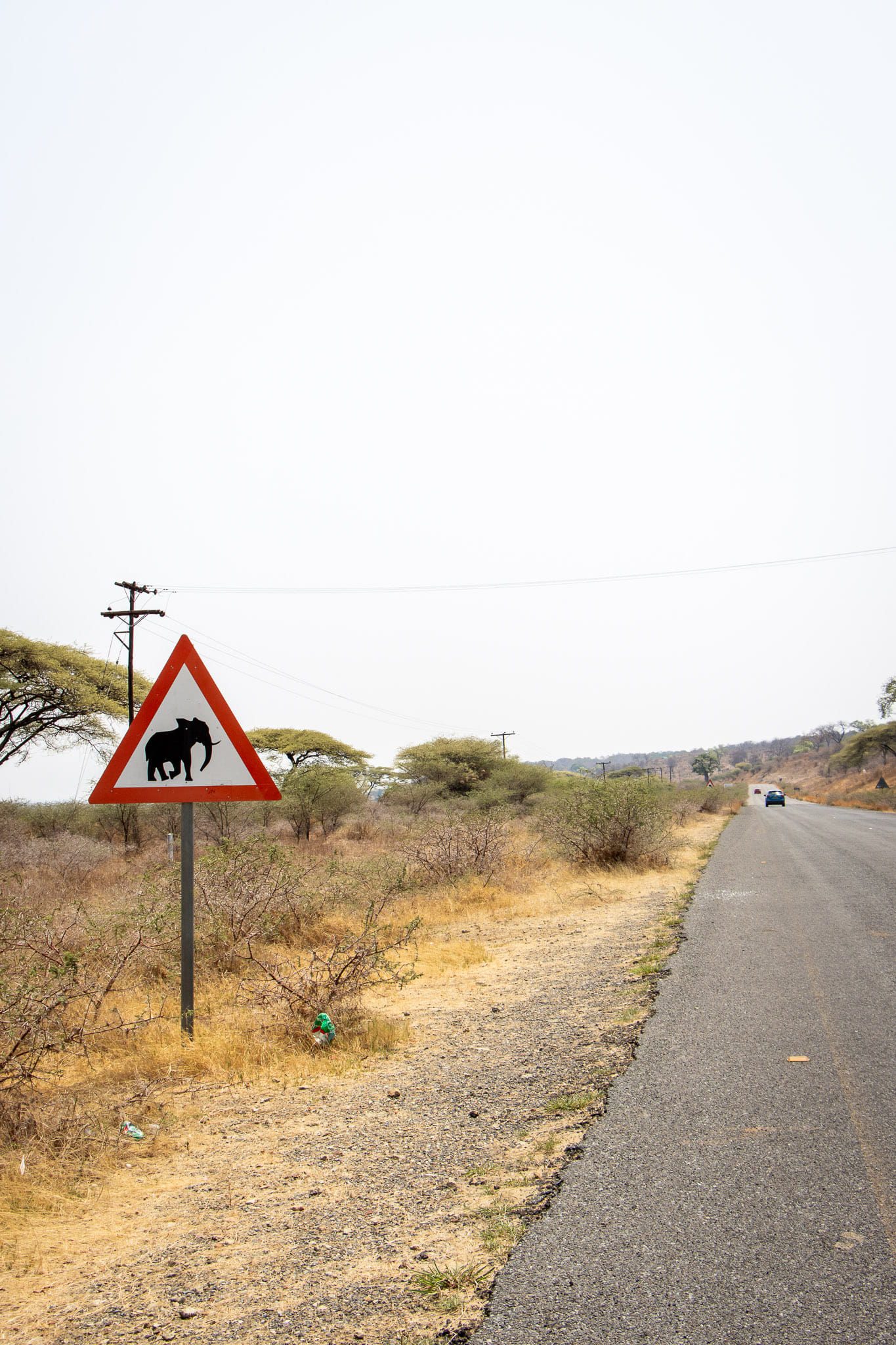
Chobe National Park covers nearly 11,000 square kilometers in the northeast of Botswana. That's larger than the entire province of Utrecht. The park was established in 1968 as Botswana's first national park and has been known for its massive population of African elephants ever since. Estimates vary, but there are likely between 50,000 and 120,000 elephants living in and around the park. During the dry season, when water sources in the region dry up, thousands of elephants migrate to the Chobe River. You can see groups of sometimes up to two hundred animals along the banks at once.
The park consists of four different areas, each with its own character and ecosystem. The Chobe Riverfront is the most accessible area and runs along the northern border of the park, where the river forms the boundary with Namibia. Here you’ll find the most water and the largest concentrations of animals during the dry months. To the west lies the Ngwezumba area, a densely forested landscape with pans (dry lakes) that fill up during the rainy season. Further west, you’ll find Savuti, a legendary area known for its predators and dramatic landscapes. The fourth area is Linyanti in the far northwest, a hard-to-reach marshland that experiences seasonal flooding.
The variety of landscapes means you can have completely different safari experiences in Chobe National Park. One day you might drive through thick forests and suddenly encounter a herd of buffalo, and a few hours later you could find yourself at the riverbanks where elephants are playing in the water while hippos defend their territory.
Savuti: the kingdom of predators
In the middle of the park, you'll find Savuti. To reach this area, make sure to fill up your tank completely in Maun or Muchenje before starting this route. With a full tank and spare jerry cans, you'll be safe for the entire journey. Savuti is located about 170 kilometers west of the Chobe Riverfront, and it's legendary among safari enthusiasts. The drive there takes you through remote bushveld, and you'll quickly notice the contrast with the green river area. Savuti is drier, rougher, and wilder. The heart of the area is formed by the Savuti Marsh, a vast plain that used to be fed by the Savuti Channel. This channel has a mysterious history: sometimes water flows through it, and other times it runs dry for years without any clear explanation. Since 2008, water has been flowing again, transforming the area.
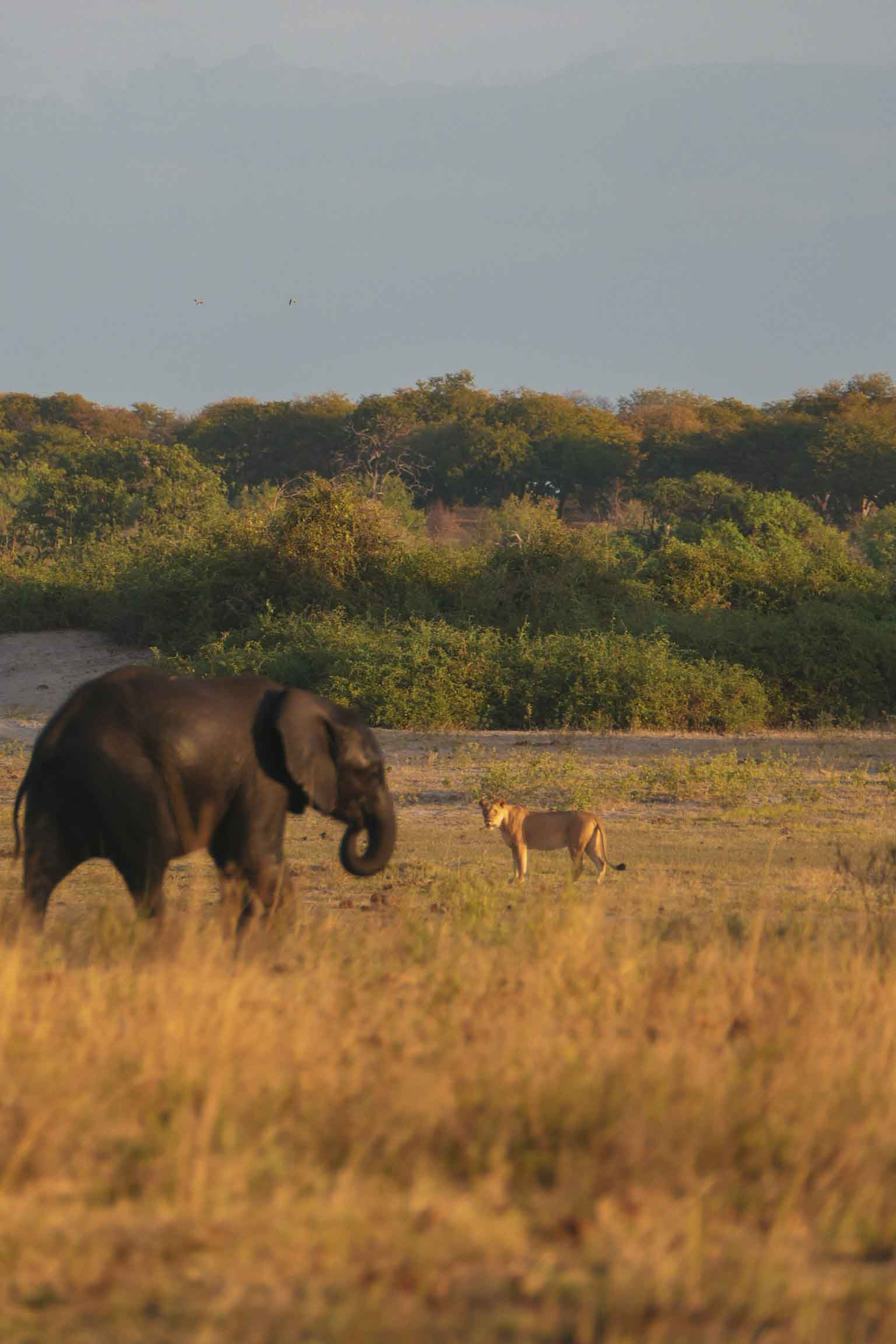
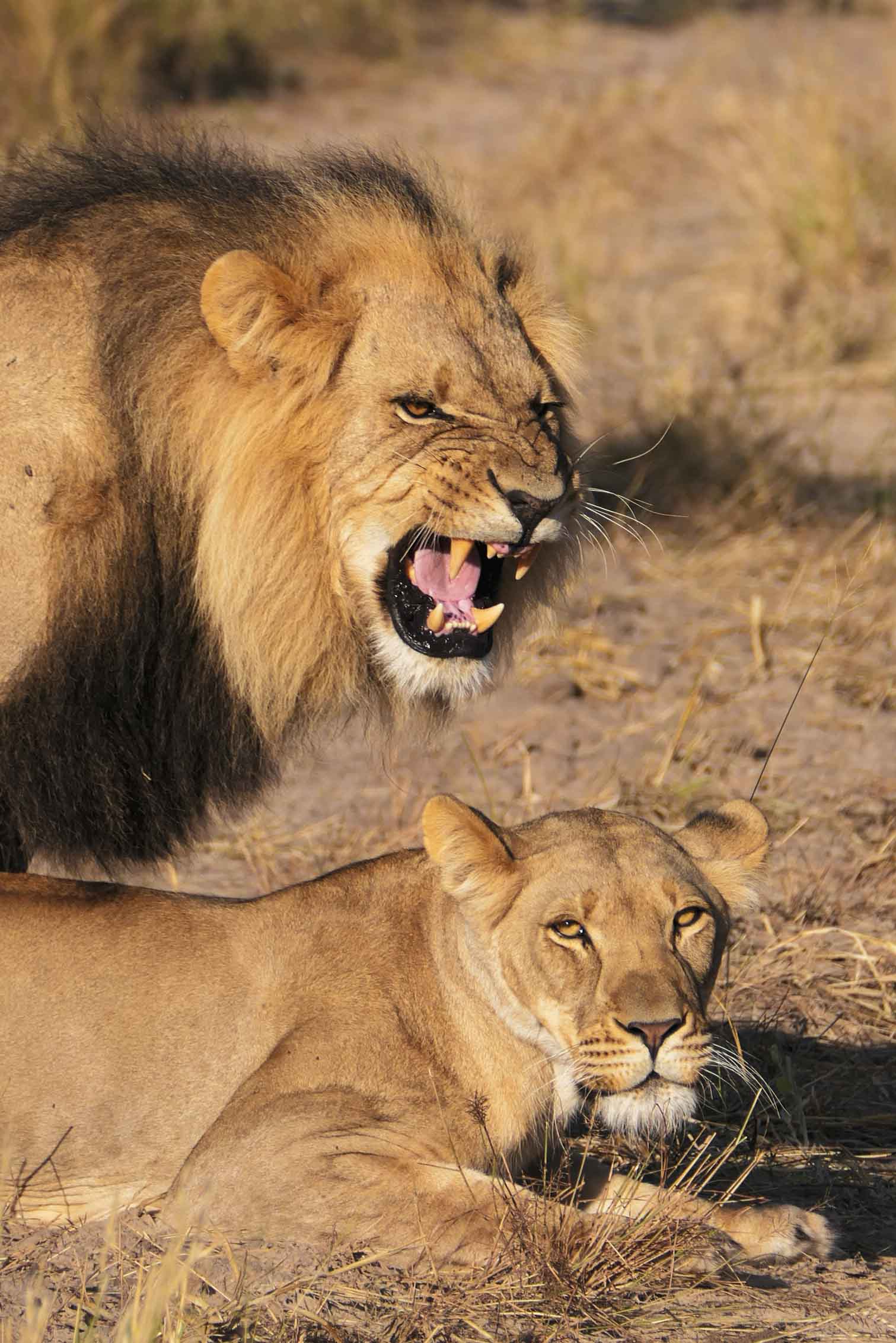
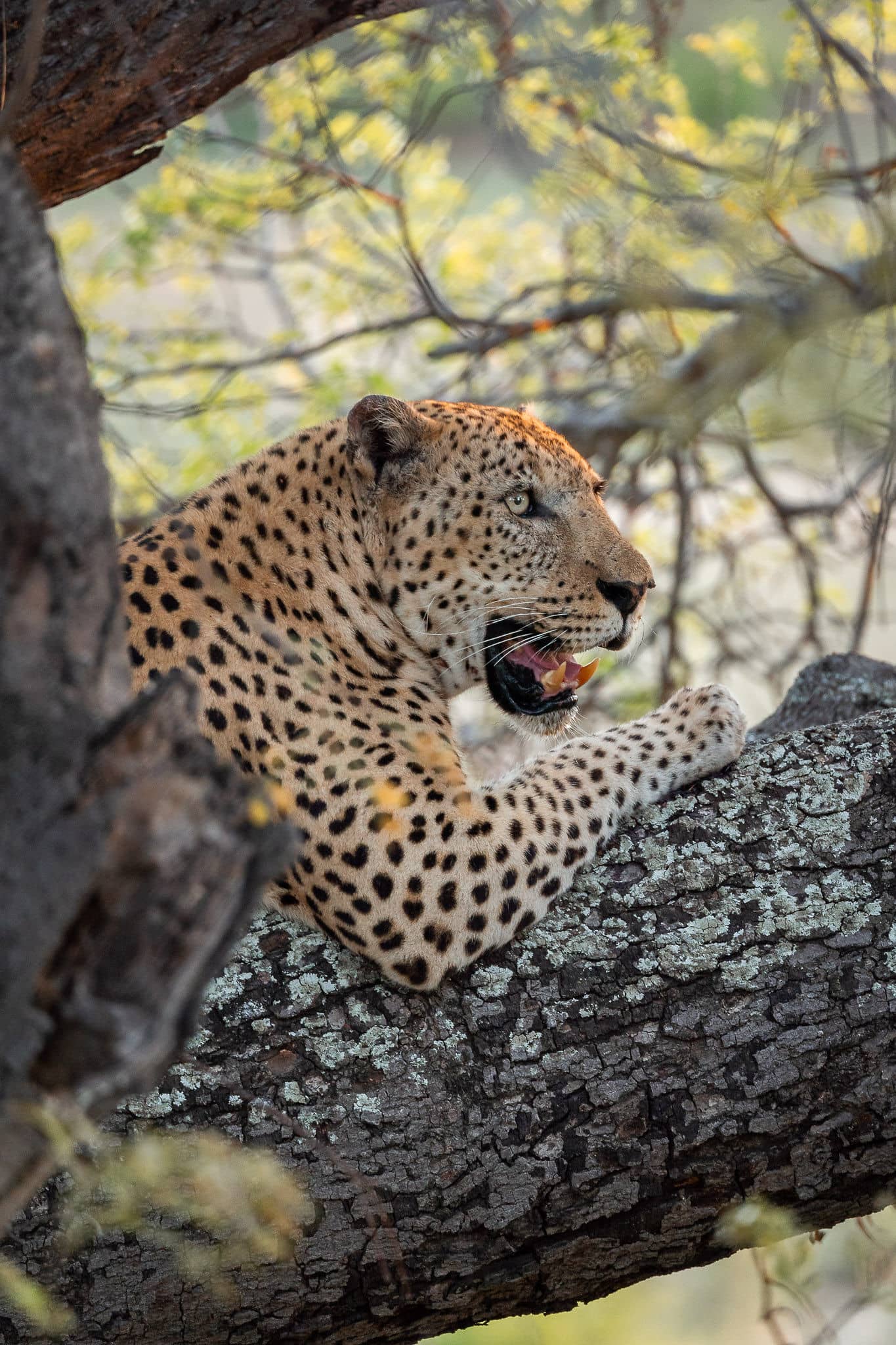
Savuti is known for its large population of lions and leopards. The lions here have built a reputation as elephant hunters, which is something you don't often see in Africa. During the dry season, when other prey is scarce, some lions here hunt young or weak elephants. It's a spectacular yet intense wildlife experience to witness this happening. Besides lions, you'll often find cheetahs hunting across the open plains and leopards retreating into the sparse trees.
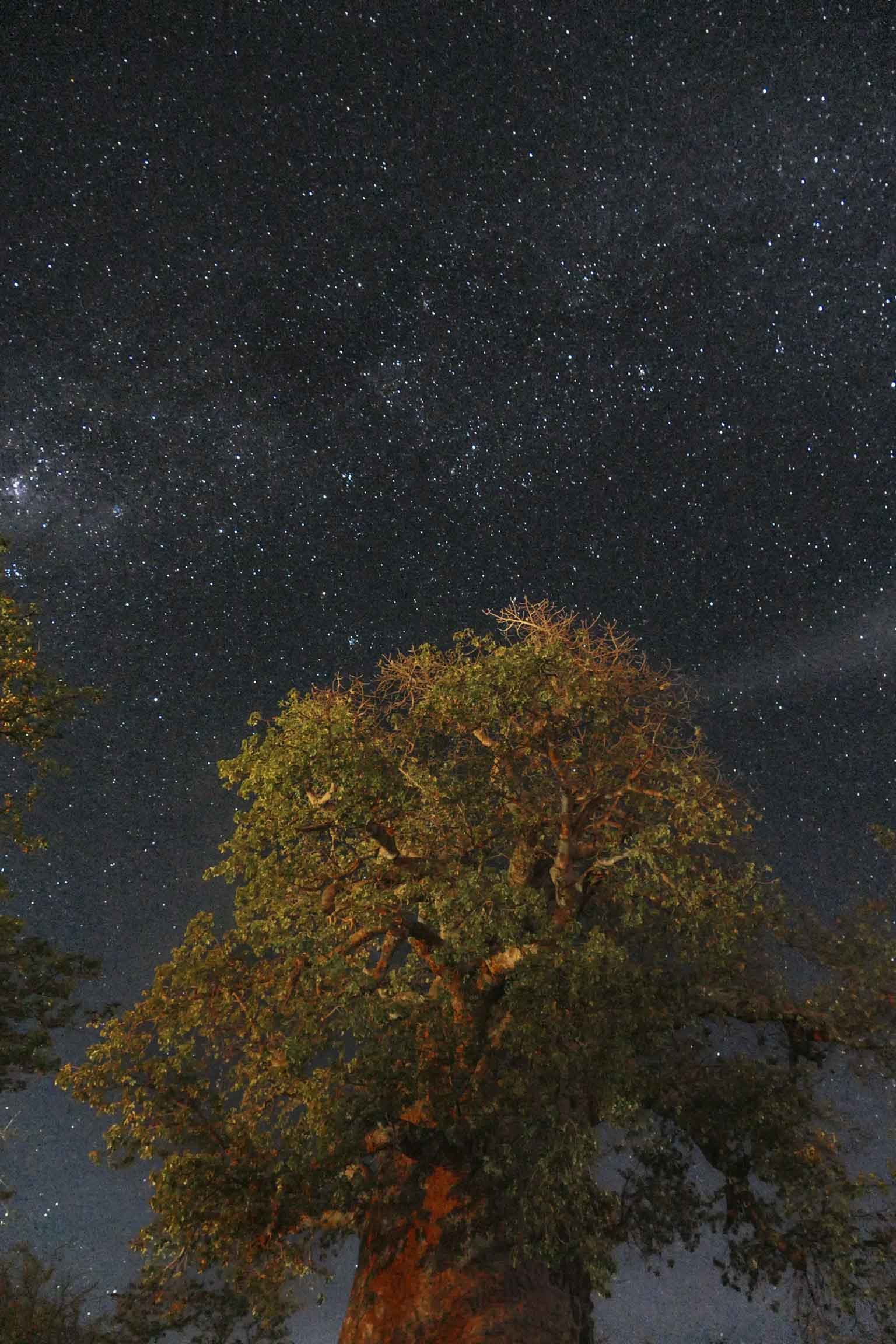
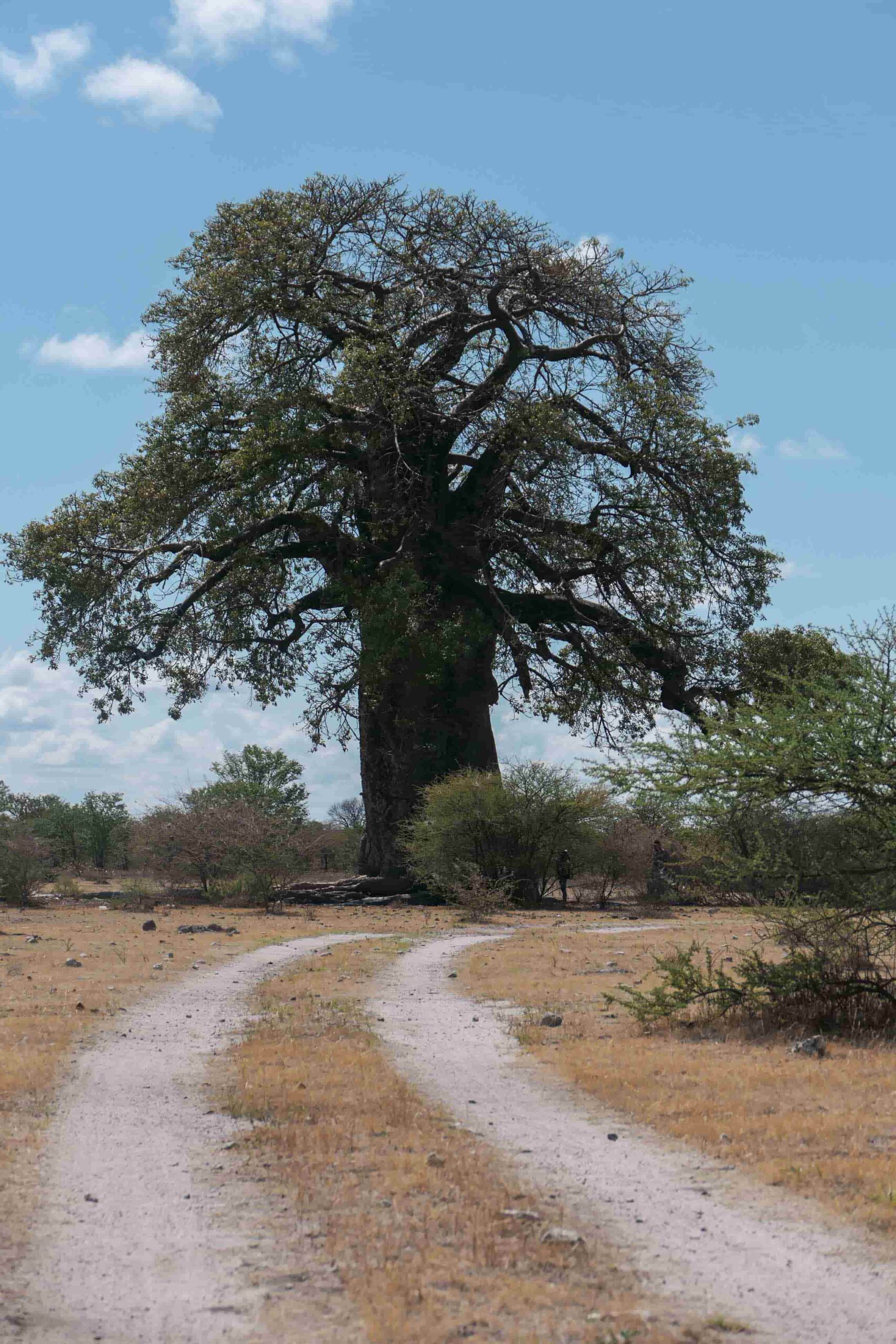
The Savuti Marsh attracts large herds of zebras and wildebeests during the rainy season, which in turn attracts predators. Buffalos are present here year-round in large numbers. A herd of a thousand buffalos crossing the plain is not uncommon. Hyenas closely follow the herds, always on the lookout for weak or young animals. In the park, you'll find not only animals but also some impressive baobab trees, characteristic of Botswana.
During your stay in Savuti with Botswana Nomads, you'll camp in the heart of the area. At night, you can hear lions roaring in the distance, hyenas howling, and elephants walking through the camp. It's rugged camping, but that's exactly what makes Savuti so unforgettable.
Chobe Riverfront: our favorite
The Chobe Riverfront is undoubtedly the busiest part of the park, and for good reason. This 50-kilometer stretch along the river attracts incredible numbers of wildlife, especially during the dry season (May to October). The river is the only permanent water source in the wide area at that time. Elephants come in huge numbers to drink and swim, buffalo graze along the banks, and predators lie in wait.
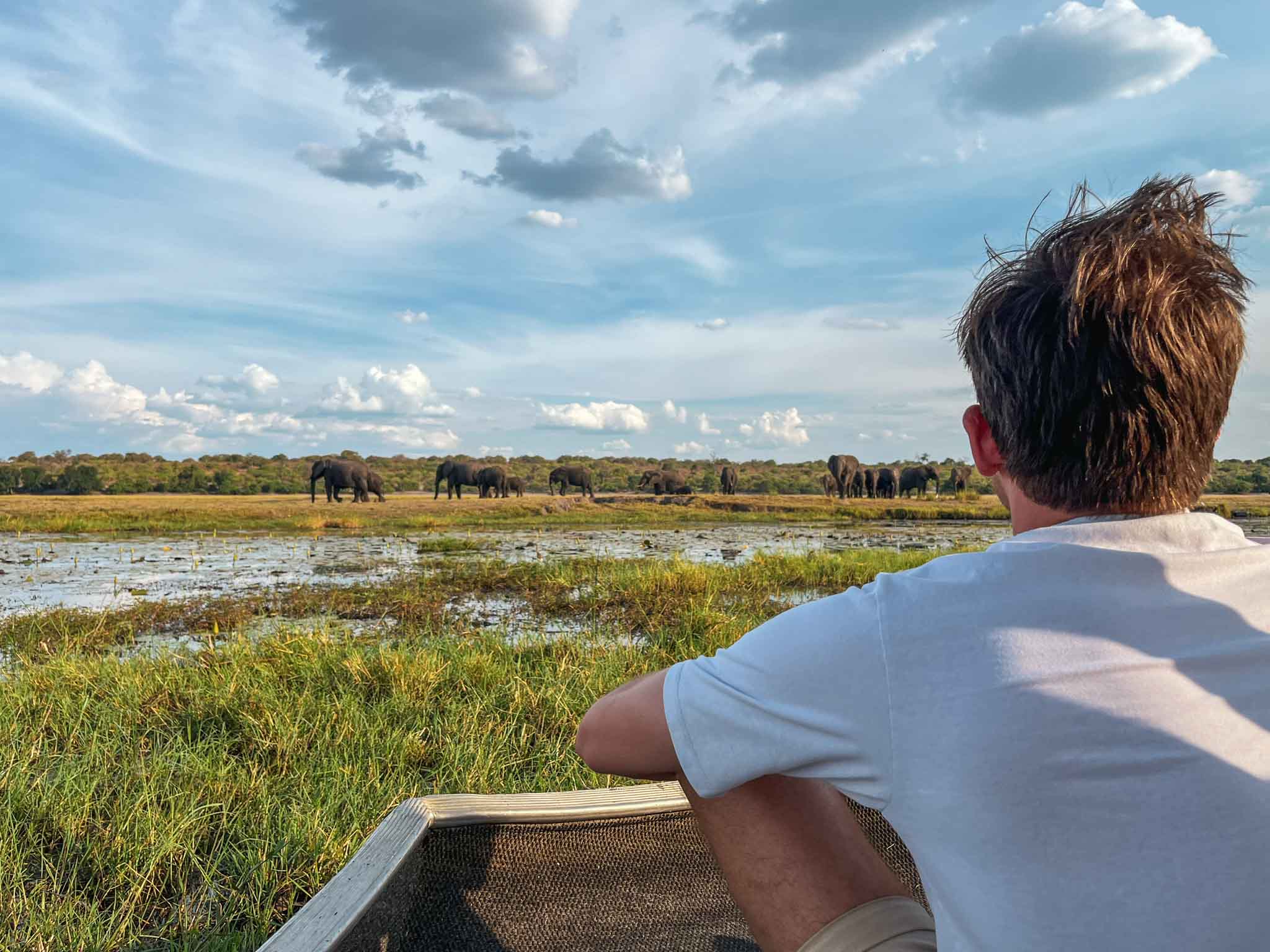
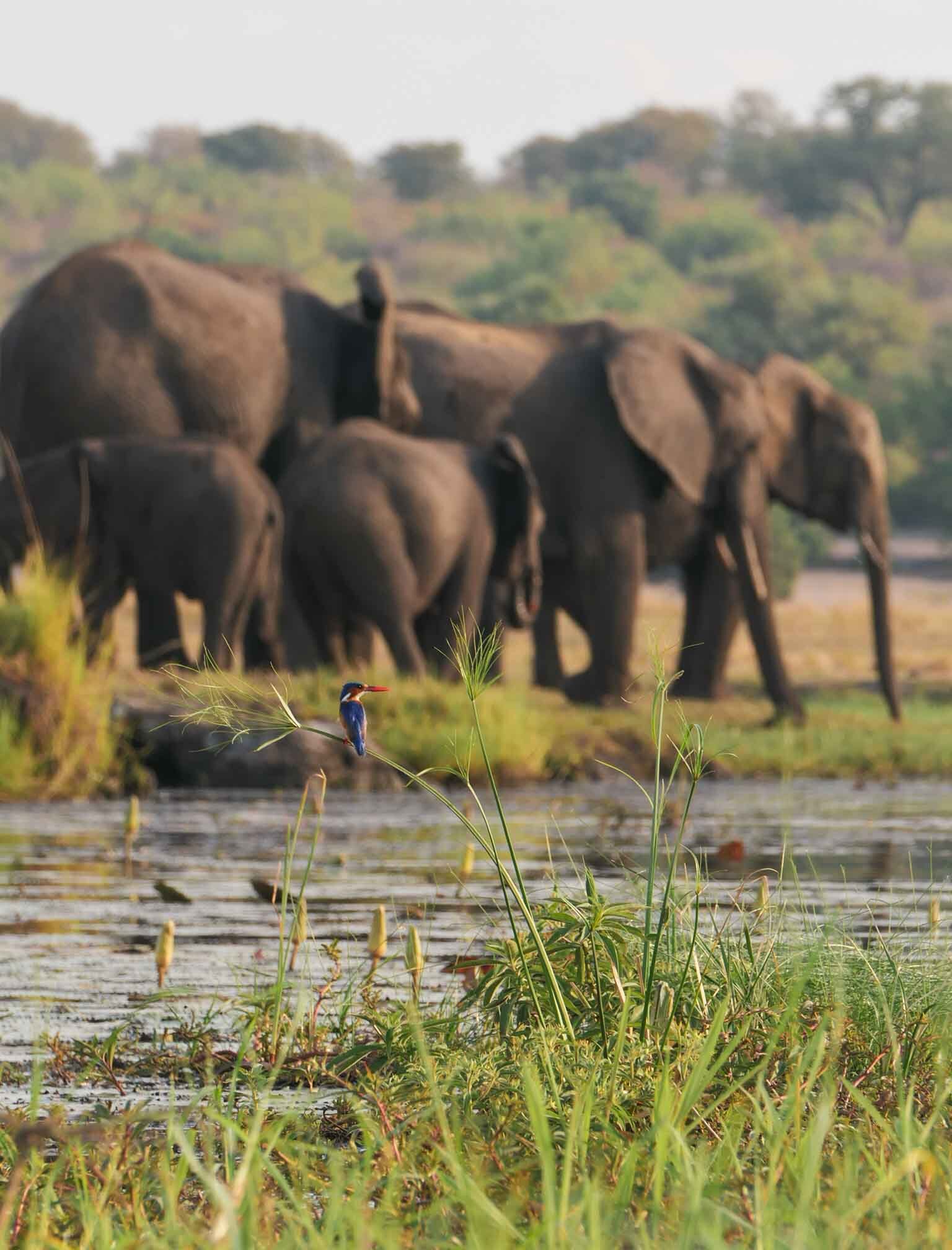
What makes this area so special is the combination of land and water. You can do a classic game drive along the river road, but you can also take a boat safari on the river itself. Boats depart daily from the nearby town of Kasane for a cruise on the Chobe River. During such a trip, you get very close to the animals. Elephants stand with their bellies in the water, hippos float around with just their ears and eyes above the surface, and crocodiles sunbathe on the mudbanks. Along the banks, you can see antelopes grazing, and birds are found here in huge numbers. The African fish eagle spectacularly dives down to catch a fish, carmine bee-eaters nest along the riverbanks, and you can hear the distinctive call of the African kingfisher.
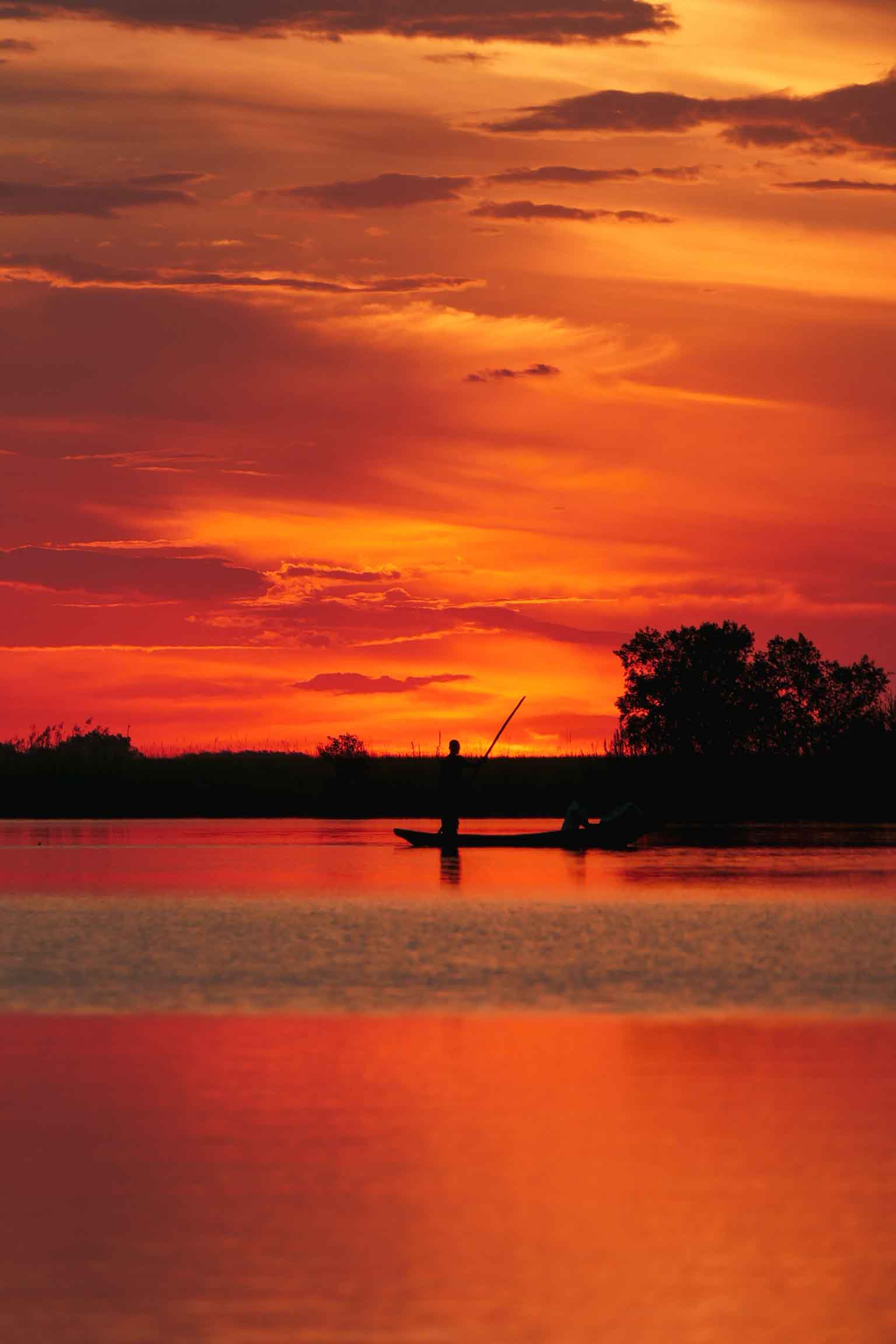
The river also forms the natural border between Botswana and Namibia. From the water, you can see both countries at the same time, giving the landscape an extra dimension. In the late afternoon, when the light softens and the sun hangs low on the horizon, this is one of the most beautiful places to photograph wildlife. The animals come in droves to the water for one last drink before night falls.
A boat safari and a land safari complement each other perfectly. From the water, you see animals from a completely different perspective and get closer to species that are usually shy of vehicles. From the car, you can drive deeper inland and explore areas that are not visible from the river.
The elephants of Chobe
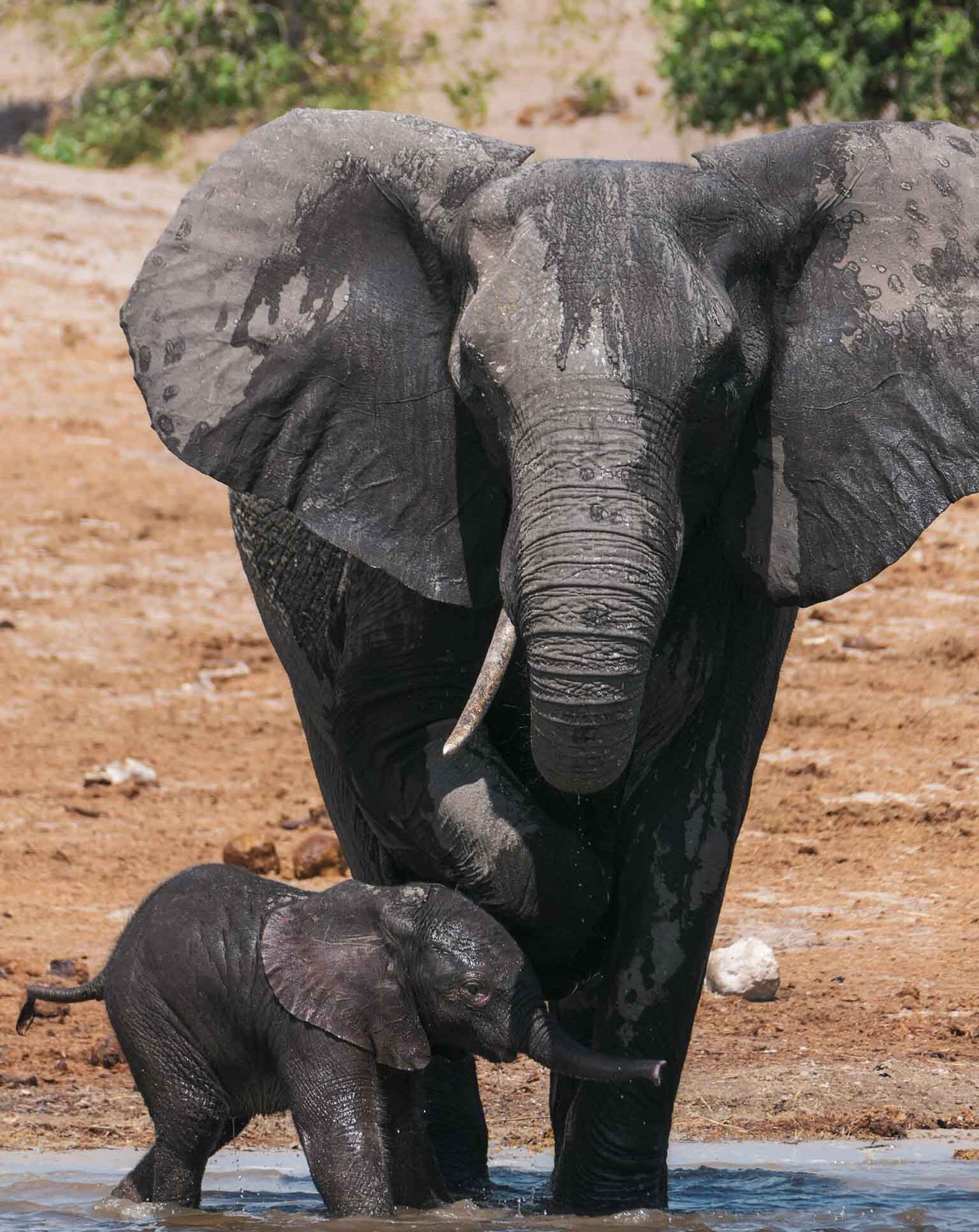
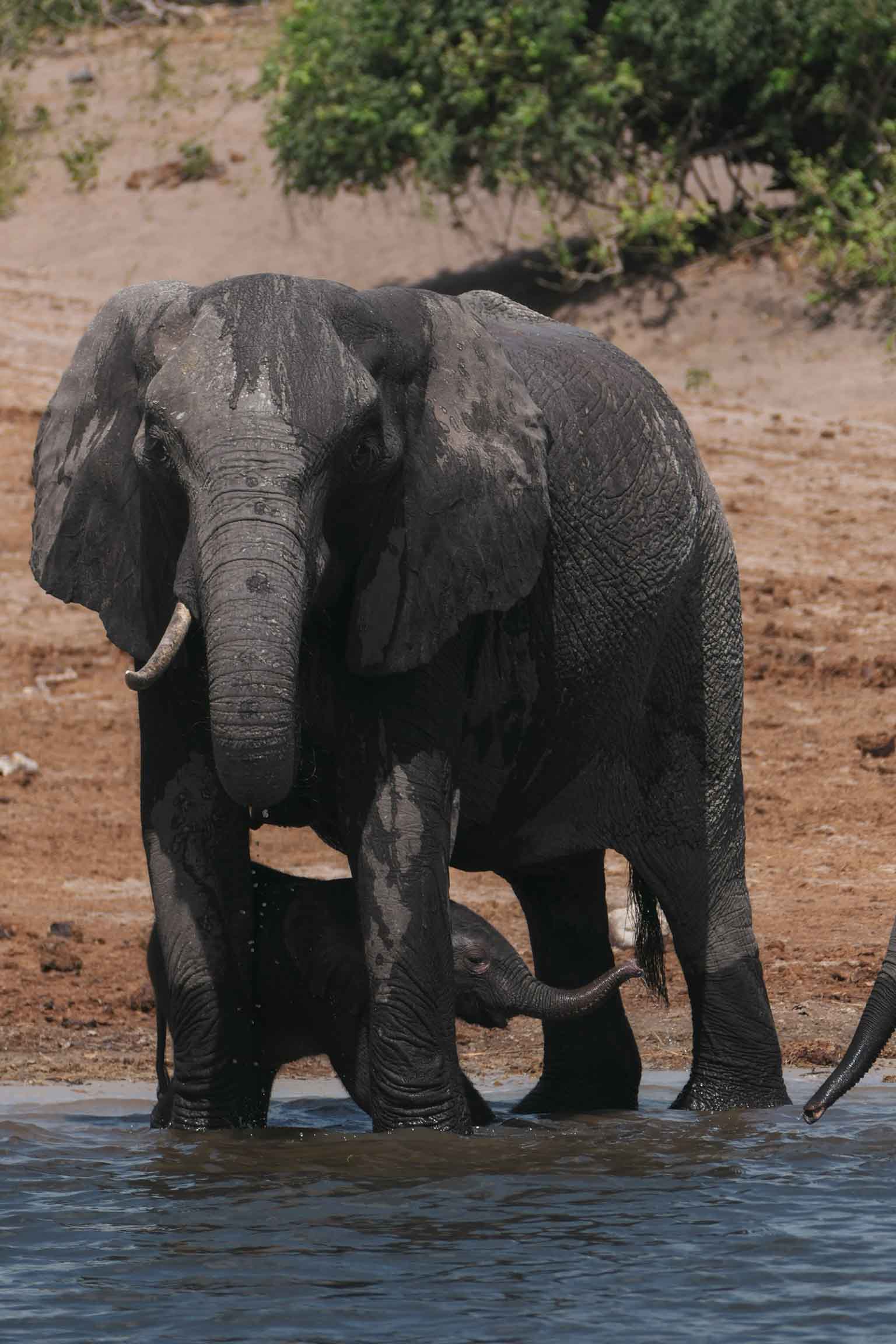
As mentioned earlier: Chobe is all about elephants. But what makes this population so special? First of all, it's the sheer number. Nowhere else in the world will you see so many elephants together as here. During the dry season, they gather at the Chobe River in groups that can sometimes number in the hundreds. You can see calves playing in the water, teenagers teasing each other, and old bulls with massive tusks grazing peacefully.
The elephants in Chobe are not afraid of water. In fact, they seem to absolutely love it. You can watch them swimming, splashing around, and spraying each other with their trunks. Young elephants learn to swim here under the watchful eyes of their mothers. It's a playful and relaxed side of elephants that you don't see everywhere in Africa.
Another notable aspect is the structure of the herds. Elephant families are led by a matriarch, an older, experienced elephant who guides the group to water and food. These families can consist of dozens of individuals, from newborn calves to old aunts. The older females protect the younger ones and share their knowledge about the best routes and safest spots.
Male elephants often live alone or in small groups of bulls. They only join the herds when a female is in estrus. You can recognize old bulls by their enormous size and impressive tusks. Some bulls in Chobe have tusks that reach the ground, a phenomenon that's becoming increasingly rare due to poachers elsewhere in Africa.
Elephants do have an impact on their environment. Due to their large numbers and appetites, they change the landscape. They strip trees of their bark, break off branches, and sometimes even pull entire trees down. This may seem destructive, but it also creates new habitats for other animals. Fallen trees provide food for insects, which in turn attract birds and small mammals.
Safari at your own pace
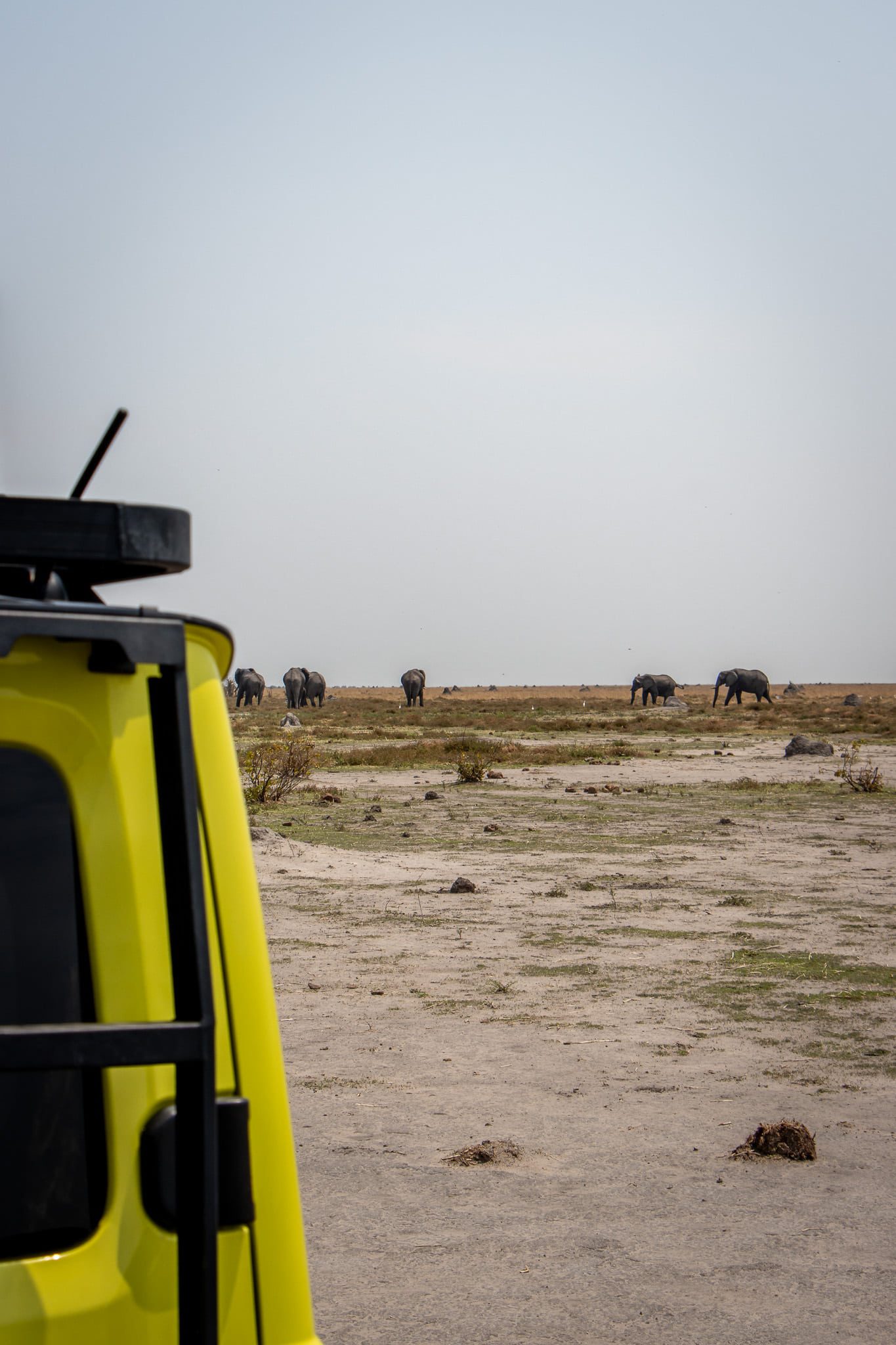
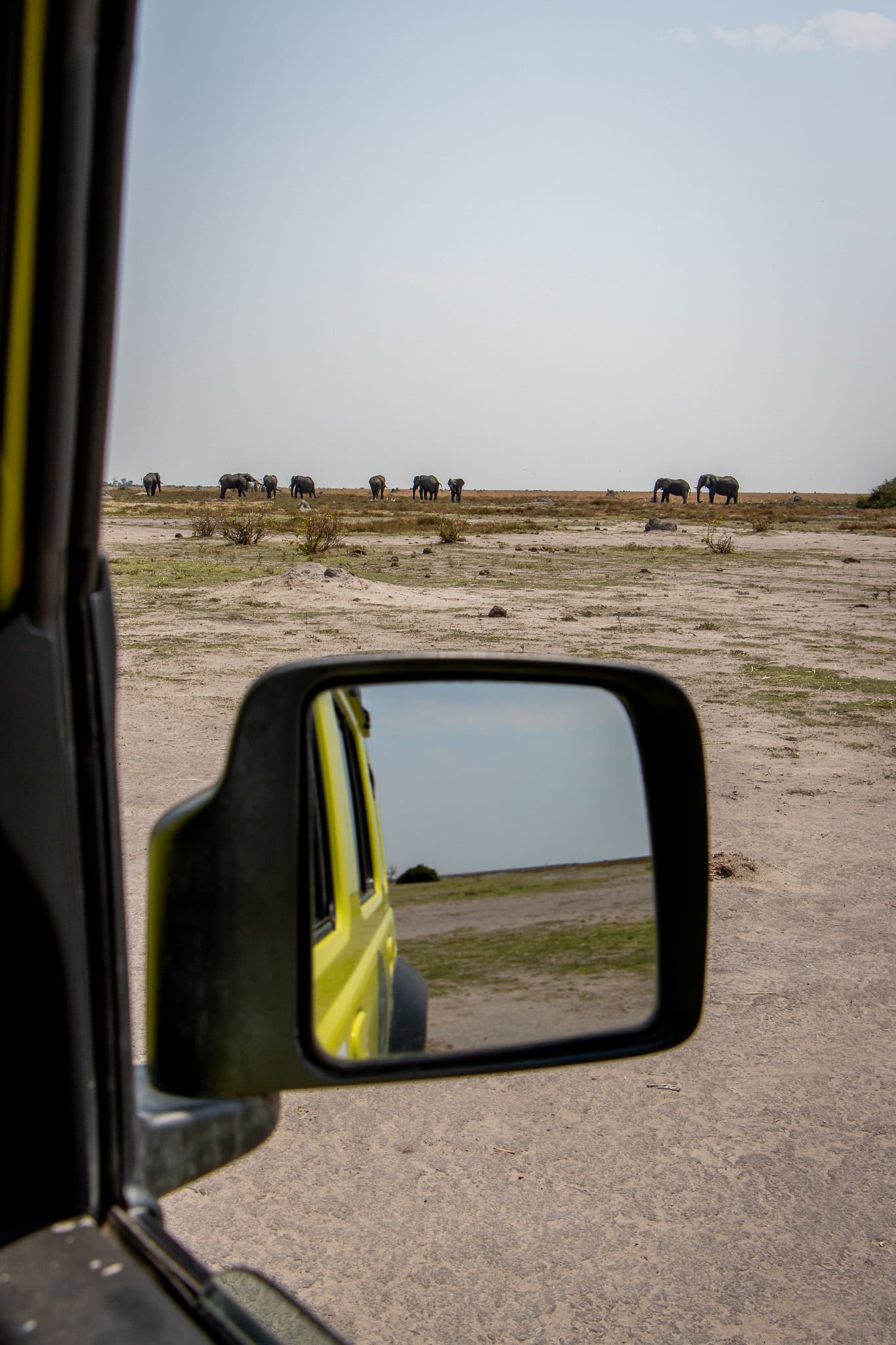
One of the advantages of Chobe National Park is that you can drive around on your own. Unlike some other parks in Botswana, you don't need a professional guide here. With Botswana Nomads, you'll drive in your own 4×4 with a rooftop tent through the park, setting your own route and pace. This gives you the freedom to stay as long as you want at an animal sighting or to take a turn down a side road that looks interesting.
The roads in Chobe range from well-maintained sandy tracks to rugged paths that really require a 4×4. Especially in Savuti, the routes can be challenging, with deep sandy sections and dry riverbeds that you need to cross. It makes for an adventurous experience. You truly feel like an explorer when you're driving through the bush with no other cars in sight.
However, it's important to respect the rules. Stay on the marked roads, don't drive at night in the park, and keep a safe distance from the animals. Elephants can be unpredictable, especially mothers with calves. If an elephant flares its ears and lifts its trunk, that's a warning that you're getting too close. It's time to calmly back away.
Before you head out on a game drive, it's smart to prepare well. Bring enough water, as it can get hot in the car. Binoculars are essential for spotting animals in the distance. Sunscreen, a hat, and good sunglasses will protect you from the intense African sun. And don't forget your camera; you’ll want to capture these moments.
The best times for game drives are early in the morning and late in the afternoon. Many animals are active then because it's cooler. During the hottest hours of the day, they retreat into the shade to rest. That means you'll often see less between twelve and three o'clock. Use that time to have lunch at your campsite or just relax for a bit.
Other residents of the park
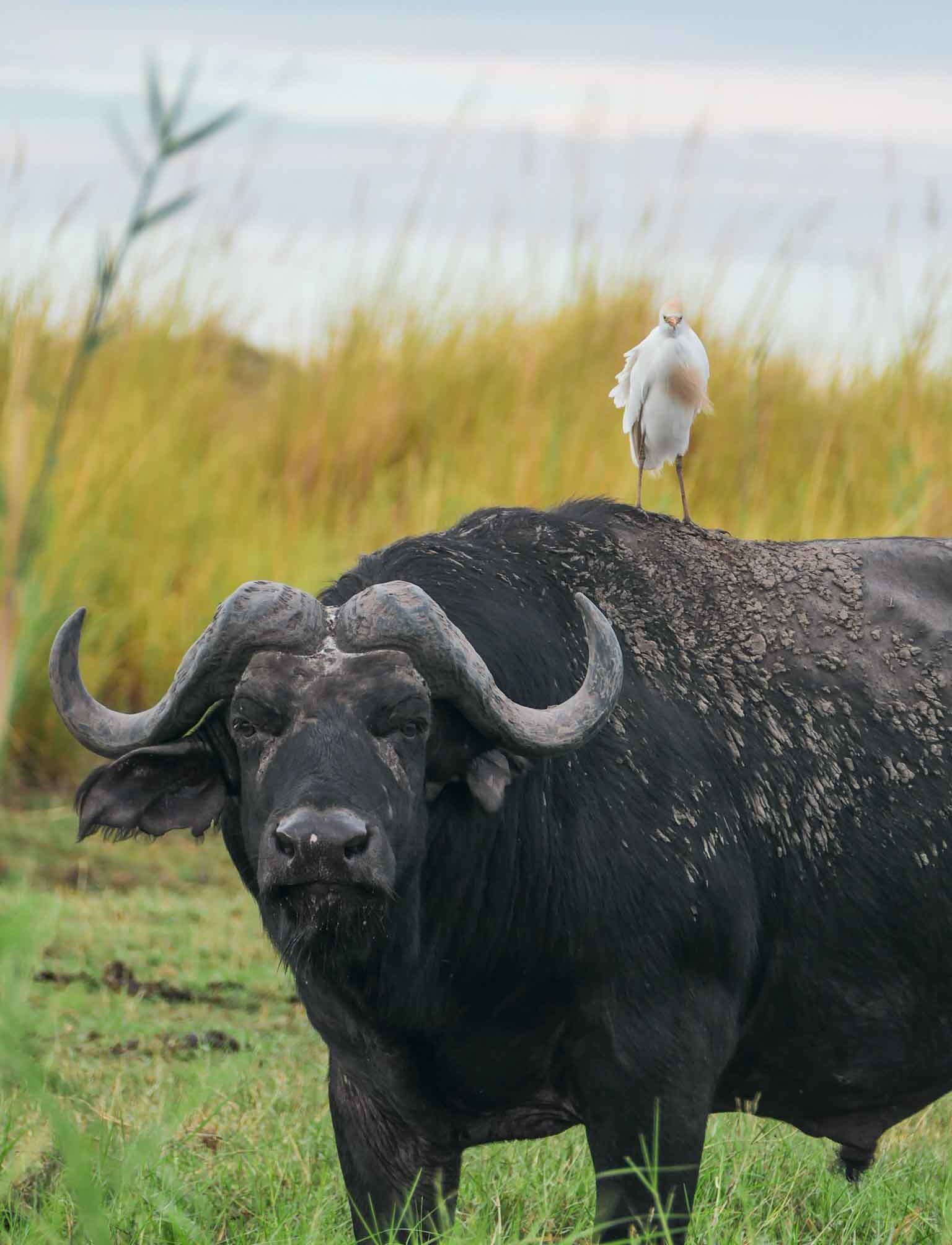
In addition to elephants and lions, Chobe National Park has so much more to offer. You'll see buffalo in enormous herds, sometimes more than a thousand animals together. These powerful grazers are impressive to watch, especially when the whole herd is on the move. Buffalo are known as one of the most dangerous animals in Africa, so it’s wise to keep a healthy distance.
Along the Chobe River, there are large numbers of hippos. These seemingly bulky animals are surprisingly dangerous and responsible for more human deaths in Africa than any other large mammal. From a boat, you can observe them well. They spend most of their daytime in the water to keep cool and come ashore at night to graze.
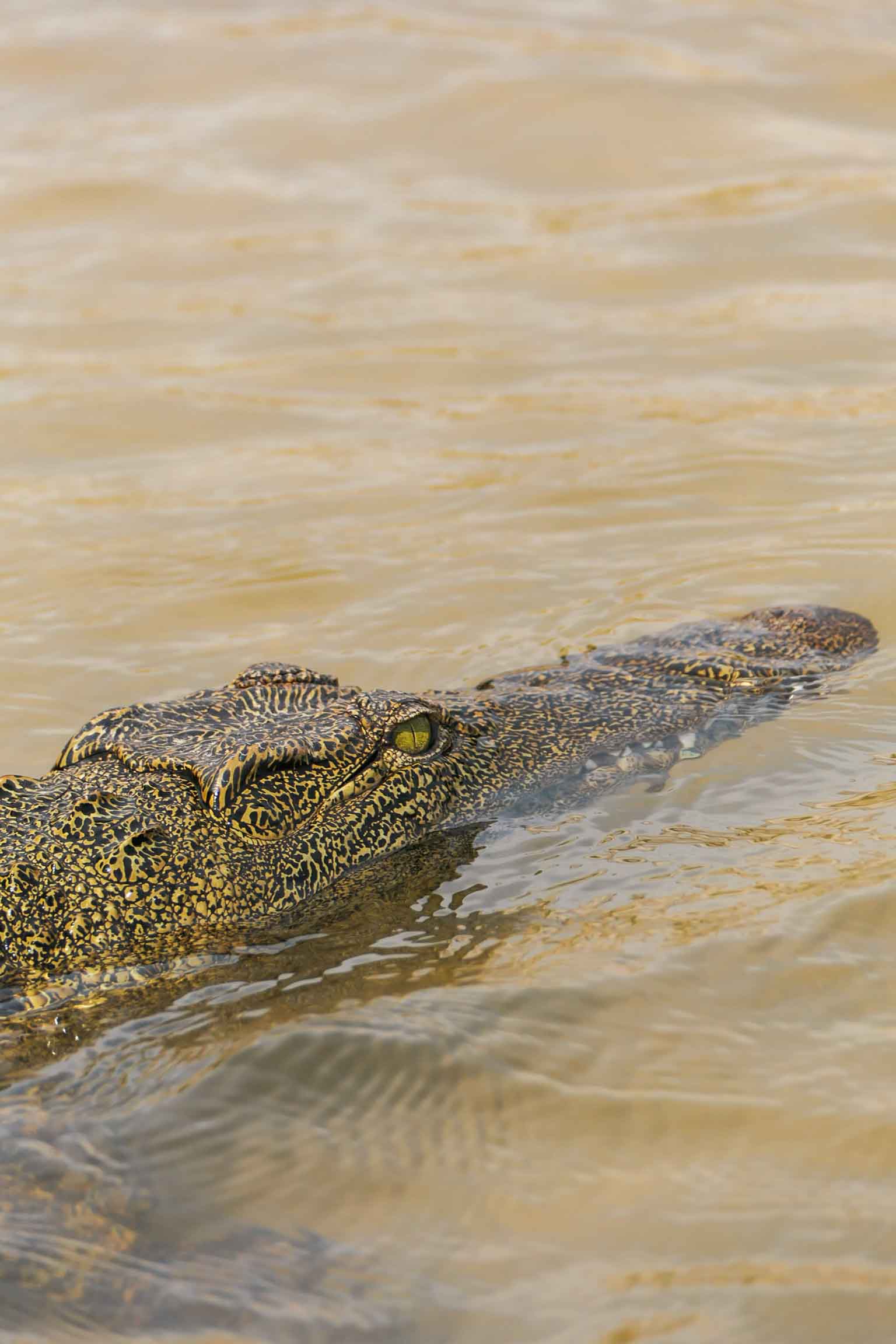
Crocodiles often lie motionless on the riverbanks. The Nile crocodile can grow up to six meters long and is a patient hunter. They sometimes wait for hours for an unsuspecting animal to come too close to the water. During a boat safari, you can regularly spot them, recognizable by their prehistoric appearance.
There are various species of antelope. The graceful impala, with its distinctive horns, is the most common. Herds of hundreds of animals graze along the riverbanks. Waterbucks can be recognized by the white ring on their rear, while kudu have long spiral horns. In Savuti, you can also encounter sable antelope, with their beautiful black coats and impressive backward-curving horns.
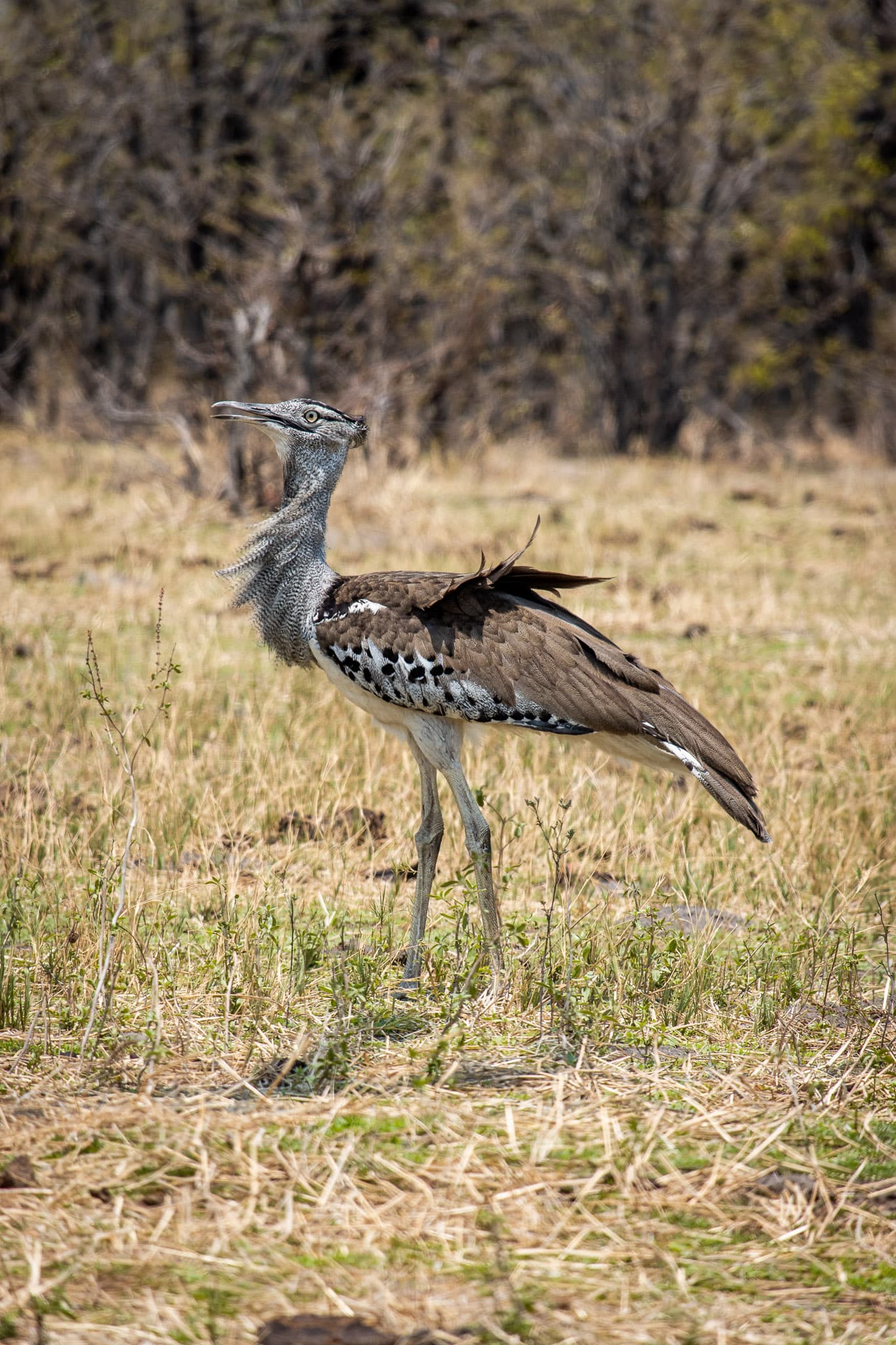
Birds are a world of their own in Chobe. More than 450 species have been recorded here. The African fish eagle, with its distinctive call, patrols above the river. Large groups of pelicans fish together in formation. Kingfishers in various colors perch on branches above the water. And during the rainy season, huge flocks of carmine bee-eaters come to Chobe to breed along the riverbanks.
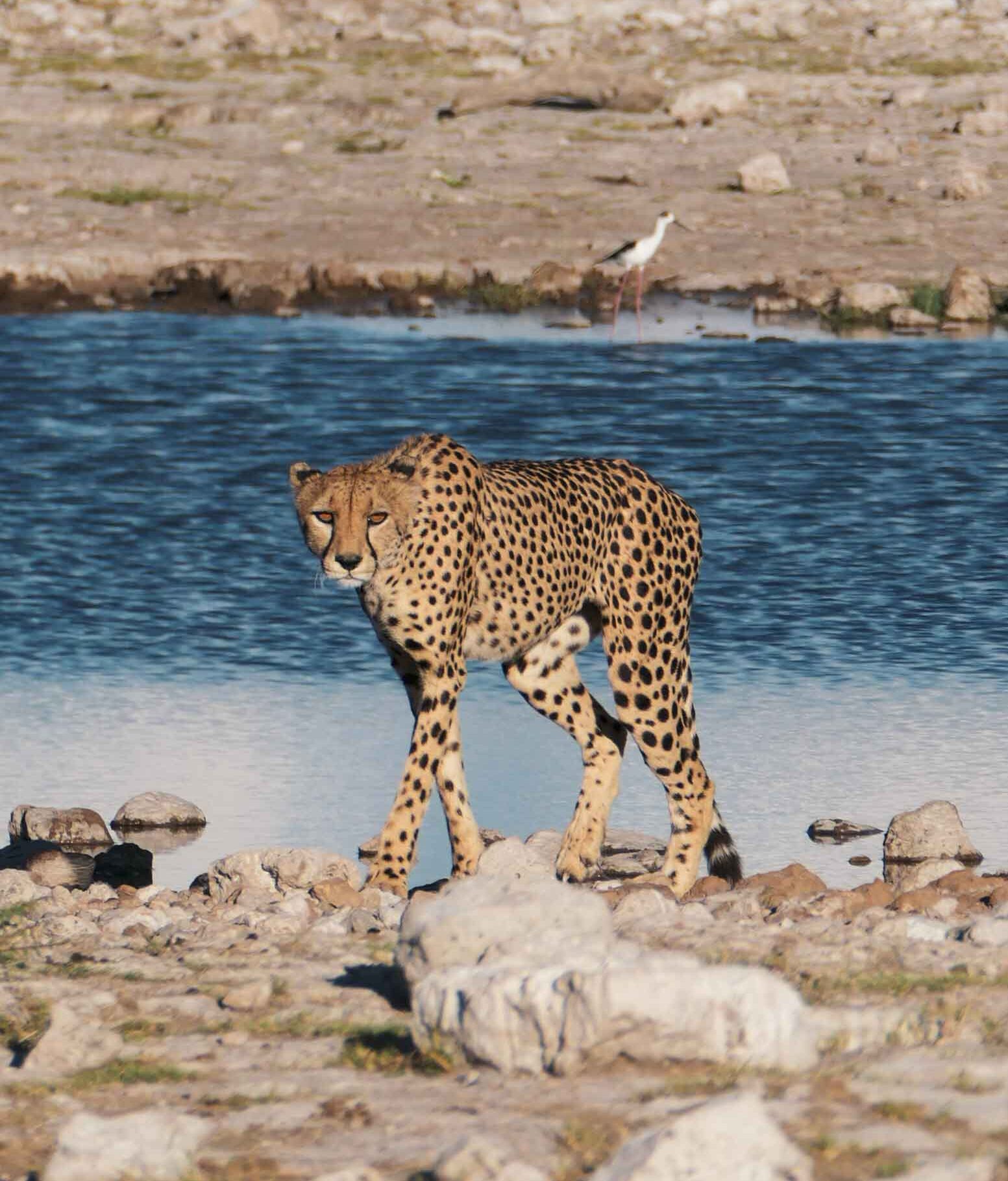
For those lucky enough, rarer sightings are also possible. Wild dogs can be found in Chobe, although they are difficult to spot as they cover large areas. Servals, small cats with long legs and big ears, hunt in the grasslands. And cheetahs patrol the open plains, especially in Savuti.
The different seasons
Chobe National Park changes drastically with the seasons. During the dry season from May to October, animals concentrate around the permanent water sources, especially the Chobe River. This is the best time for wildlife watching because the animals are predictable and easily visible in the sparse vegetation. It’s also the most popular time for visitors, so expect more people at the riverfront.
The rainy season runs from November to April. During this time, the landscape transforms. The dry, dusty plains turn green, wildflowers bloom, and temporary waterholes fill up. Animals spread out across the park because there’s water and fresh grass everywhere. This makes them harder to spot, but the scenery is at its most beautiful. Many animals give birth during this period, so you’ll see plenty of baby elephants, zebras, and antelopes.
For photographers, the dry season is ideal due to the clear skies and bright light. The rainy season offers dramatic cloudscapes and lush landscapes, but there's a higher chance of rain during your game drive. Both seasons have their charm; it all depends on what you’re looking for in your safari experience.
Practical information for your visit
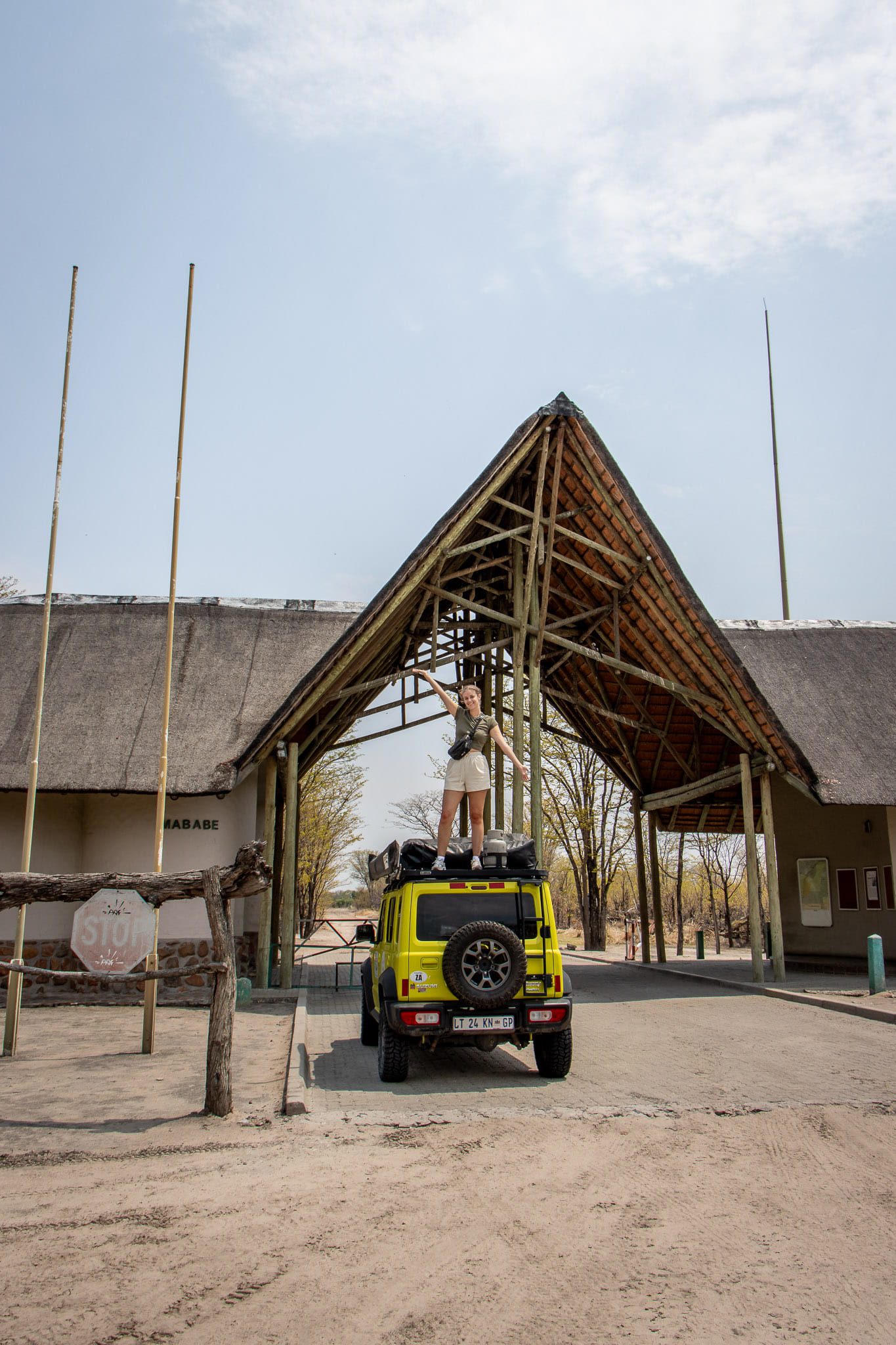
Chobe National Park is located in the northeastern part of Botswana, bordering Zimbabwe, Namibia, and Zambia. The nearest town is Kasane, which serves as the gateway. Kasane has shops where you can buy last-minute supplies before entering the park, as well as gas stations and restaurants. Coming from the other side? For example, from Maun? You can enter the park through the Mababe Gate. There’s a day entry fee to access the park, which you can pay at the various gates.
Inside the park, there are several campsites where you can stay overnight. In the Chobe Riverfront, you'll find campsites like Ihaha, which are well-equipped with amenities. In Savuti, the campsites are more basic but situated right in the wilderness. Some campsites have water and toilets, while others require you to be fully self-sufficient. Botswana Nomads arranges your accommodations to ensure you have a spot.
Malaria is present in this area, especially during and after the rainy season. Use anti-malaria medication and protect yourself from mosquitoes with long clothing in the evening and a good insect repellent. Consult a travel doctor for advice before you leave.
The park does not have supermarkets or restaurants. You need to bring everything you need with you. Make sure to have enough water (at least 3 liters per person per day), non-perishable food, and a good cooler. You can stock up on everything in Kasane before entering the park.
Your Chobe adventure with Botswana Nomads
A visit to Chobe National Park is one of the highlights of the road trip through Botswana with Botswana Nomads. You'll be driving your own 4x4 with a rooftop tent from Johannesburg to the north, through the heart of Botswana. After Maun, you'll stay in Khwai, a private reserve bordering the Moremi Game Reserve. From there, you'll drive to Savuti, where you'll camp right in the middle of Chobe National Park.
In Savuti, you'll do self-guided game drives and experience the rugged beauty of this legendary area. From Savuti, you'll continue to Muchenje on the edge of Chobe Forest Reserve, and then to Kasane. In Kasane, a boat cruise on the Chobe River is included to complete your Chobe experience.
The route is designed to give you the best combination of self-driving through the park and guided activities. You have the freedom of a road trip but with the assurance of pre-booked campsites and a planned route. Along the way, you'll travel with other Botswana Nomads travelers, creating a sense of adventure and community.
Other highlights of the trip include the legendary Elephant Sands, where elephants literally visit your campsite, and the Makgadikgadi Pans, vast salt flats that showcase a completely different landscape. You can also take a trip to the famous Victoria Falls in Zimbabwe. Chobe National Park is the wildlife highlight of the trip, the place where you're guaranteed to see large numbers of animals and perhaps have your most memorable safari experiences.