8 highlights in Botswana for your bucket list
Botswana is the ultimate safari destination in Africa!The country is known for its vast landscapes filled with wildlife, the impressive Okavango Delta, and enormous salt pans.Botswana is all about nature. Here, you can spot large herds of elephants, listen to the sounds of the night from hippos, and navigate waterways where crocodiles swim.Botswana definitely deserves a spot on your bucket list!In this blog, you’ll read about the highlights that you really shouldn’t miss.
Discover Botswana in the most authentic way with Botswana Nomads. In your own 4x4 with a rooftop tent, you’ll traverse the most beautiful national parks. Read this blog for all the details on the perfect route for your 4x4 adventure.
Top tips from our team
- Wear neutral clothing during your safari so you don't scare off the animals
- Make sure you always have enough fuel in the tank for remote routes
- Bring a good camera, because you'll definitely want to capture the whole trip
1. Chobe National Park
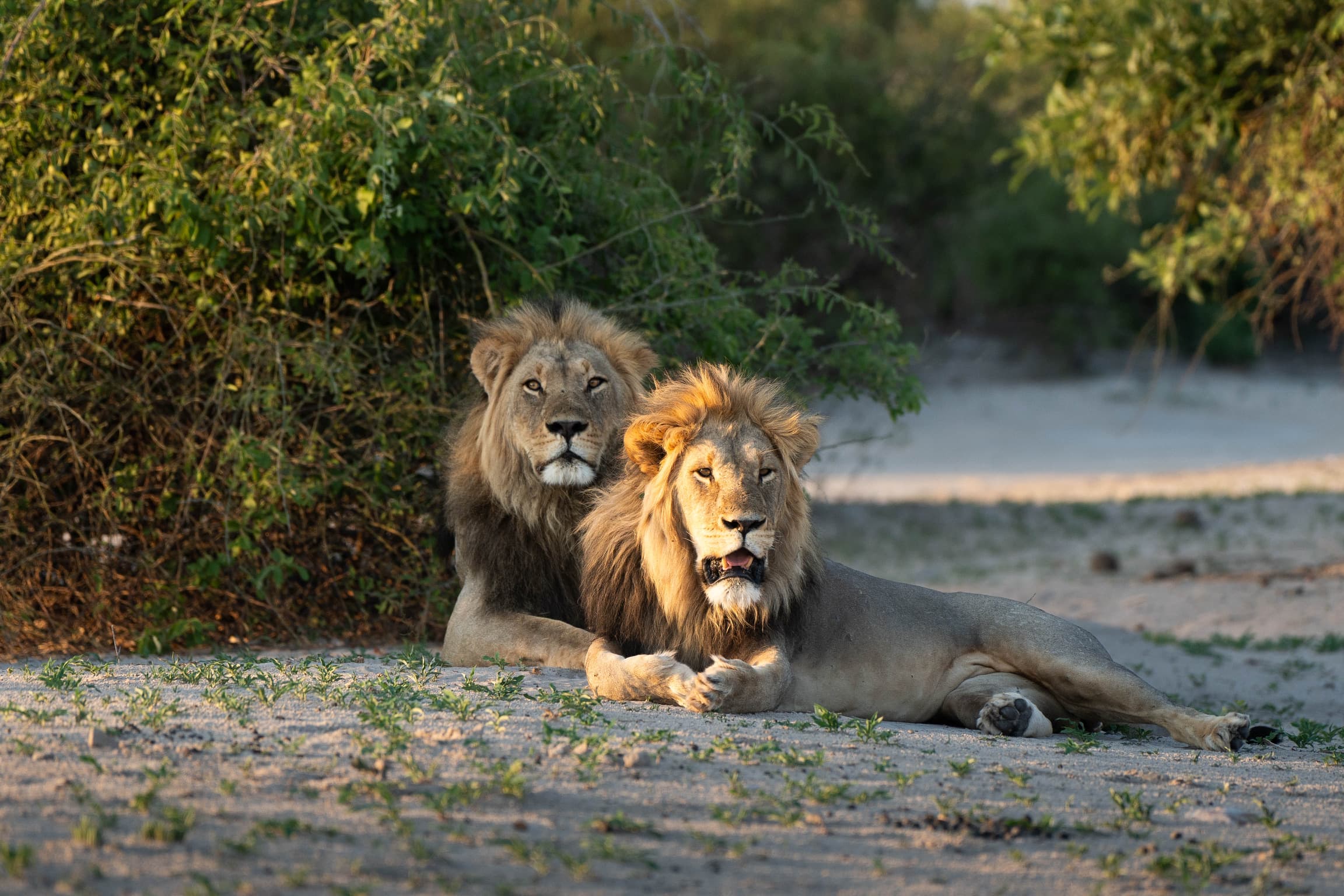
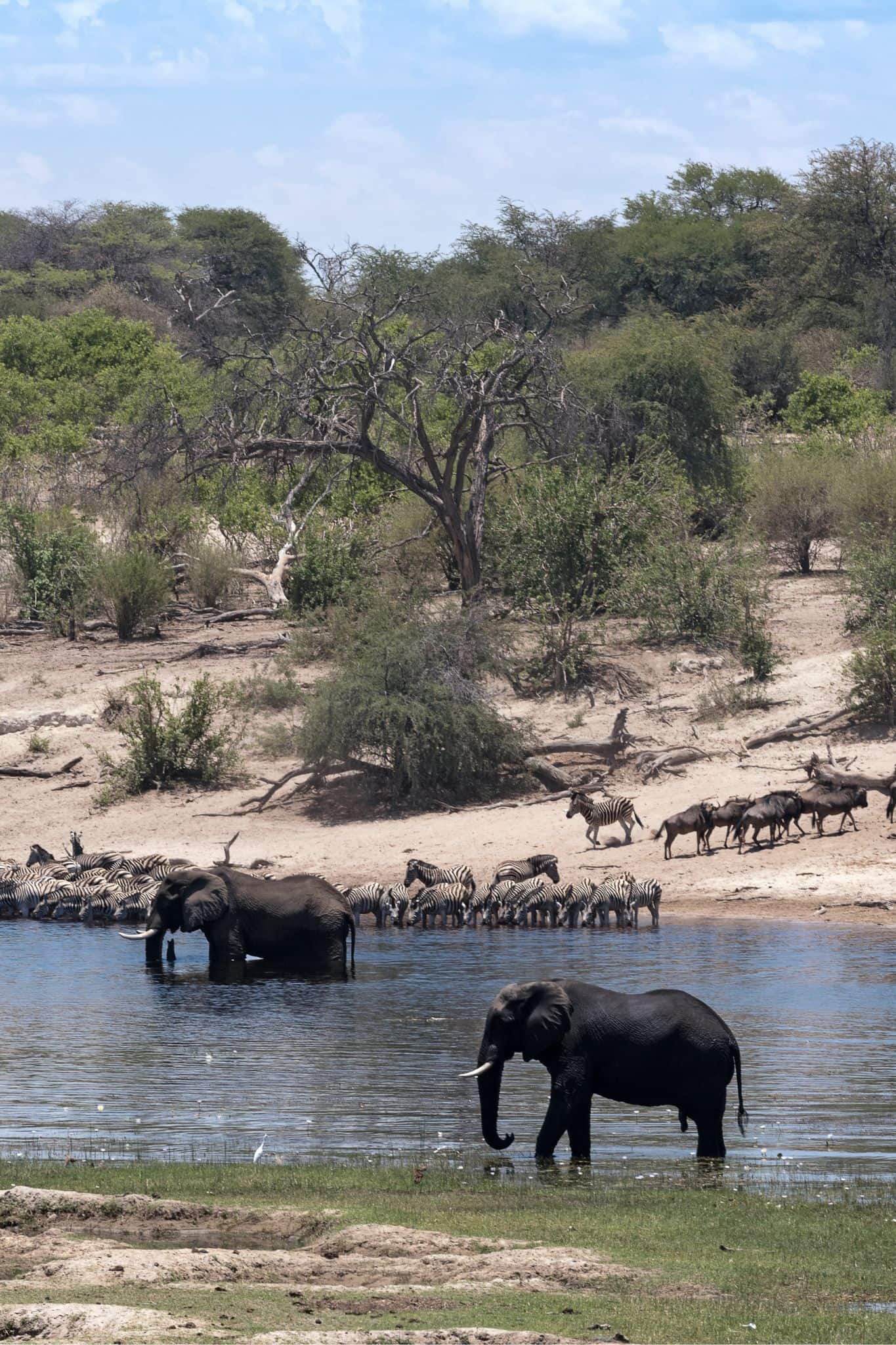
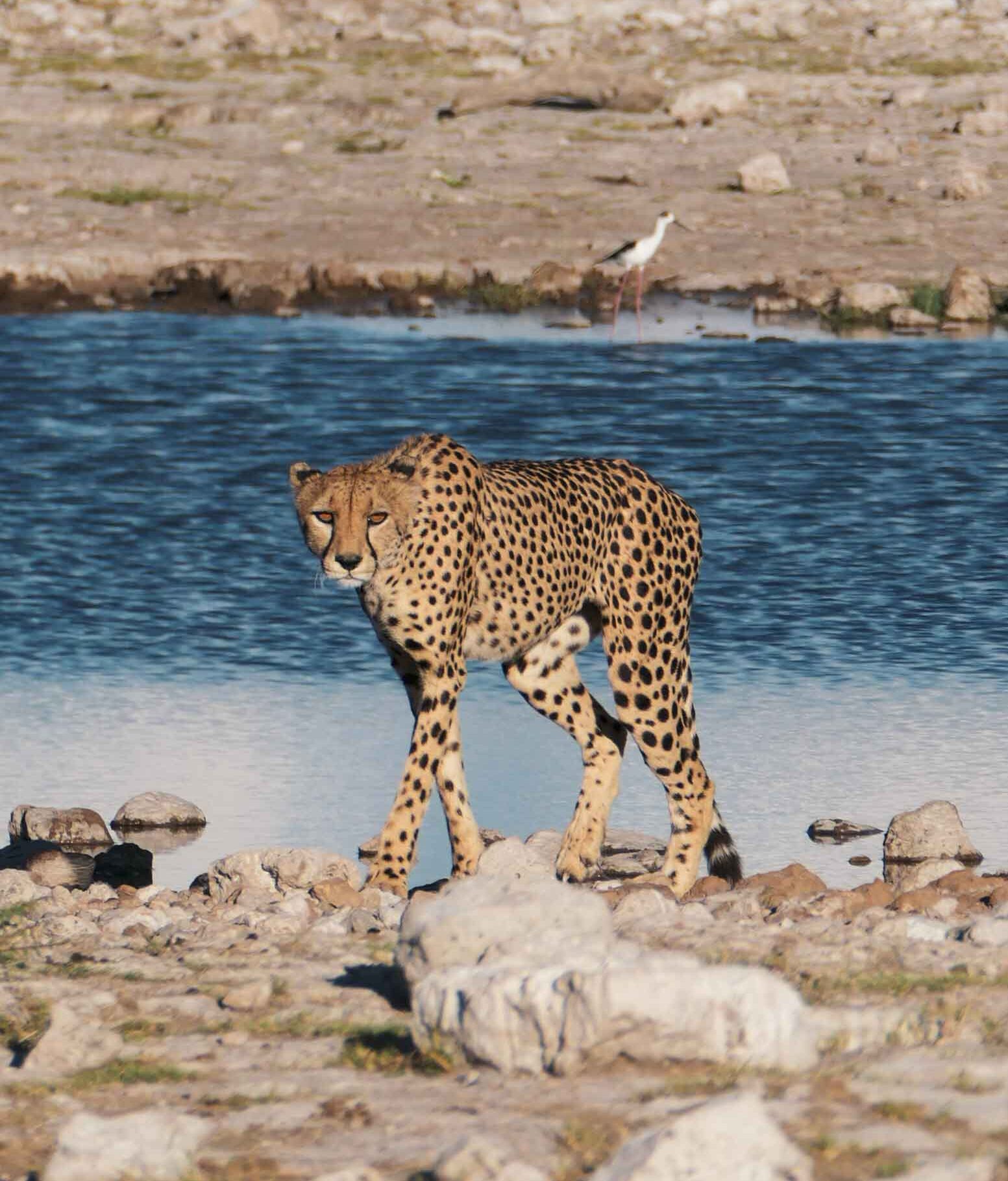
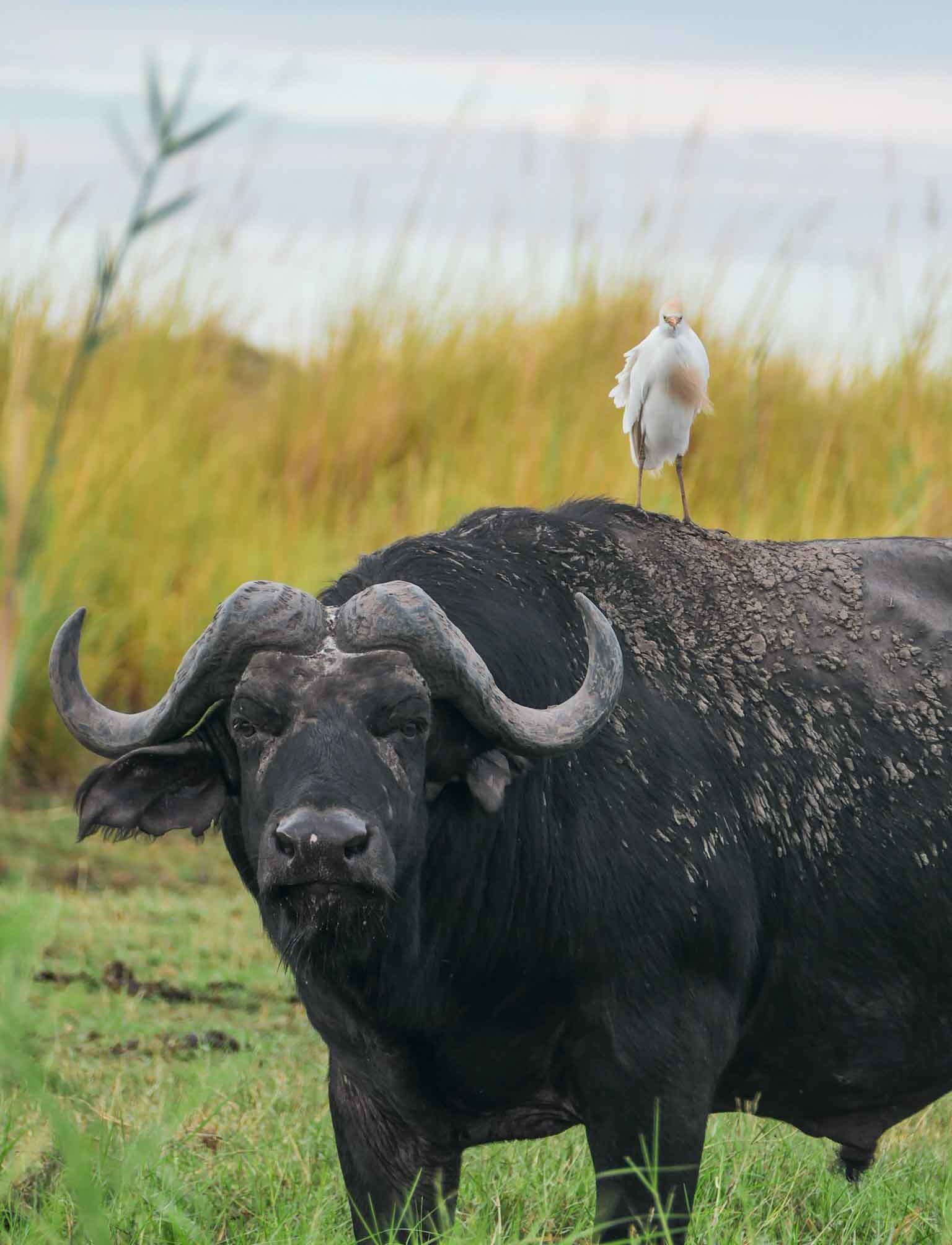
Chobe National Park is one of the most famous wildlife parks in Botswana. The park covers 11,700 square kilometers, making it the third largest park in the country. Chobe has the highest concentration of elephants in Africa, estimated to be between 50,000 to 120,000 animals. The park consists of four areas: Chobe Riverfront, Savuti Marsh, Linyanti Marsh, and Nogatsaa, featuring various ecosystems, including river areas and dry savannas. Thanks to this diversity, many different species live here, including lions, buffalo, zebras, and countless bird species.
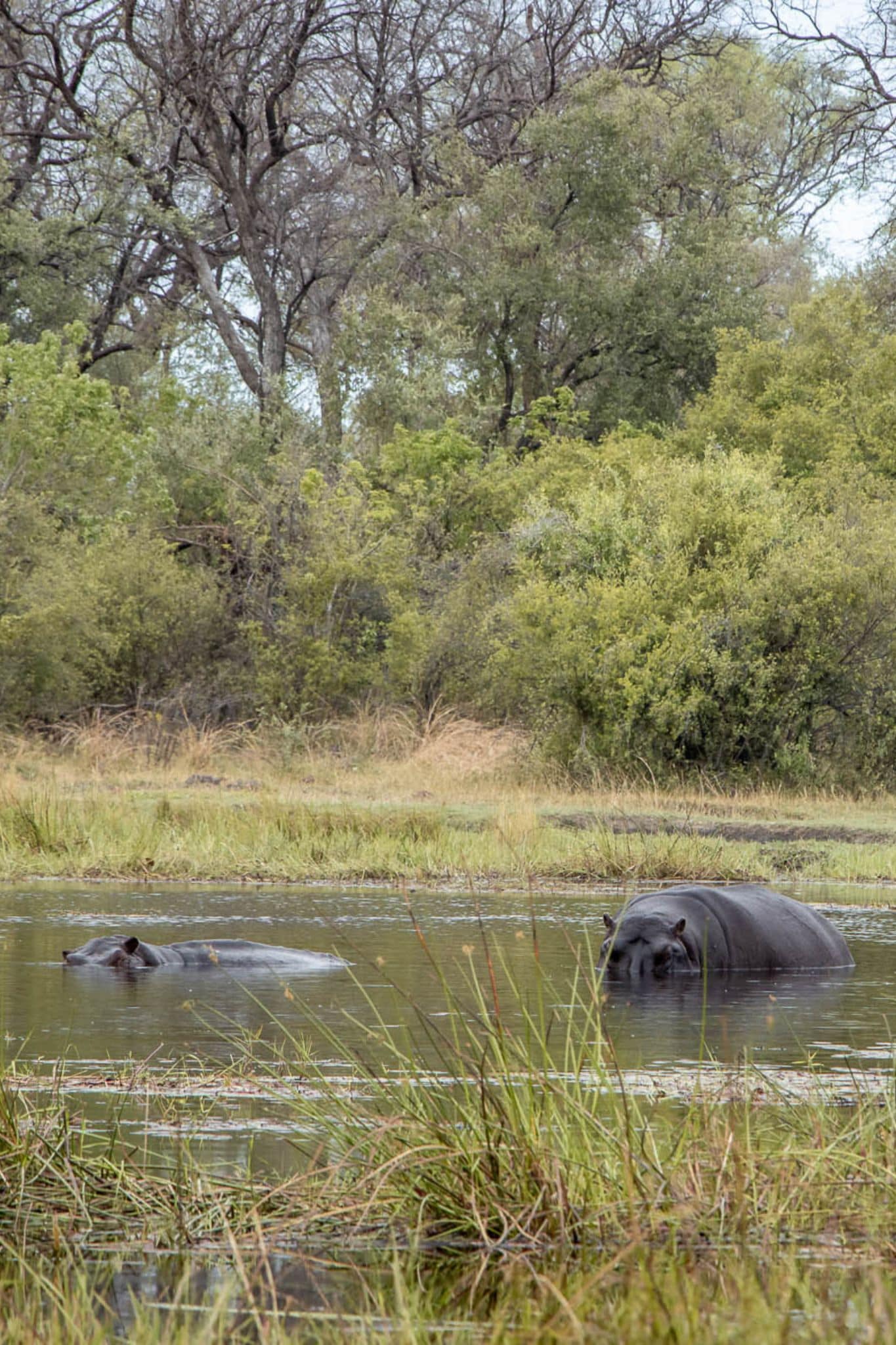
The park is famous for its boat cruises on the Chobe River. During a trip, you'll see hippos, crocodiles, and other animals appearing along the shore. It’s one of the best ways to experience the nature of Botswana.
2. Okavango Delta
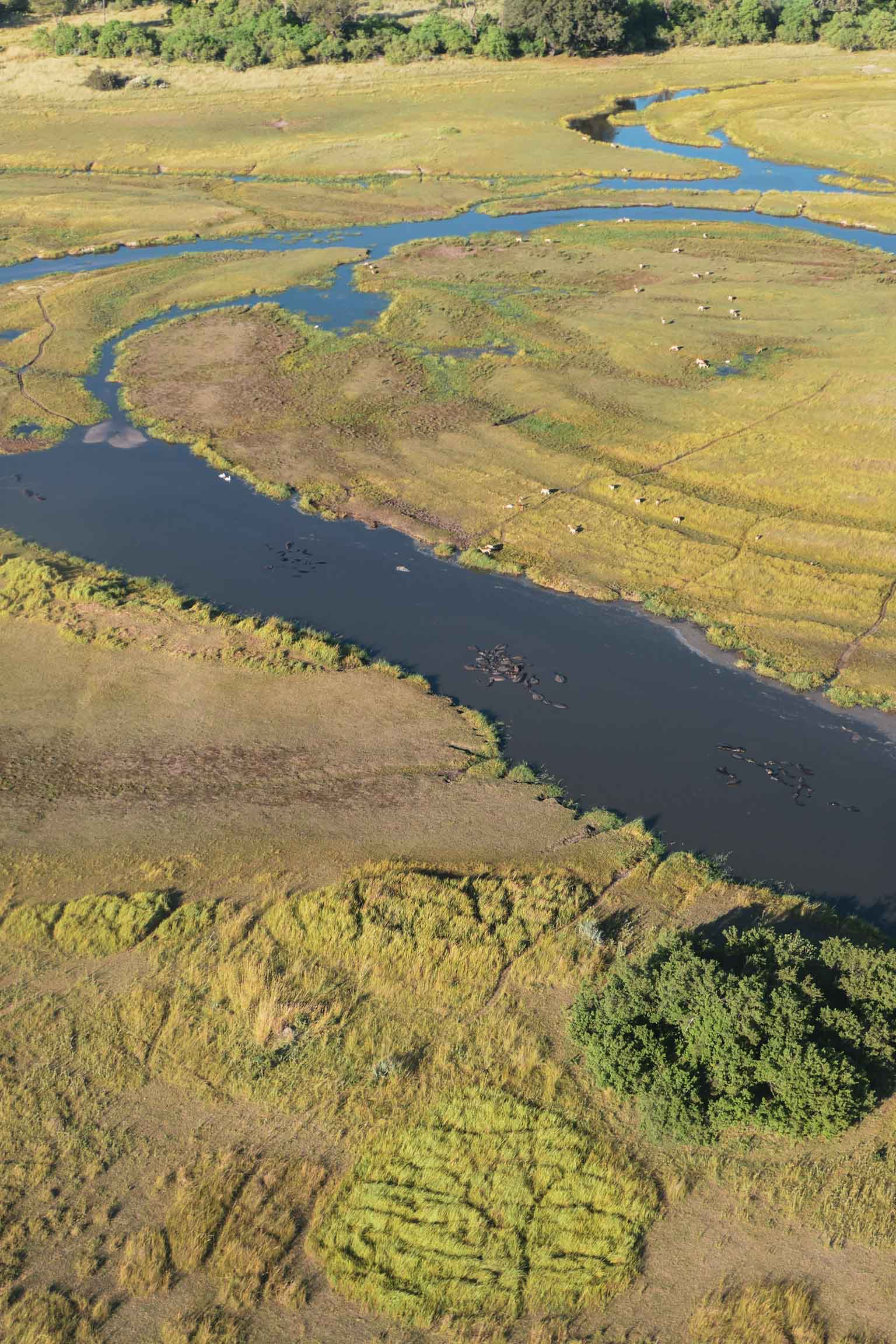
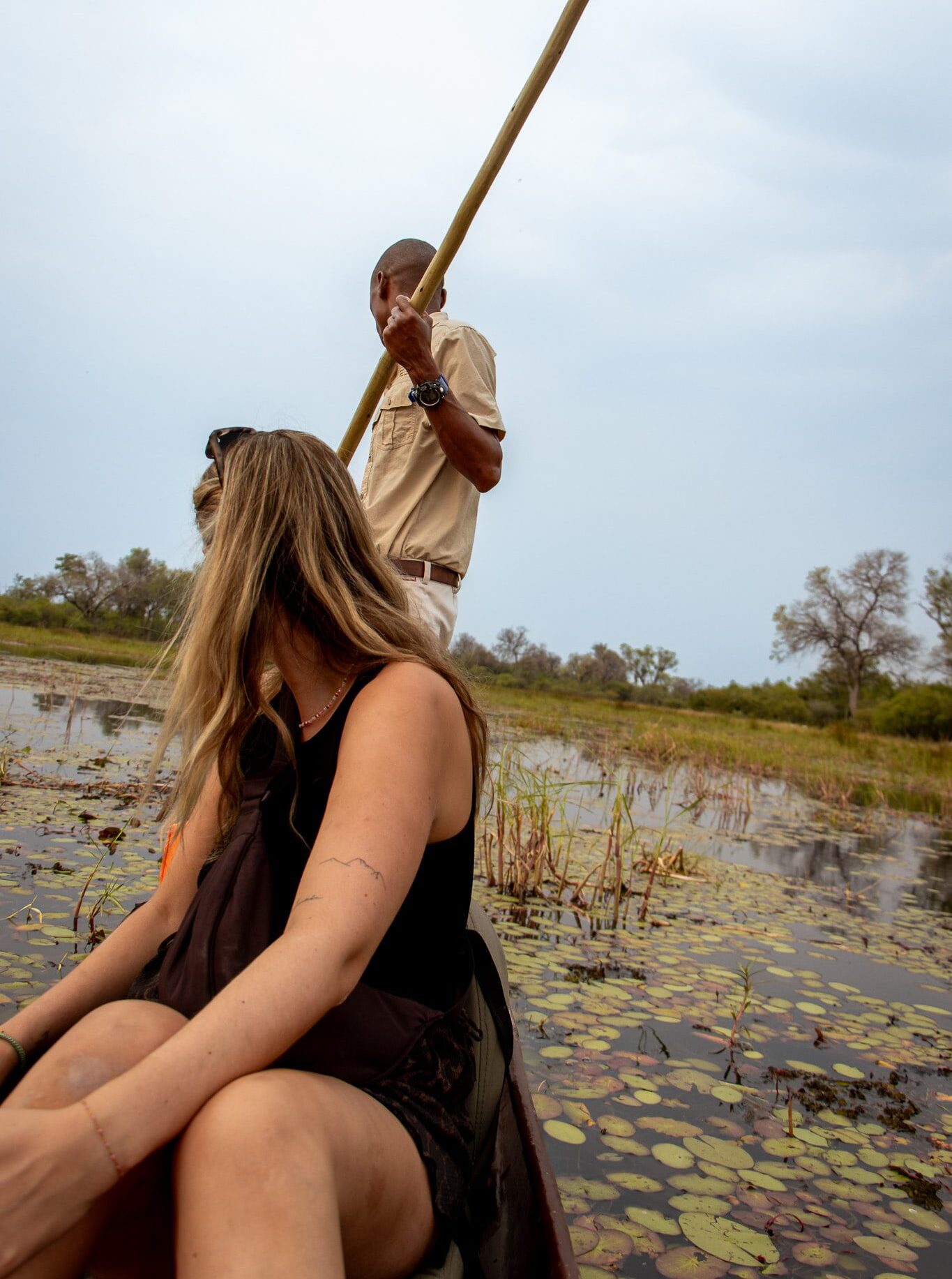
The Okavango Delta is located in the north of Botswana and is one of the largest inland delta areas in the world. Every year, water flows into the delta from Angola, creating an extensive network of channels, islands, and lagoons. This water supports a unique ecosystem where many animals live, such as elephants, hippos, and crocodiles. In the delta, you can experience the wildlife up close during a trip in a mokoro, a traditional canoe propelled by local guides. The delta is a fantastic place for safaris. From Maun, there are also various companies offering flights over the delta, allowing you to see the landscape from a unique perspective.
3. Moremi Game Reserve
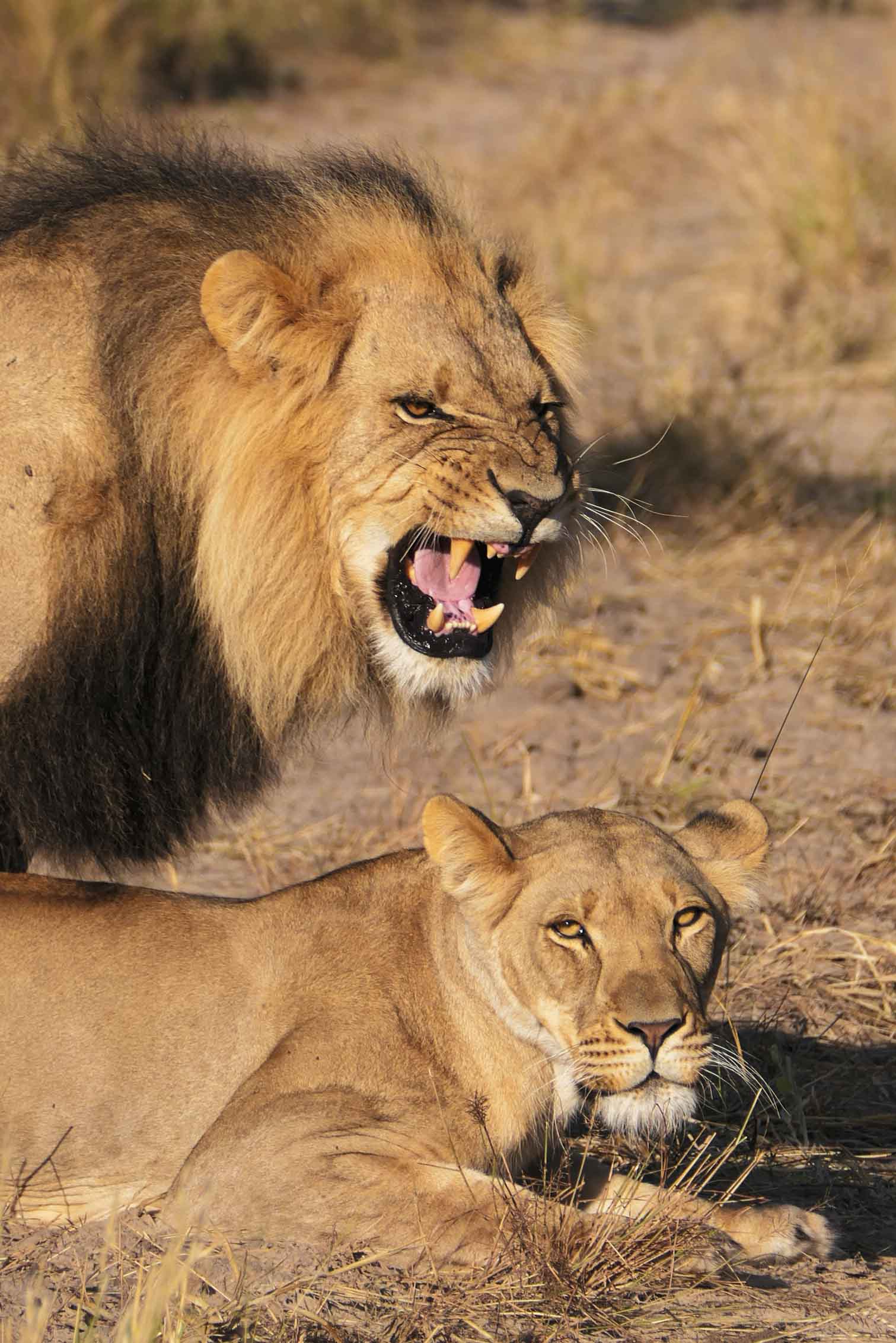
Moremi Game Reserve is the first registered wildlife reserve in Africa established by local residents, the Batawana tribe set it up in 1963. The park covers nearly 5,000 square kilometers in the eastern Okavango Delta. Here, you'll find a mix of dry land, permanent water, and seasonal floodplains. Not only can you spot the Big Five here, but also rare wild dogs, and over 500 bird species that appear in large numbers, especially during the wet season (November-March). Moremi has no fences. Animals move freely between the reserve and surrounding areas.
4. Khwai
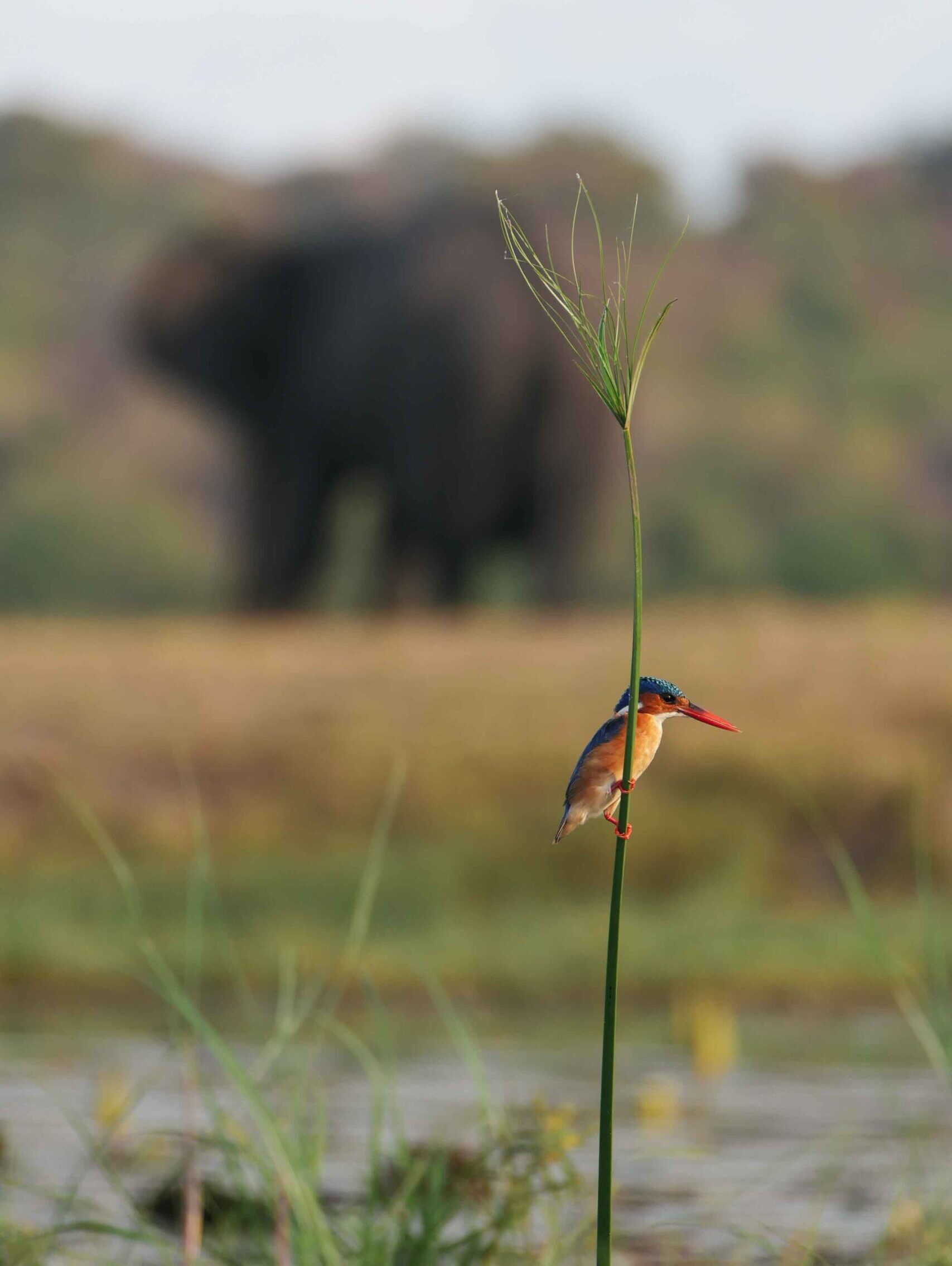
Khwai is located directly north of the Moremi Game Reserve and was established in 1996 when the local community got their land back and decided to embrace wildlife tourism. The area, approximately 1,800 square kilometers, borders Moremi, and since there are no fences, animals move freely between both areas. The Khwai River attracts wildlife year-round, especially during the dry season (May-October) when elephants come to the water in herds of 100+. Wild dogs are regularly active here, and the open plains make it easier to follow their hunting behavior. Birdwatchers can come for the Pel’s fishing owl and other rare species along the riverbanks. Khwai combines an authentic safari experience with community-based tourism, and the relaxed atmosphere without strict park rules makes it a favorite for many.
5. Makgadikgadi Pans
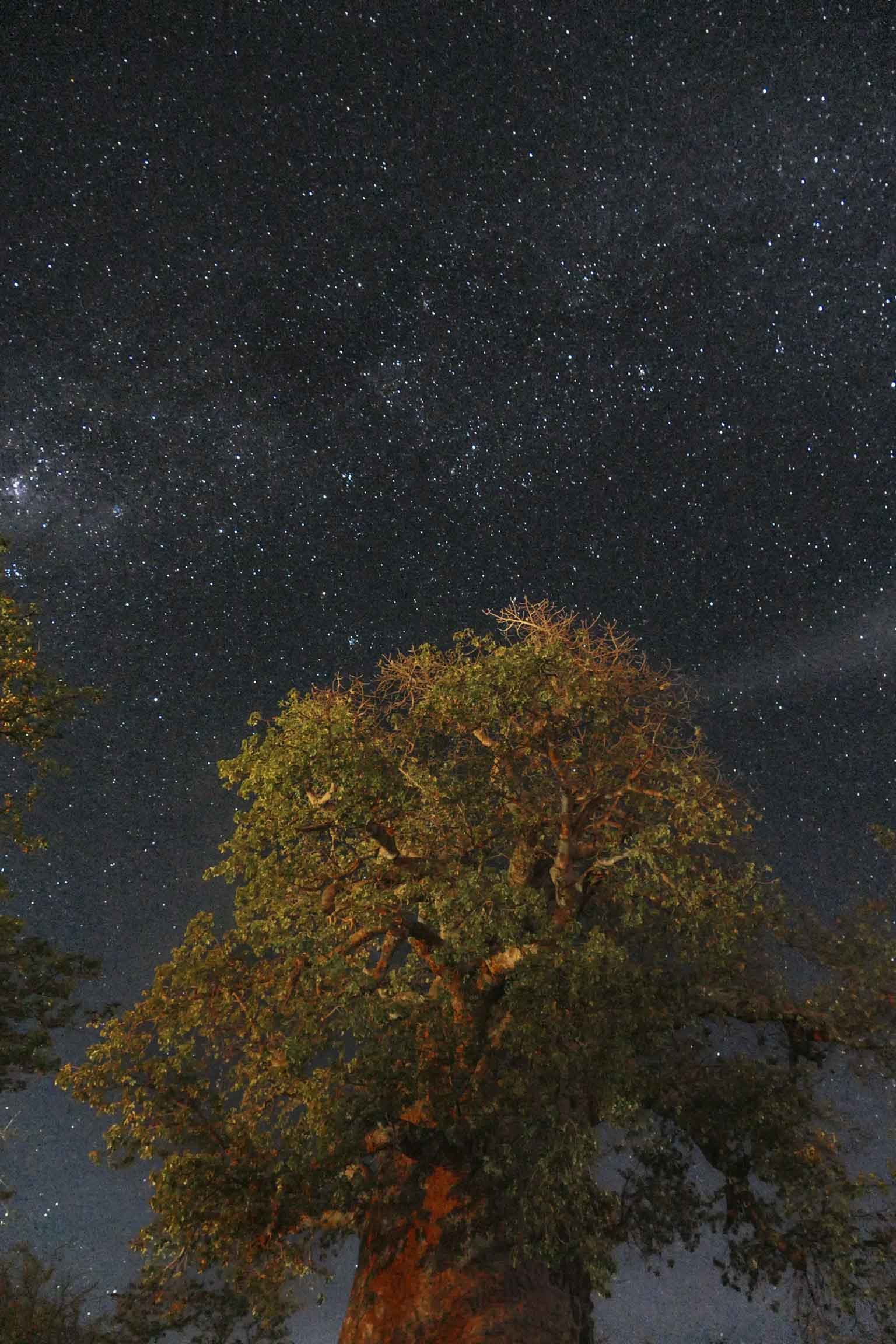
Makgadikgadi Pans is one of the largest salt flats in the world, covering about 12,000 square kilometers of dried salt that remains from a mega-lake that dried up 10,000 years ago. It consists of two main pans: Sowa Pan in the east and Ntwetwe Pan in the west, and the landscape changes completely with the seasons. In the dry season (April-October), you'll see endless white plains, while the rainy season (November-March) triggers one of Africa's largest migrations, with around 25,000 zebras and wildebeests moving from the Okavango to the fresh grass. Thousands of flamingos appear when the pans hold water. Kubu Island is a rocky island in the middle of Sowa Pan, featuring 1,000-year-old baobabs where you can camp, and at night, the starry sky is extremely clear due to the lack of air pollution.

6. Nata Bird Sanctuary
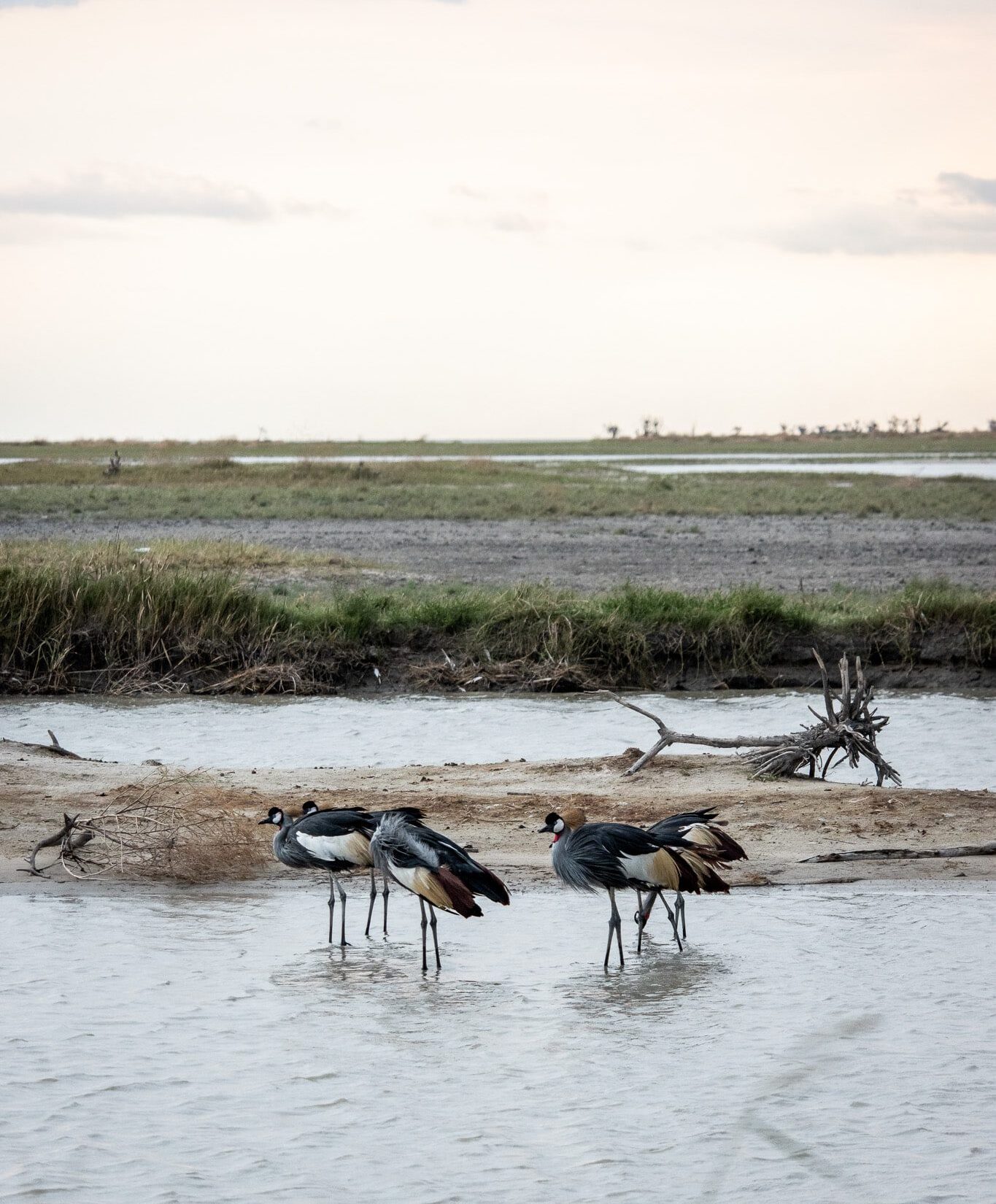
The Nata Bird Sanctuary is located on the northeastern edge of Sowa Pan and covers about 230 square kilometers of wetlands that serve as a breeding ground for thousands of waterbirds. The sanctuary was established in 1993 by the local community of Nata village and is one of the few community-run reserves in Botswana. The best time to visit is during the rainy season (November-April) when water covers the plains and flamingos, pelicans, and other waterbirds appear in large numbers. At peak times, you can see more than 20,000 flamingos at once. The birds come for the brine shrimp that grow in the salty water, which gives the flamingos their pink color. In addition to flamingos, you can spot African spoonbills, avocets, blacksmith plovers, and various types of ducks and geese here. The sanctuary has viewing platforms and a short walking trail that takes you to better viewpoints without disturbing the birds. In the dry season, the area largely dries up and there are many fewer birds, but you can spot hyenas, wildebeests, springbok, gemsbok, and other antelopes coming to the remaining waterholes.

7. Khama Rhino Sanctuary
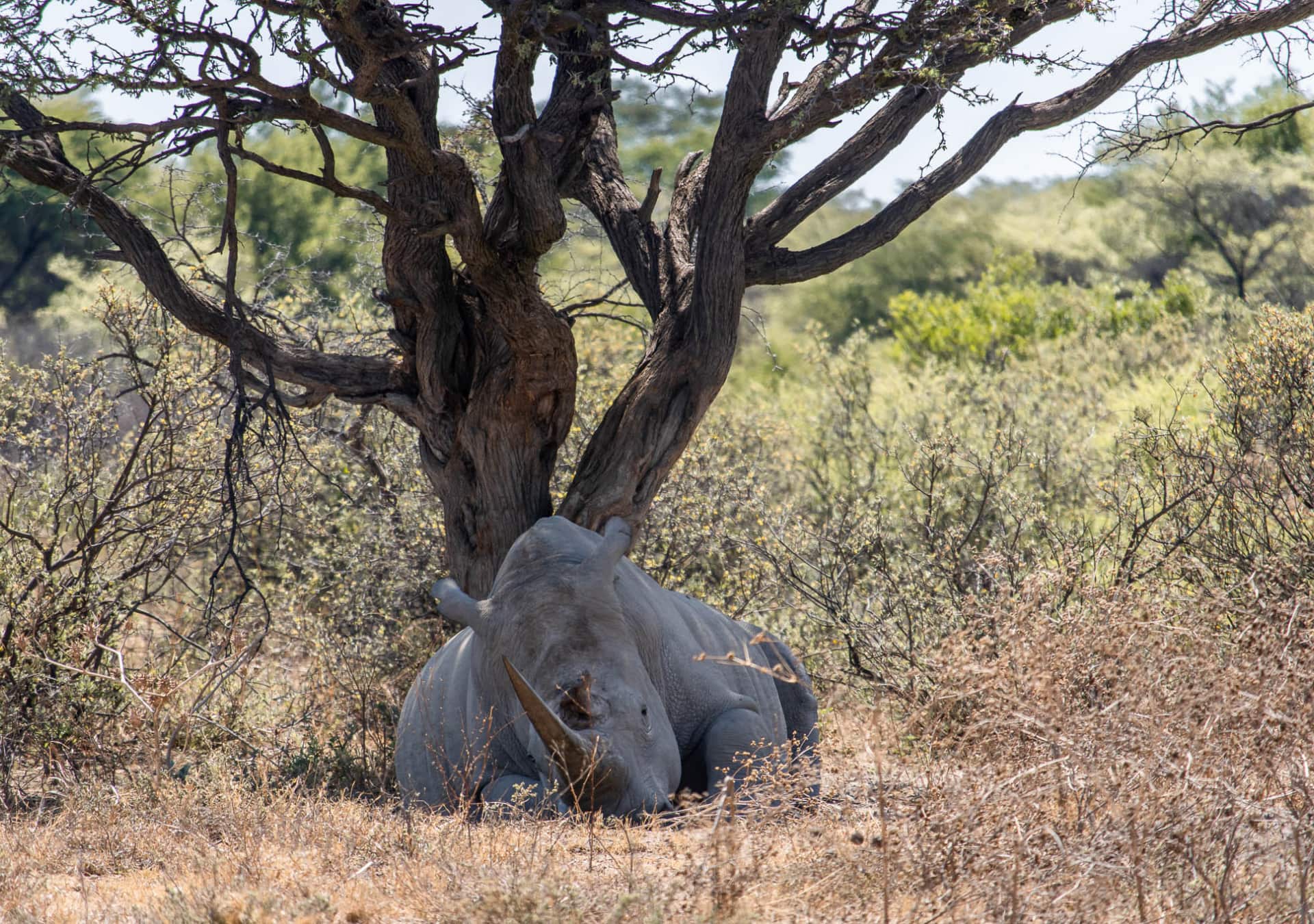
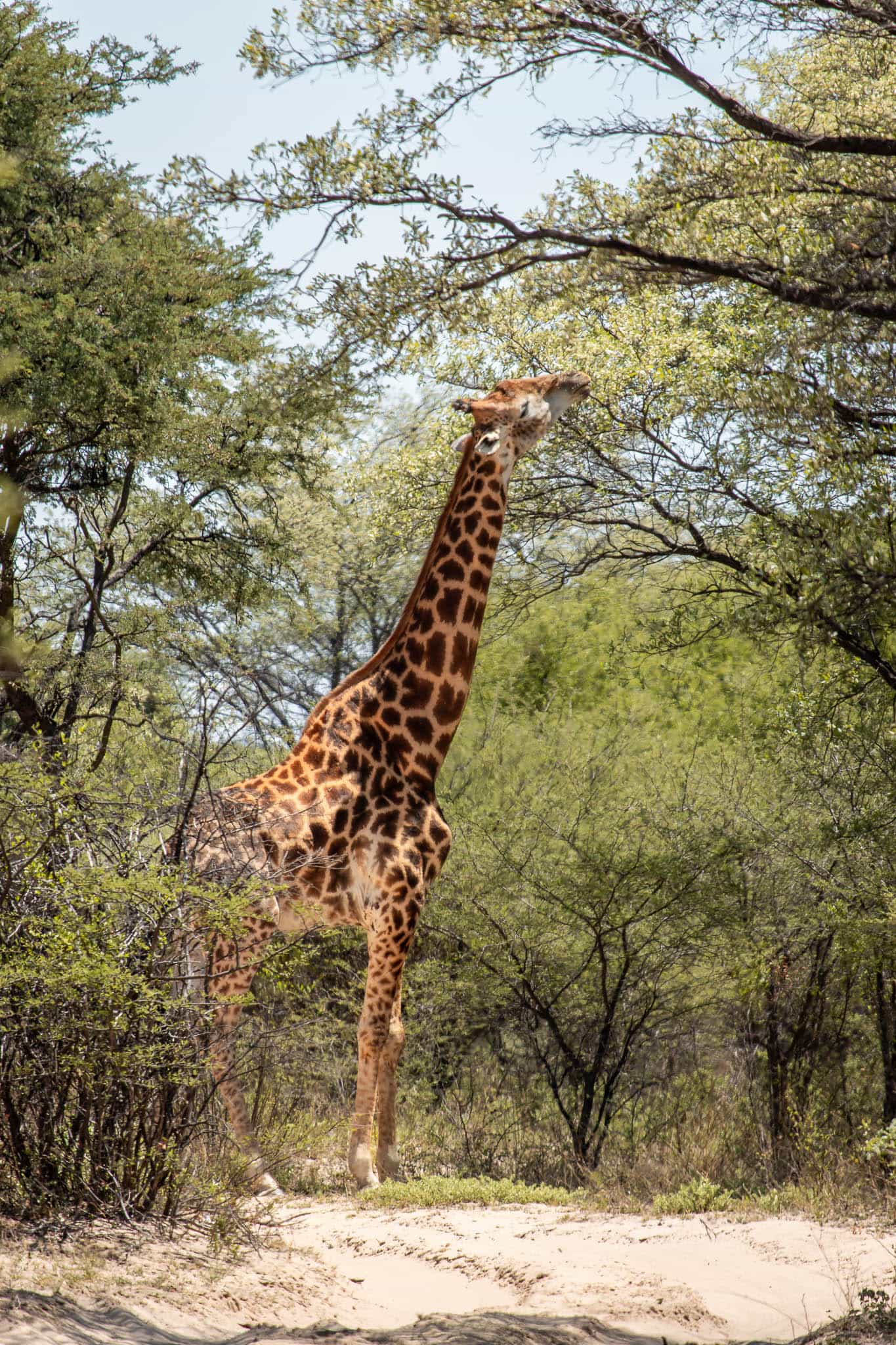
Khama Rhino Sanctuary is located near Serowe in the heart of Botswana and was established in 1992 to protect the endangered white and black rhinos. The reserve covers 8,585 hectares and is one of the few places in Botswana where you're guaranteed to spot rhinos. Besides rhinos, you'll find giraffes, zebras, wildebeests, gemsboks, and various species of antelope, along with over 230 bird species. The sanctuary is relatively compact compared to the larger national parks, which means you can go on a game drive in just a few hours and almost definitely see wildlife. It's run by the local community, and all proceeds go towards conservation and community projects. Wildlife spotting is possible year-round, but during the dry season (May-October), animals are easier to spot around the waterholes. For many travelers, this is their only chance to see rhinos in the wild, making it a valuable part of your Botswana road trip.
8. Victoria Falls
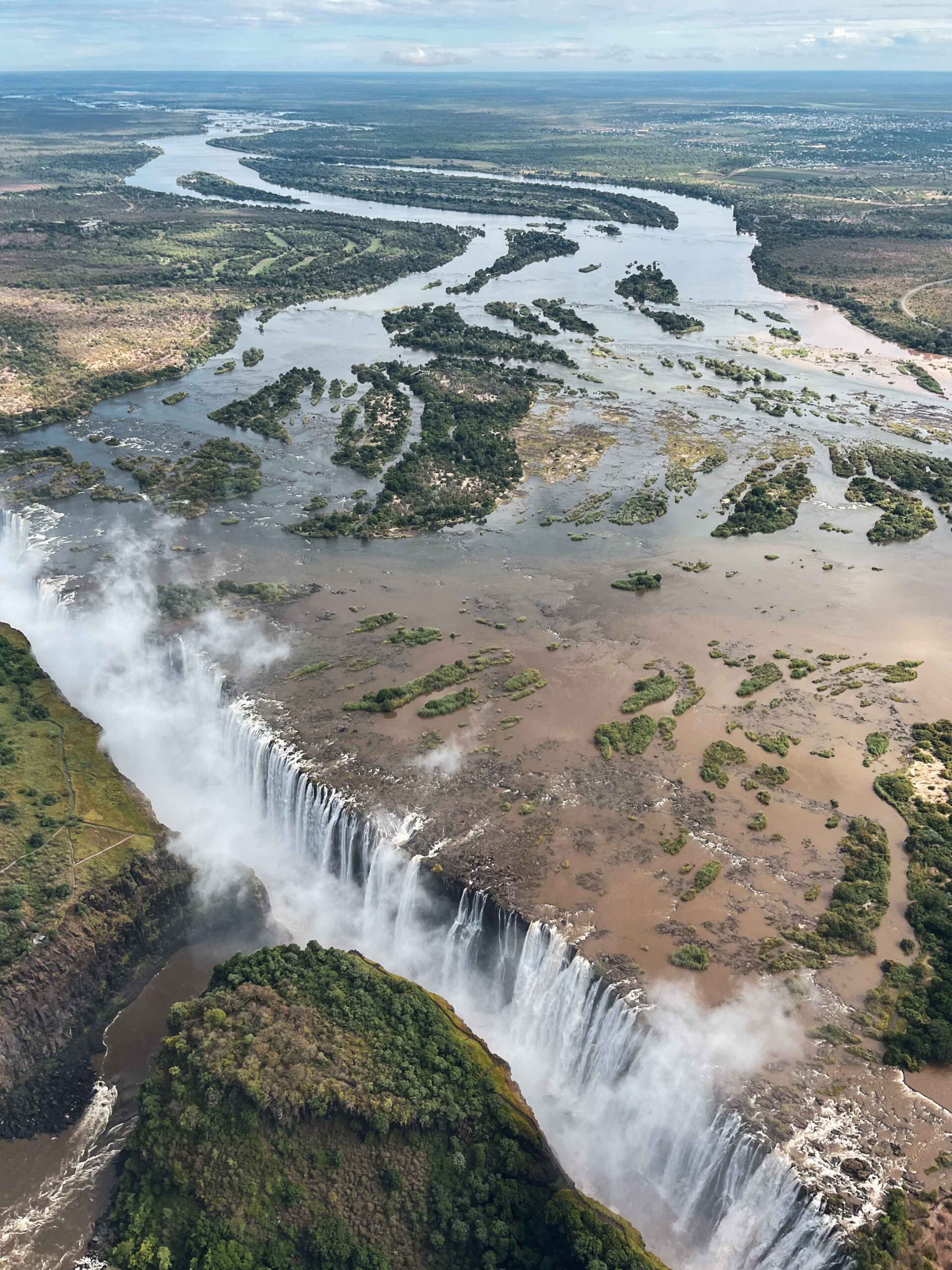
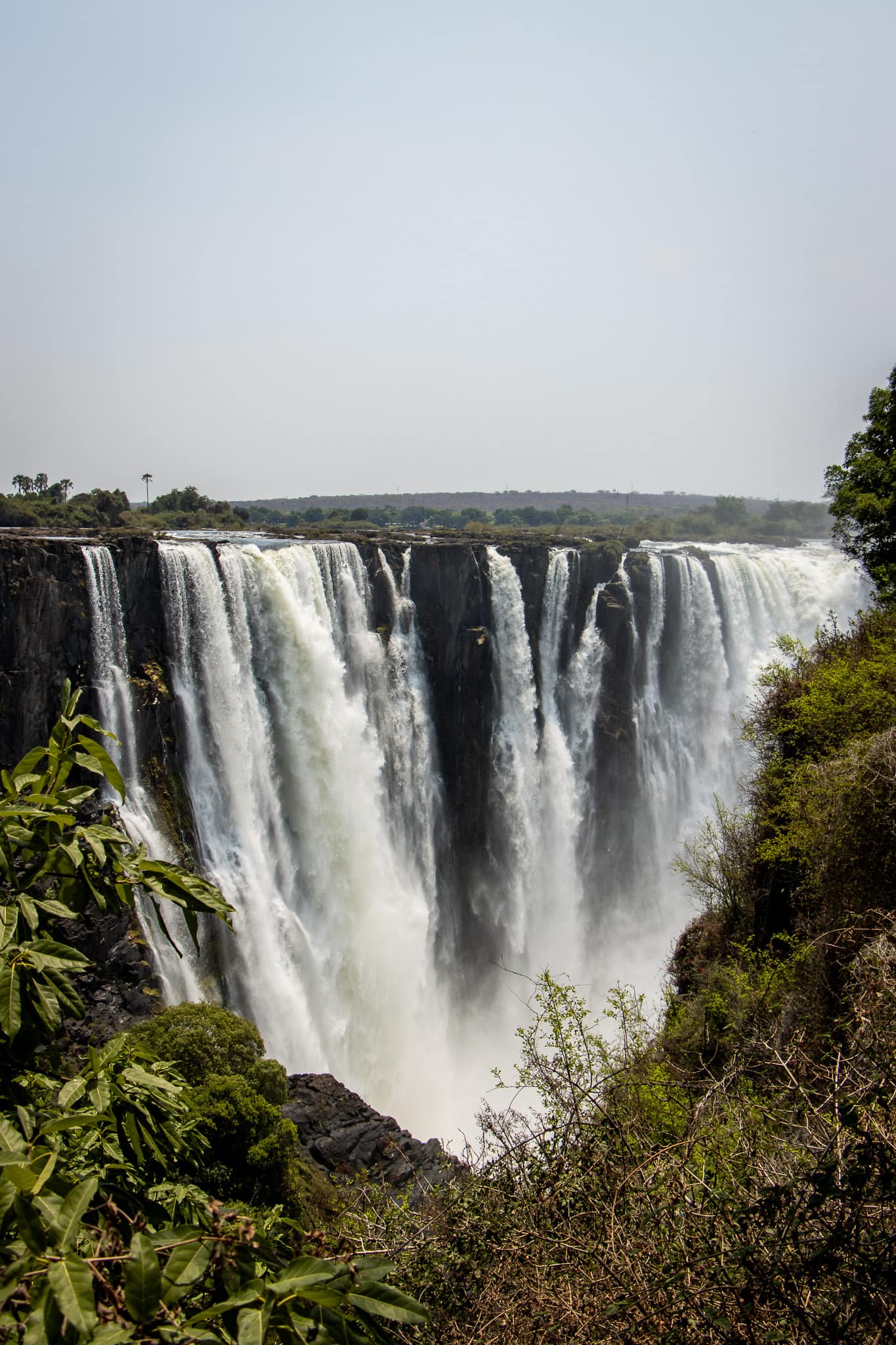
Victoria Falls is located on the border between Zimbabwe and Zambia, about 100 kilometers east of Kasane in Botswana. The waterfalls are spectacular, boasting a width of 1,708 meters and a height of up to 108 meters. The Zambezi River plunges down here, creating a permanent curtain of mist that can reach up to 400 meters high. Locally, it's called Mosi-oa-Tunya, which means "the smoke that thunders." During the high-water season from February to May, the falls are at their most powerful, but the strong mist can limit visibility and you'll get wet quickly. In the low-water season from September to December, the falls are more visible, and it's possible to visit Devil’s Pool, a natural rock pool on the edge of the waterfall on the Zambian side. The Zimbabwean side offers better viewpoints, with 16 different spots spread over a 2-kilometer walking route. It's easily accessible from Botswana. Although it's outside of Botswana, it's an unforgettable stop.
Do you want to experience this yourself, but would rather not handle all the arrangements? Then check out Botswana Nomads. We’ll take care of the planning, provide the best routes and accommodations, and offer optional activities that you’ll enjoy.